- Category
- Latest news
Ukraine Shoots Down Russian Drones From Miles Away as Operators Hunt From Hotel Rooms
 Prefer U24 Media on Google
- Authors


Ukraine has begun deploying interceptor drones operated remotely from hundreds of kilometers away, marking a shift in how air defense systems are structured, according to statements published on March 24.
We bring you stories from the ground. Your support keeps our team in the field.
According to former Minister of Strategic Industries Oleksandr Kamyshin on March 24, Ukrainian operators successfully conducted what he described as the first confirmed remote interception of a Russian Shahed drone during one of the largest air attacks on Ukraine.
This morning, I personally witnessed pilots from Litavr remotely operating an interceptor drone. A confirmed Shahed kill followed. First remote interception! All this during one of the most massive air attacks on Ukraine. This changes how air defence is built. pic.twitter.com/0ewkgC5imd
— Alexander Kamyshin (@AKamyshin) March 24, 2026
“This morning, I personally witnessed pilots from Litavr remotely operating an interceptor drone. A confirmed Shahed kill followed. First remote interception! All this during one of the most massive air attacks on Ukraine. This changes how air defence is built,” Kamyshin wrote on X.
The interception was carried out using a Litavr interceptor drone, controlled from a remote command location rather than near the launch site.
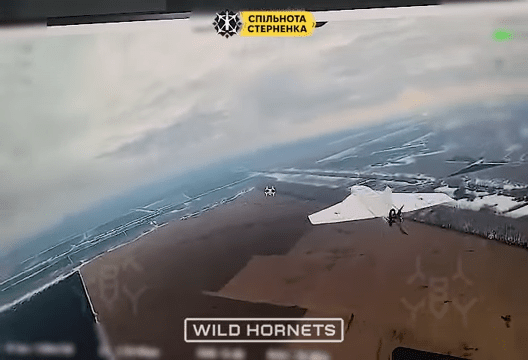
At the same time, Ukrainian developer Wild Hornets reported the combat use of its own remote-control system, HORNET VISION Ctrl, integrated into its Sting interceptor drones. According to the company, operators can control drones from distances of up to several hundred kilometers, including from protected indoor locations.
Remote STING Anti-Shahed Interceptor: Wild Hornets developed remote control for STING interceptor drones.
— Wild Hornets (@wilendhornets) March 24, 2026
HORNET VISION Ctrl is part of the unique HORNET VISION drone control ecosystem. The system allows operators to remotely control interceptor drones from hundreds of… pic.twitter.com/jT8jckmYN6
Footage released by the developers shows an operator controlling a Sting interceptor from a hotel while engaging aerial targets. The system is part of a broader control ecosystem designed to enable distributed drone operations.
According to Wild Hornets, the technology allows experienced crews to expand their operational coverage significantly—from approximately 20 kilometers to up to 100 kilometers per unit. The approach also reduces risks to personnel, who no longer need to remain near launch sites that may be targeted by Russian strikes or affected by accidental detonations.
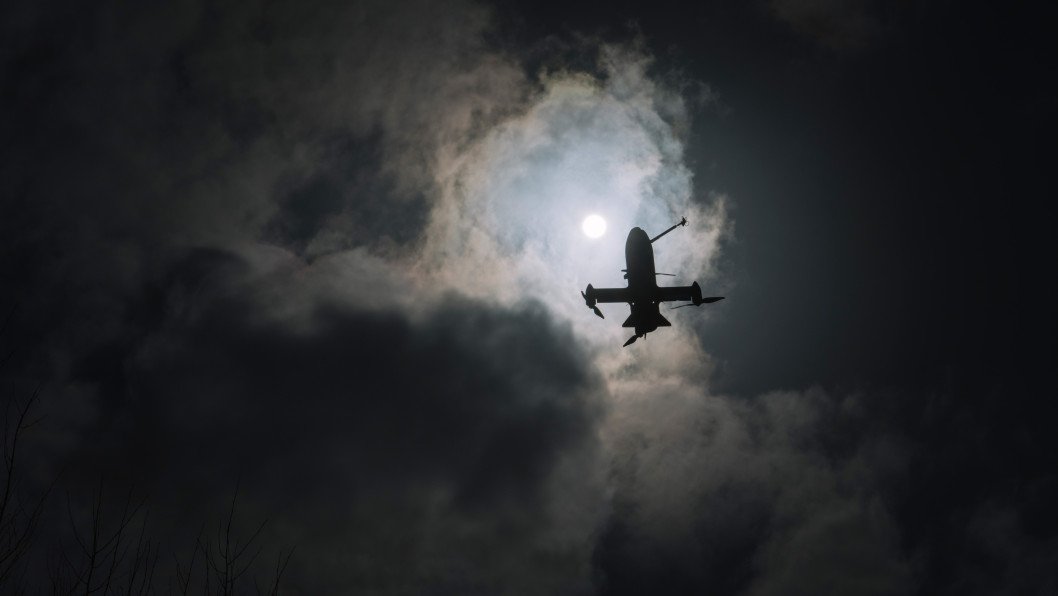
Despite the remote control capability, interceptor systems still require ground teams to assemble, position, and prepare drones for launch. However, Ukrainian developers are working toward further automation.
Earlier, according to Wild Hornets on March 23, Ukrainian drone operators shot down a rare Russian Skat reconnaissance UAV valued at approximately $400,000. The drone, reportedly used to provide targeting data for systems such as Iskander ballistic missiles, was intercepted by the STRIX unit.
Discuss this article:
-9a7b3a98ed5c506e0b77a6663f5727c5.png)

-c439b7bd9030ecf9d5a4287dc361ba31.jpg "Photo of Katherina Popilnichenko")