- Category
- Defense Tech
Norway Keeps Sending Ukraine the System That Downed 11 Russian Missiles in Two Minutes—How Good Is NASAMS?
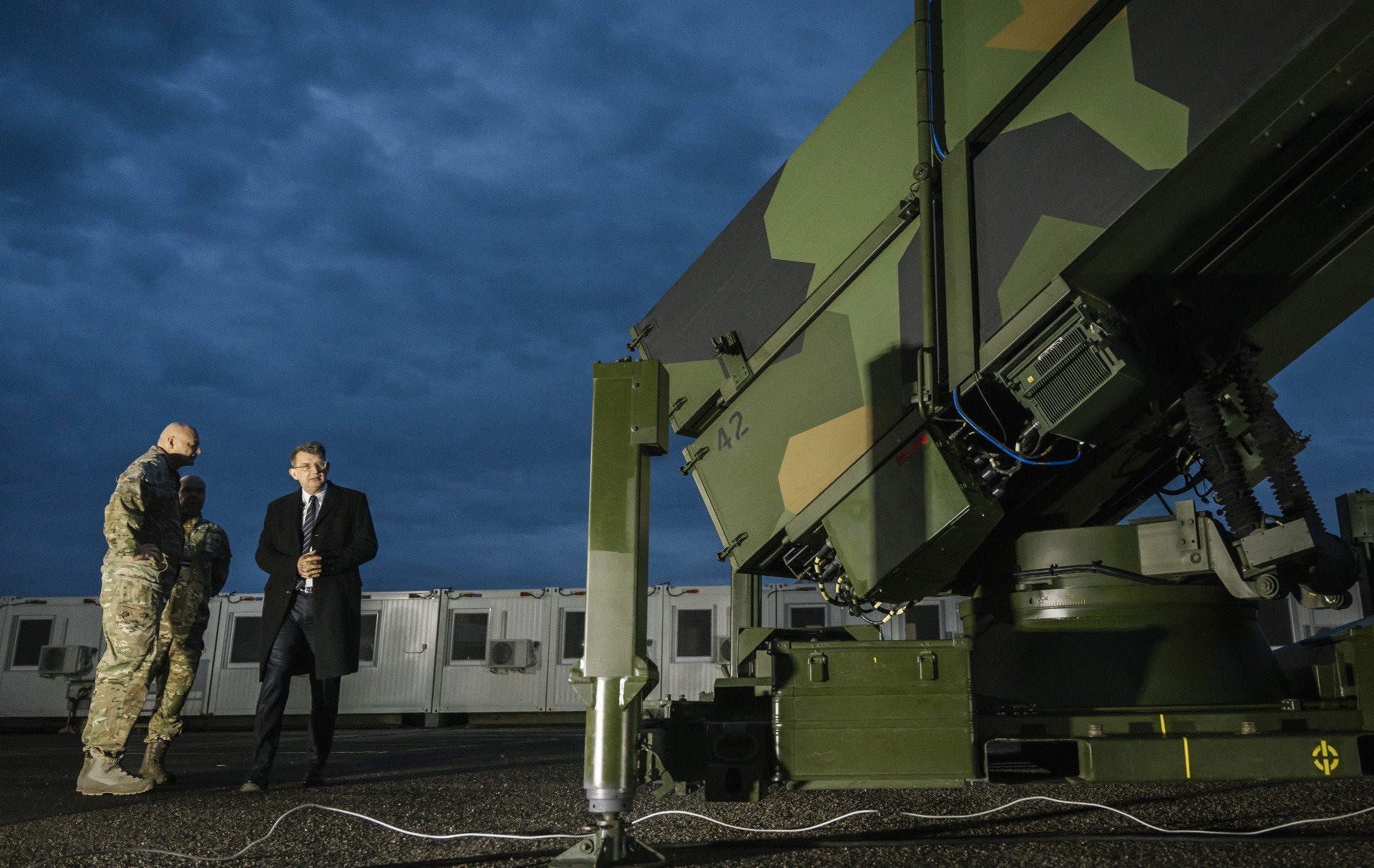
Every night, Russia launches new waves of missiles and drones at Ukrainian cities and critical infrastructure. To stop them, Ukraine relies on a shrinking number of air defense systems, and one of the most effective is NASAMS, the Norwegian-American weapon that has become a cornerstone of the country’s air shield.
 Prefer U24 Media on Google
- Authors

-29a1a43aba23f9bb779a1ac8b98d2121.jpeg "Photo of Illia Kabachynskyi")
In early February 2026, Ukrainian President Volodymyr Zelenskyy announced that Norway, one of Ukraine’s largest partners, would continue delivering NASAMS air defense systems.
“Norwegian NASAMS systems helped us a lot,” he said. “I will not share the exact number of NASAMS we have, but it is more than ten, and we are still getting them. We have also received missiles for NASAMS made by Norway.”
For Ukraine, this weapon system is critically important because, when supplied with the necessary missiles, it can intercept cruise missiles and other aerial targets, including aircraft, helicopters, and drones.
We bring you stories from the ground. Your support keeps our team in the field.
“If it could also engage ballistic targets, it would be the best air defense system available,” said Ukraine’s Lieutenant Colonel Kyrylo Peretyatko.
The Ukrainian Air Force knows exactly what it is talking about. In one case, a Ukrainian NASAMS battery destroyed 11 cruise missiles in just two minutes during a large-scale attack.
What is NASAMS?
NASAMS stands for Norwegian Advanced Surface-to-Air Missile System. It is a Norwegian-American medium-range air defense system jointly developed by Kongsberg Defense & Aerospace and Raytheon.
Like the Patriot system, NASAMS has been around for decades. Development began in the late 1980s, and the system entered service in 1998. Despite being nearly 30 years old, it has undergone numerous upgrades and remains one of the most relevant and capable air defense systems in service today.
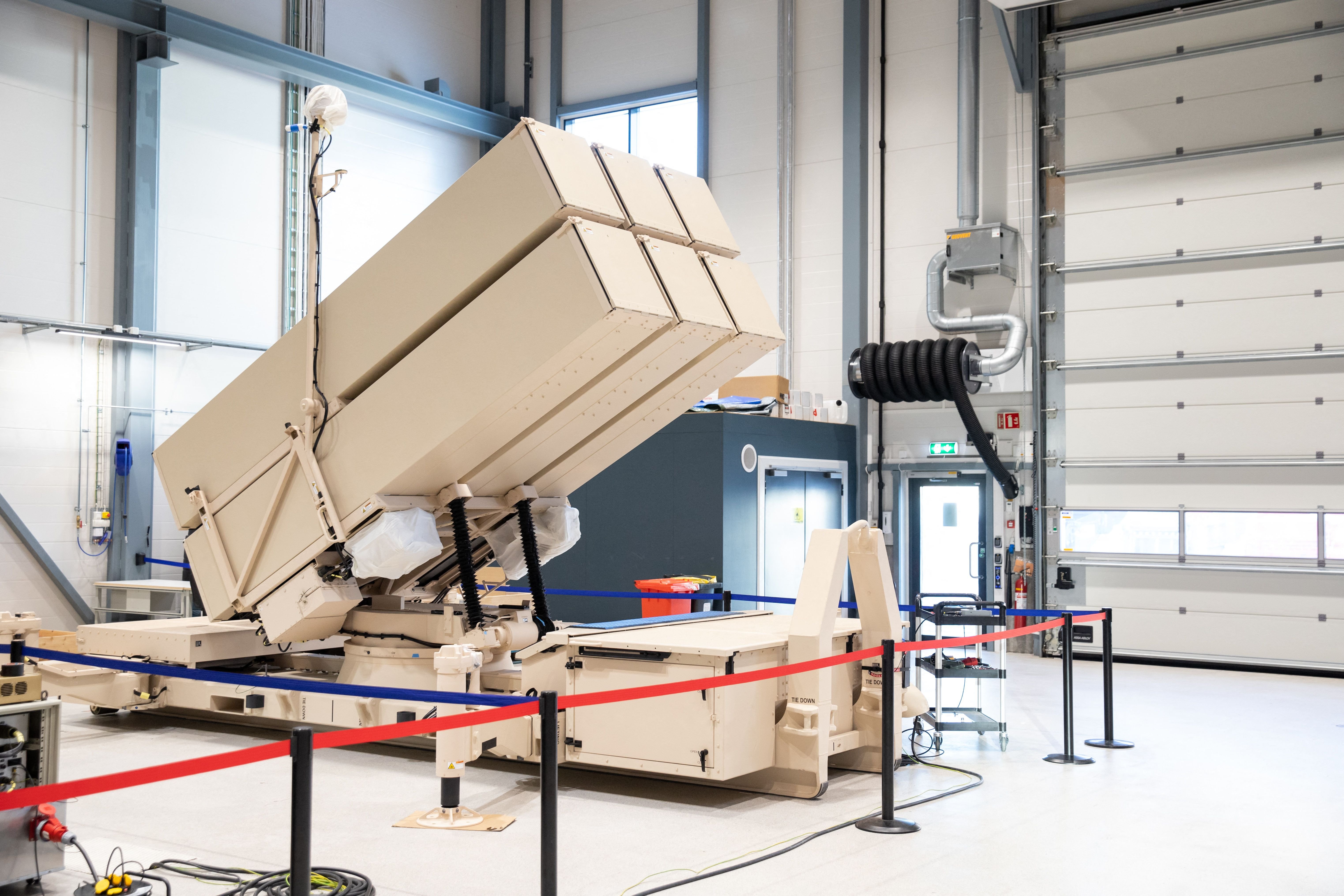
The ability to set the aforementioned record of 11 missiles intercepted in 2 minutes is enabled by the system’s performance characteristics, particularly its reaction time of up to 10 seconds.
The system is also capable of:
Engaging targets at ranges from 2.5 km to 40 km.
Intercepting targets at altitudes from 30 meters to 16 km.
Given these capabilities, NASAMS is ideally suited to counter a broad spectrum of threats, from cruise missiles and drones to aircraft and helicopters. In Ukraine, the system is primarily used to shoot down cruise missiles.
NASAMS’ combat performance in Ukraine
The first NASAMS systems arrived in Ukraine in the fall of 2022. Norway was among the first countries willing to help Kyiv begin building a layered air defense network at a time when Russia had started deploying Iranian-made Shahed drones.
During its first weeks of operation, the system demonstrated remarkable effectiveness, intercepting virtually every target it engaged. Overall, NASAMS has maintained an exceptionally high success rate. In 2025, officials reported an interception rate of 94%.
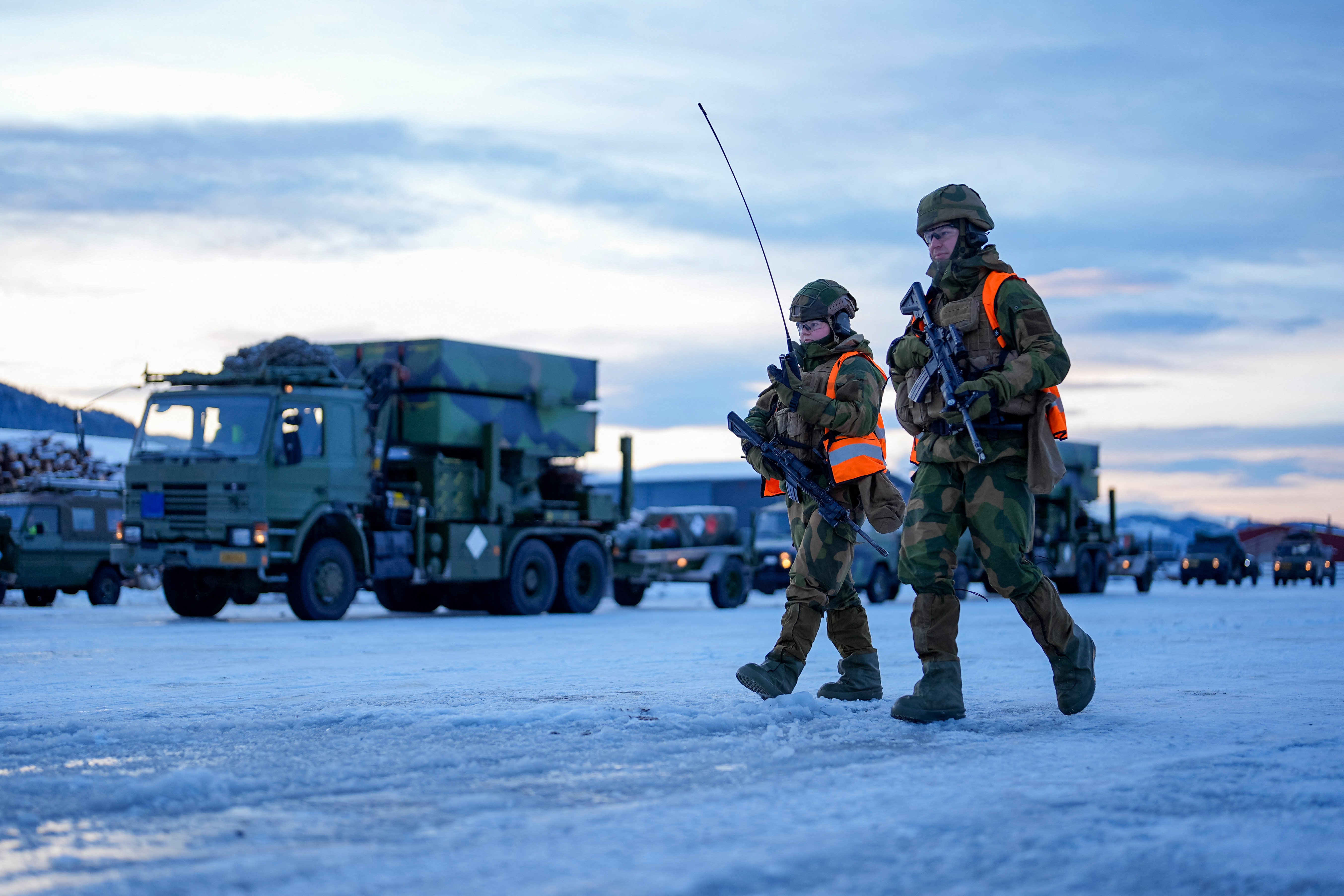
For security reasons, Ukraine does not release detailed operational statistics, but officials have stated that NASAMS has become a vital element in protecting civilian and critical infrastructure and destroyed more than 900 aerial targets by 2025.
Several types of missiles are used by the system:
AIM-9X Sidewinder
AIM-120 AMRAAM
AMRAAM-ER
The specific missiles used by Ukraine depend on the supplies provided by partner countries.
Another major advantage of NASAMS is its rapid deployment capability. In Ukraine, this is also essential for protecting the launchers themselves. The systems can be moved quickly, making it difficult for Russian forces to identify their locations and subsequently target them.
Norway’s role in building Ukraine’s air defense shield
Norway was one of the first countries to provide Ukraine with a modern air defense system, and the results were immediate. At that point, Russian aviation had already begun operating less confidently near Ukrainian frontline cities, knowing that an AIM-120 missile launched from a nearby NASAMS battery could appear at any moment.
In the years that followed, the system continued to defend against Russian cruise missiles and drones, becoming one of the primary tools for protecting Ukrainian cities, civilian facilities, and critical infrastructure.
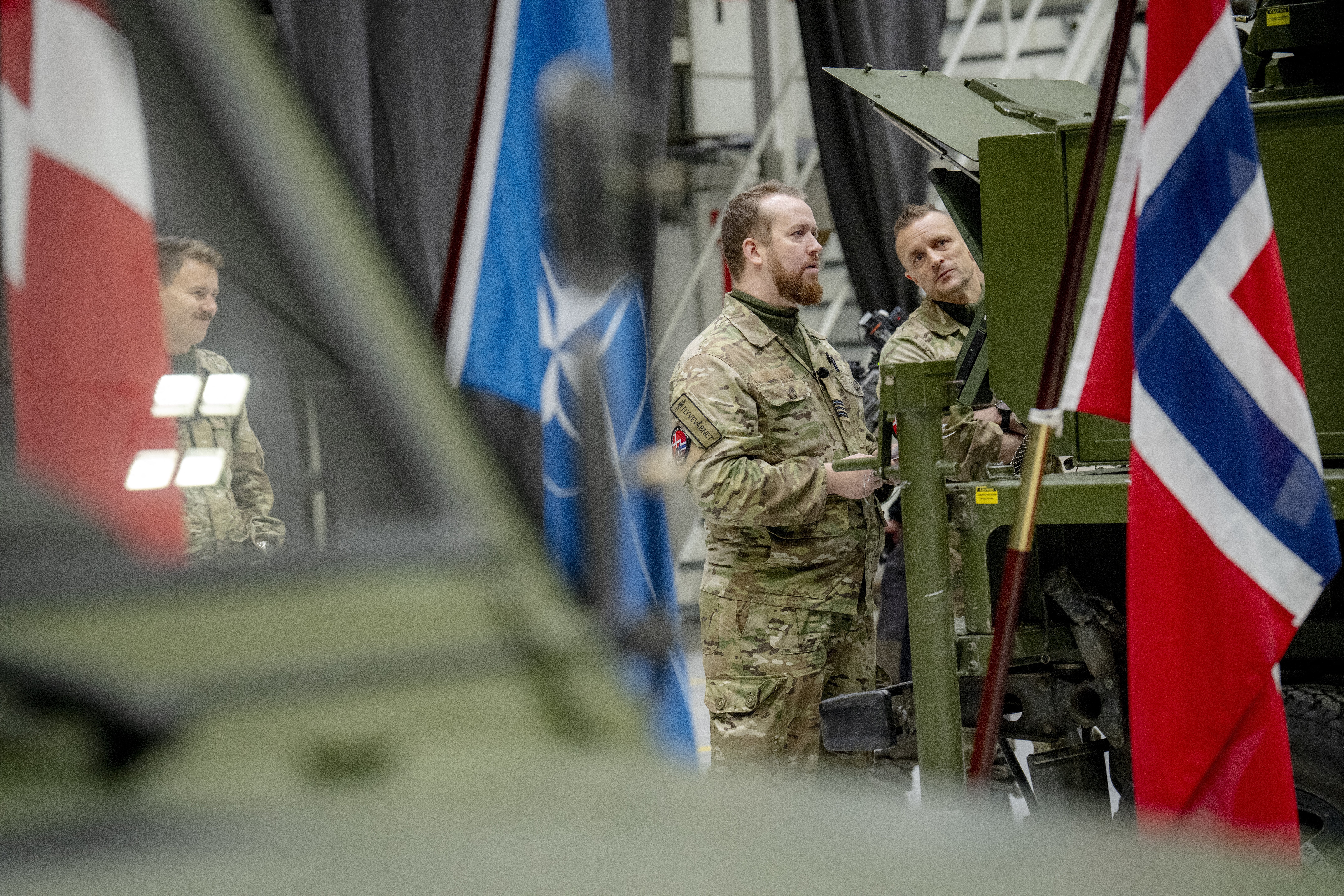
Ukraine needs systems like NASAMS because they are an essential component of a comprehensive air defense network and can counter some of Russia’s most serious aerial threats.
The main challenge, however, remains the supply of missiles required to engage those threats. As a result, Ukraine continues to rely on support from partner nations, especially following the large-scale attacks Russia has carried out in recent months.
Norway, as one of Ukraine’s key partners, continues to support the defense of Ukrainian airspace and, together with its allies, continues delivering NASAMS systems to Ukraine.
Discuss this article:
-4a56a6b482ec132402c16ef6fcabf9a2.png)

-c439b7bd9030ecf9d5a4287dc361ba31.jpg "Photo of Katherina Popilnichenko")