- Category
- Defense Tech
Ukraine Proved Raven Works—Now MBDA Is Giving It Cheaper Fulgur Missile “Teeth”
 Prefer U24 Media on Google
- Authors


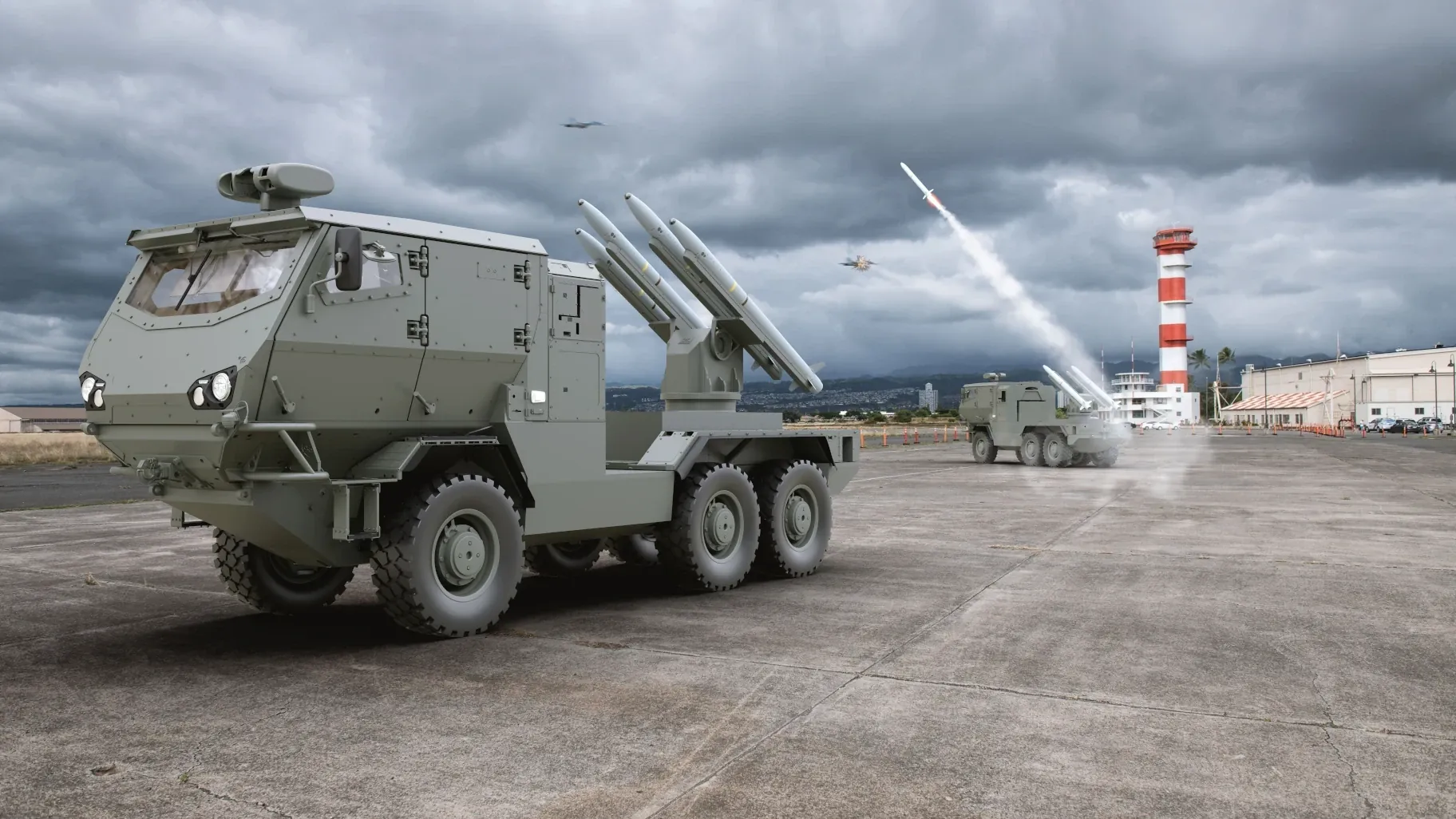
British defense company MBDA UK has integrated compact Fulgur missiles into the Raven 5 air defense system, potentially giving the Ukraine-tested platform a cheaper option for intercepting drones and other short-range aerial threats.
The company displayed Raven 5 carrying two Fulgur missiles at the 2026 Farnborough International Airshow, MBDA reported on July 20.
We bring you stories from the ground. Your support keeps our team in the field.
The integration reflects the growing demand for more affordable interceptors as drones take on an increasingly important role on the battlefield. Using smaller missiles against inexpensive UAVs could help preserve larger and more capable interceptors for aircraft, cruise missiles, and other demanding targets.
Fulgur is being developed by MBDA Italia to replace the US-made Stinger systems that have served with the Italian Army for decades.
Proven in operation and continuously evolving, Surface Launched #ASRAAM is a rapidly deployable SHORAD capability for multi-domain operations 🚀
— MBDA (@MBDAGroup) July 20, 2026
🎥 Luke explains at @FIAFarnborough how #MBDA enhances this platform-agnostic solution to meet evolving customer needs.#FIA2026 pic.twitter.com/O419nh1i0S
The missile has a diameter of 70 millimeters, weighs roughly 22 pounds, and has a stated effective range of about 3.1 miles. Serial production is expected to begin this year, with the Italian Army set to become its first customer under a contract signed in June 2025.
Raven 5 is a British-developed evolution of the original Raven air defense system already used in Ukraine.
The upgraded model increases the number of ready-to-launch missiles from two to four and introduces a rotating launcher. It can also carry cheaper missiles originally designed for man-portable air defense systems.
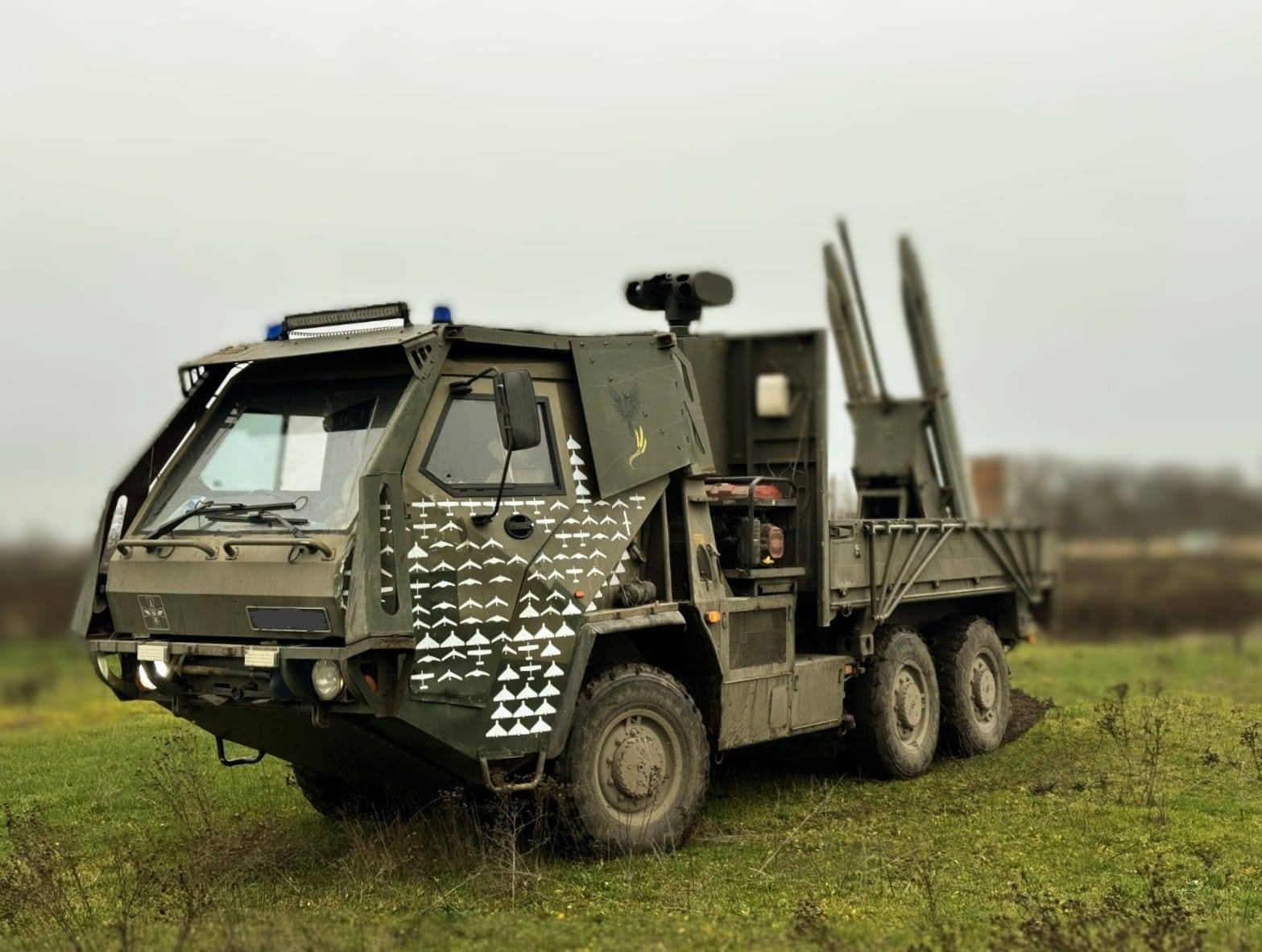
The first public demonstration of the improved Raven configuration took place in April 2026.
Ukraine has reportedly given the original Raven positive battlefield reviews. As of June 2025, its MBDA-made ASRAAM interceptors had achieved a reported effectiveness rate of about 70% across 400 launches.
Reports published in late 2025 said Raven systems in Ukrainian service had destroyed 24 Russian drones and four missiles, including several Kh-59s and one Kh-101 cruise missile.
The original system was developed in just four months after Britain’s Royal Air Force Air and Space Warfare Center proposed mounting available ASRAAM air-to-air missiles on the highly mobile Supacat HMT-600 platform.
🇺🇦First footage shows British “Raven” air defense system intercepting Russian missiles in Ukraine
— InfoFlash (@InfoFlash27) November 9, 2025
The first video has emerged showing Kh-59 and Kh-101 cruise missiles being intercepted by the British-made Raven air defense system, operated by the Ukrainian Armed Forces.… pic.twitter.com/m5vL9nqdVf
ASRAAM weighs about 194 pounds and can reach speeds of up to Mach 3. When launched from the ground, its estimated effective range is around 9.3 miles, compared with more than 15.5 miles when fired from an aircraft.
Its 22-pound warhead is designed to destroy a wide variety of aerial targets, ranging from drones to combat aircraft.
Raven uses the Hawkeye electro-optical detection and targeting system produced by Chess Dynamics. Because it relies on passive sensors rather than constantly emitting radar signals, the system can search for targets, guide missiles, and launch attacks without immediately alerting enemy radar-warning receivers.
Previously, the commander of the Ukrainian-operated Raven air defense system, supplied by the United Kingdom, described how his Raven successfully shot down four Russian reconnaissance drones during its first combat mission.
“During our first combat shift, we neutralized four reconnaissance UAVs—Orlan and Zala types—in just eight hours,” said Oleksandr, commander of the Ukrainian SAM (surface-to-air missile) platoon operating the system.
Discuss this article:
-9a7b3a98ed5c506e0b77a6663f5727c5.png)



-111f0e5095e02c02446ffed57bfb0ab1.jpeg "Photo of Roman Kohanets")