- Category
- Defense Tech
What Can Ukraine’s Battlefield AI Do? Detect Russian Hardware in 2.2 Seconds, for Starters
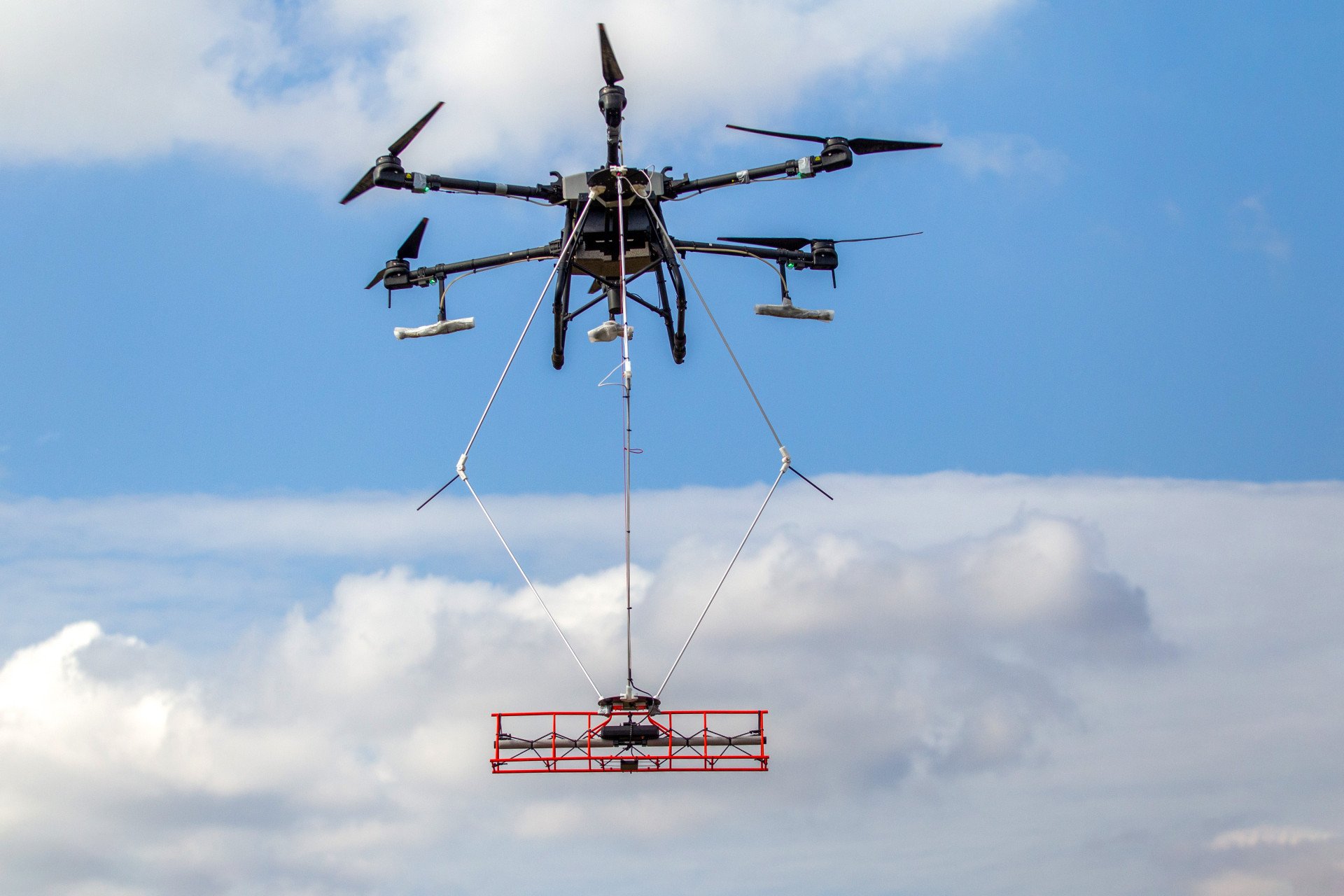
In Ukraine, a technology can go from an idea to real-world testing within weeks, receive feedback, and evolve. The full-scale war has turned Ukraine into a unique testing ground for autonomous systems and a laboratory for technologies that could reshape the global market as soon as tomorrow.
 Prefer U24 Media on Google
- Authors


Ukraine’s unmanned systems along the front alone generate more than
50,000 video streams every month, while new data is added daily to train models, Ukraine’s Defense Ministry reported.
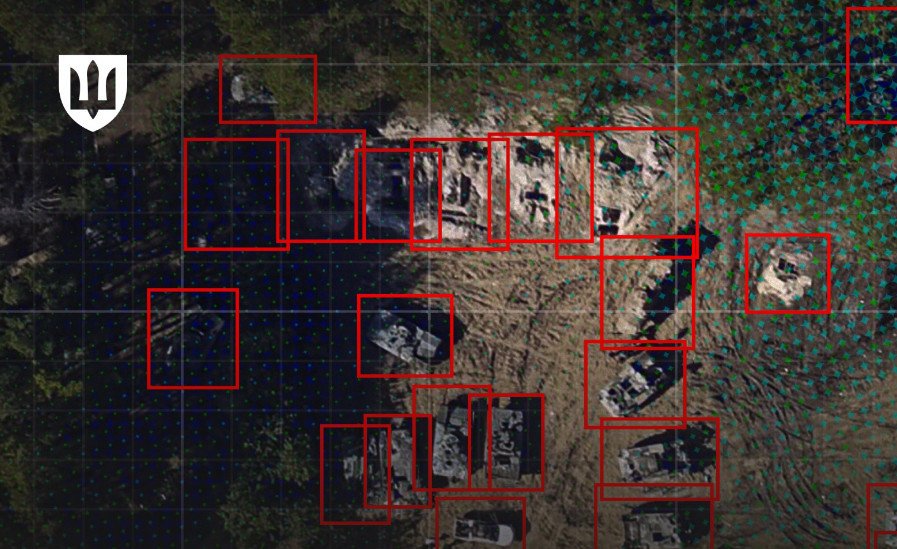
One example is Avengers, a Ukrainian AI-powered computer vision platform integrated with the DELTA digital system . The system could identify about 70% of enemy equipment in video streams and detect an individual object in 2.2 seconds, the Ministry reported in 2025.
Ukraine is now trying to institutionalize this cycle. In 2026, the Ministry of Defense launched Brave1 Dataroom, a secure environment for training and testing military AI models on data that closely reflects real-world conditions. This ability to rapidly turn real-world experience into the next iteration of a technology could become Ukraine’s key technological advantage—and its most valuable lesson for the global industry.
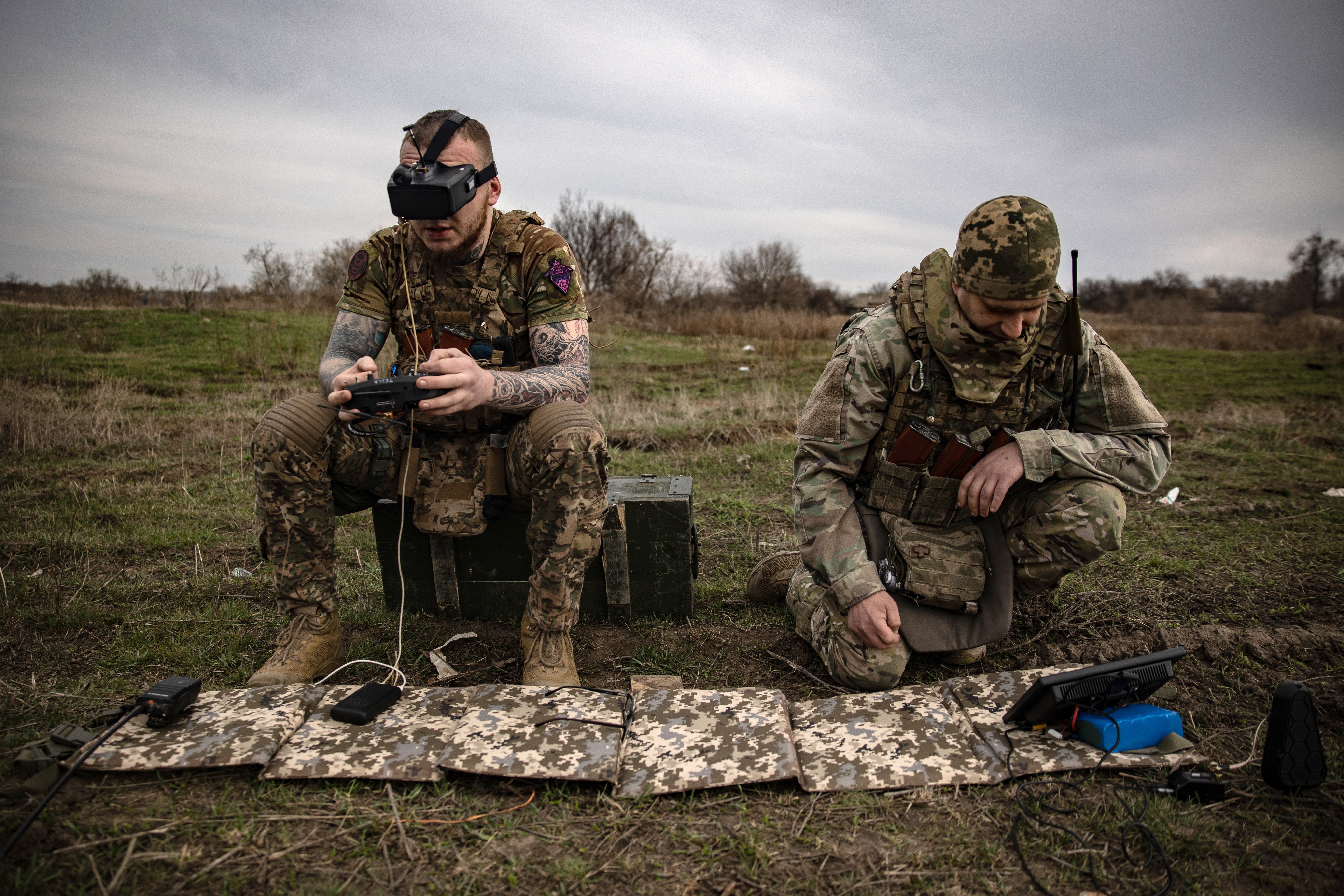
How Ukraine has become a testing ground for defense tech
Ukraine’s technological breakthrough is not merely the result of wartime improvisation. Above all, it stems from an exceptionally short cycle from development to testing and refinement.
Unlike in the traditional defense model, Ukrainian teams can quickly receive feedback directly from service members and adapt technologies to real-world needs. To facilitate this process, the Ministry of Defense created the Iron Range (sometimes dubbed “Iron Polygon”) testing ground, where manufacturers can test new developments alongside military experts. In its first year alone, the facility processed nearly 750 applications and conducted more than 550 tests.
The second reason is the environment in which these technologies operate. Russia’s full-scale war in Ukraine has become a continuous race to adapt: as soon as one side finds a new technological solution, the other looks for a way to circumvent or neutralize it. The Royal United Services Institute describes this as a constant cycle of adaptation and counter-adaptation, forcing developers to continuously update software, algorithms, and machine-learning models.
Yet this pace would have been impossible without the foundation laid before 2022. At the time, Ukraine’s IT sector employed around 300,000 professionals and included more than 2,000 technology companies, creating a strong ecosystem of engineers, AI specialists, product managers, and entrepreneurs.
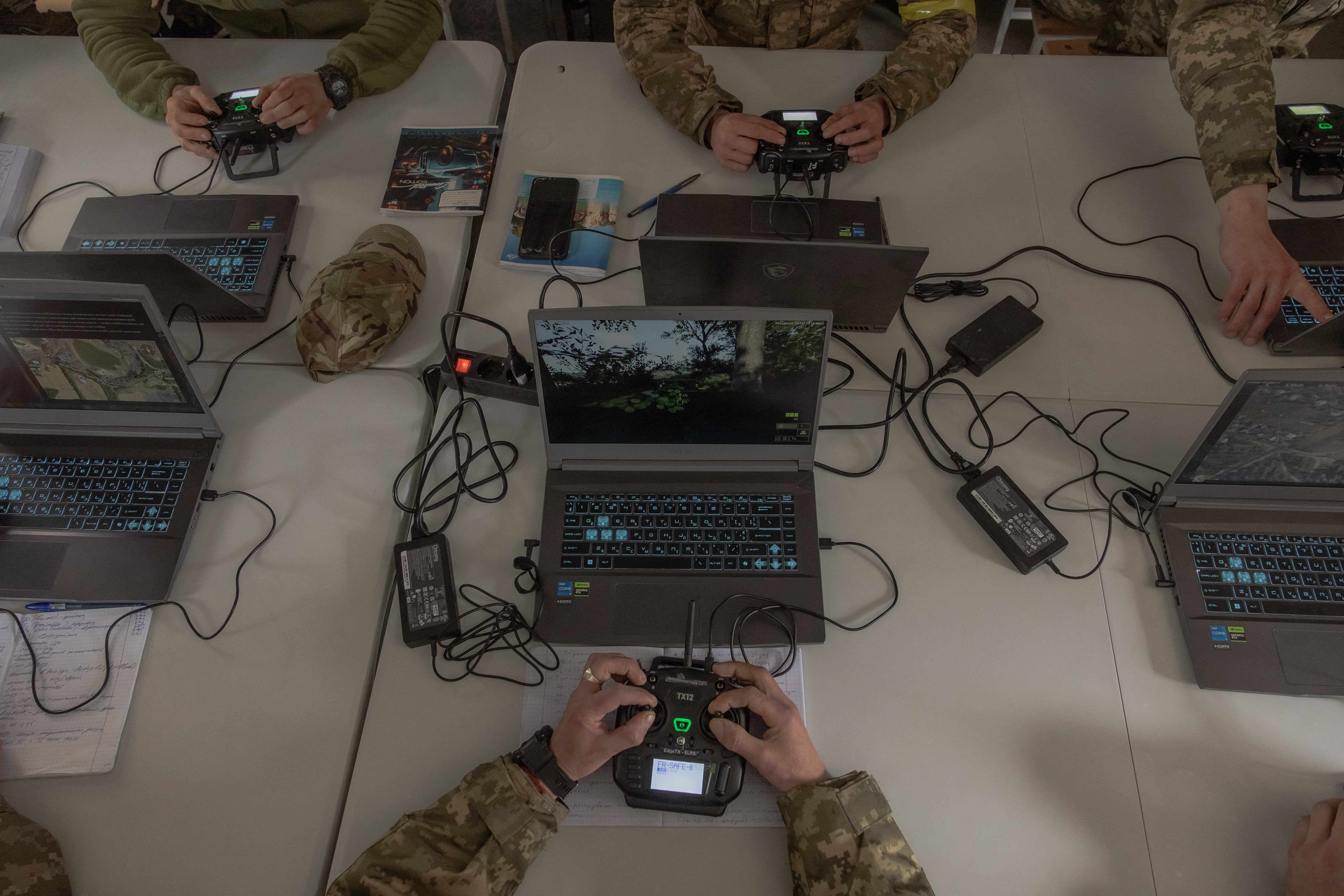
Another factor is a kind of demand that marketing cannot create. In peacetime, a startup may spend years convincing the government that its product is needed. In Ukraine, the problem arises before the technology does—and a solution is needed immediately. This prompted the government to create a unified innovation ecosystem that connects developers with the military’s real-world needs.
Today, the Brave1 platform brings together thousands of defense-tech companies, helping them move from an idea and testing to funding and deployment.
It is this combination of direct contact between developers and users, continuous adaptation, a strong prewar IT sector, and real demand that has created an environment in Ukraine where new technologies are tested faster than anywhere else in the world.
How Ukraine’s government became part of the defense-tech ecosystem
Ukraine has created an institutional infrastructure connecting developers, the military, researchers, and investors. At its core is Brave1, a government defense-technology cluster implemented by the Innovation Development Fund that also serves as a grant program for defense startups. Today, it brings together 2,300 companies, more than 5,000 technology projects, and over 200 developers of AI solutions.
In other words, the government is trying to shorten the distance between prototype and user. Through Brave1 Market, military units can directly purchase technologies listed on the platform using decentralized procurement mechanisms. AI and software solutions are already available, while the marketplace itself continues to evolve based on user feedback.
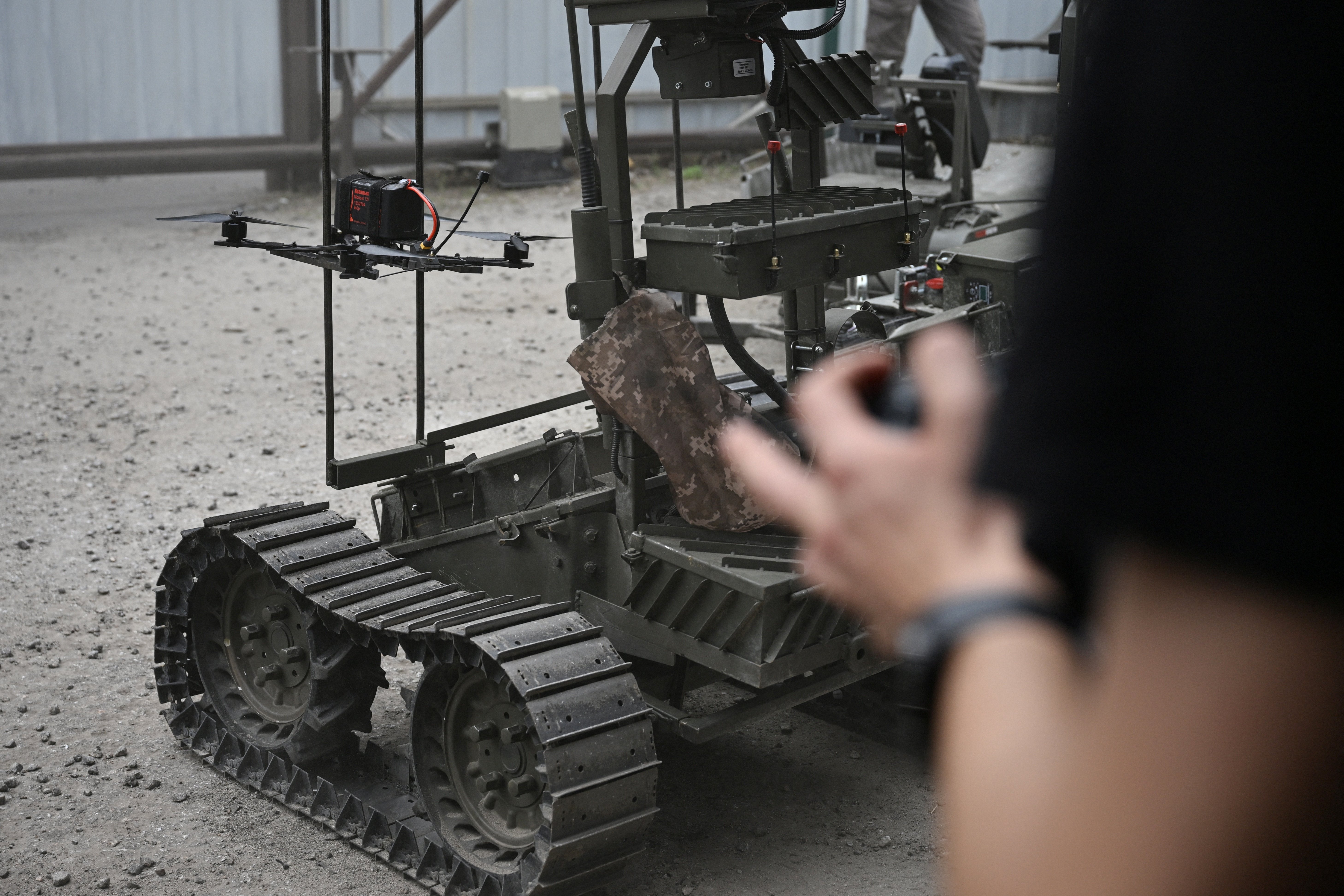
At the same time, Ukraine is building infrastructure for the AI development cycle itself. Brave1 Dataroom gives developers secure access to structured datasets that closely reflect real-world conditions for validating, training, and fine-tuning military AI models. As of June 2026, more than 100 Ukrainian companies had already gained access to the platform.
For investors, Brave1 is increasingly becoming a gateway to Ukraine’s defense-tech market. The cluster offers a company catalog with analytics, personalized startup matching, and consultations on the market, individual companies, and legal issues.
How Ukraine turned military procurement into an innovation engine
Ukraine is changing not only the technologies themselves, but also the way they are deployed. DOT-Chain Defence, a digital defense marketplace, is moving military procurement into a digital environment where service members can select the solutions they need themselves and interact directly with manufacturers and the Defense Procurement Agency. The goal is to shorten the path from an identified need to delivery from months to weeks.
But the most important innovation here is feedback. Following the pilot, service members gained the ability to rate solutions and provide feedback on their performance under real-world conditions. The agency created this functionality at the military’s request and uses the feedback it collects to improve the platform. Procurement thus becomes part of the innovation cycle: needs shape selection, use generates data, and feedback informs the next solutions.
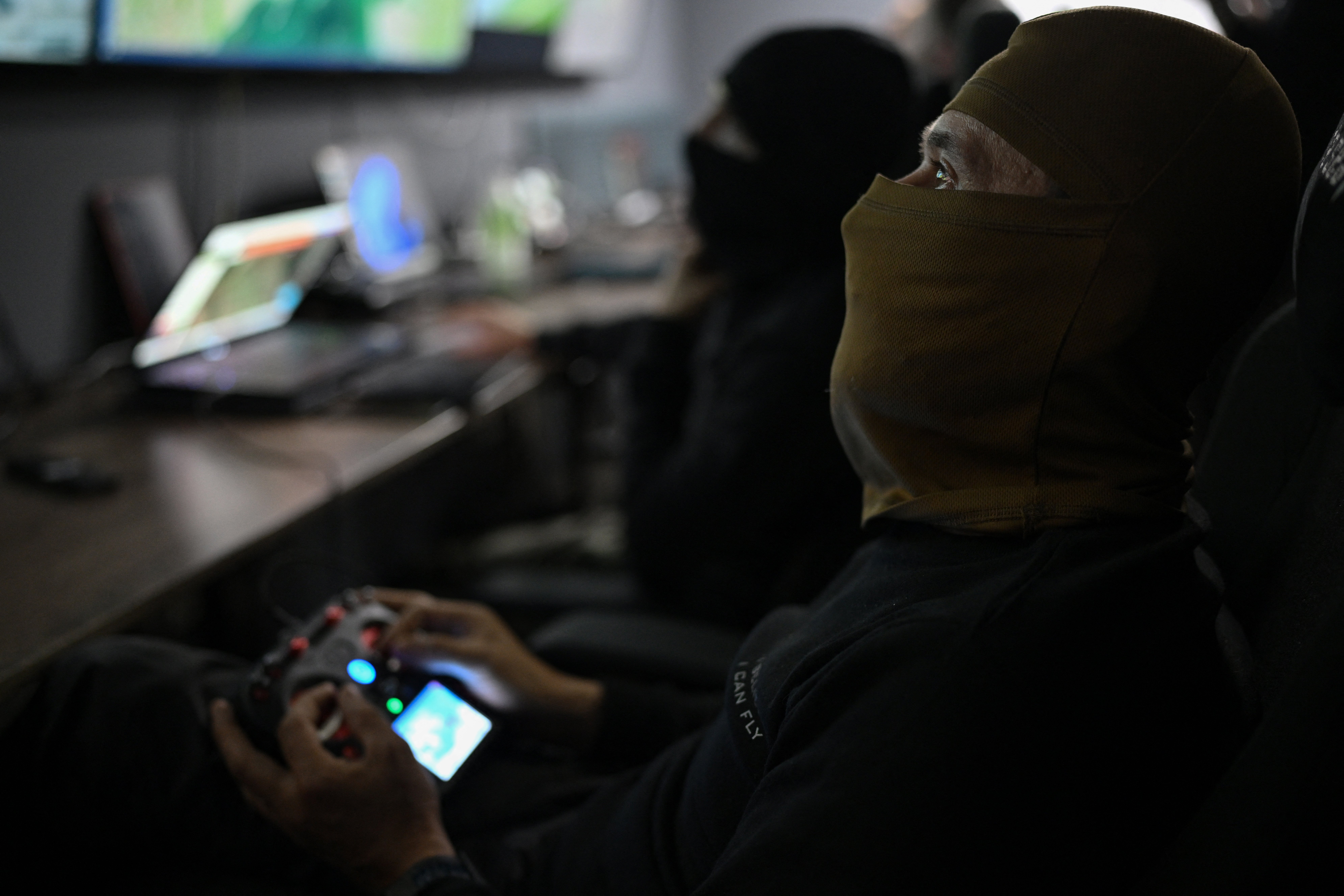
This is the broader Ukrainian experiment. By shortening the distance between developers and users, DOT-Chain Defence accelerates not only delivery, but also technological adaptation.
What exactly can Ukraine’s battlefield AI do?
AI on the Ukrainian front is about more than autonomous drones. It identifies objects, analyzes video, assists with navigation, processes data directly on devices, and combines information from multiple sources into a unified picture of the battlefield.
The first area is computer vision, which is trained to detect and classify objects even under difficult conditions, including when they are partially concealed.
The second is autonomy. Ukrainian systems already use AI for specific functions, including recognition and navigation, but this does not mean a complete transition to “robot warfare.” In many cases, a human remains in the decision-making loop. In June 2026, Brave1 described a system capable of automating a significant portion of the process of intercepting an airborne target. At the same time, a human operator retains control and can stop the system’s actions.
The third area is edge AI: processing data directly on a device, which is particularly important when connectivity is unstable or cloud access is limited. This type of software allows systems to perceive their environment and operate with minimal dependence on external infrastructure.
The fourth is situational awareness. AI does not necessarily make decisions on behalf of humans; rather, it rapidly transforms vast amounts of video, sensor, and geospatial data into information needed for decision-making. This is precisely how DELTA is evolving: the system integrates information from multiple sources and provides military units with a shared operational picture.
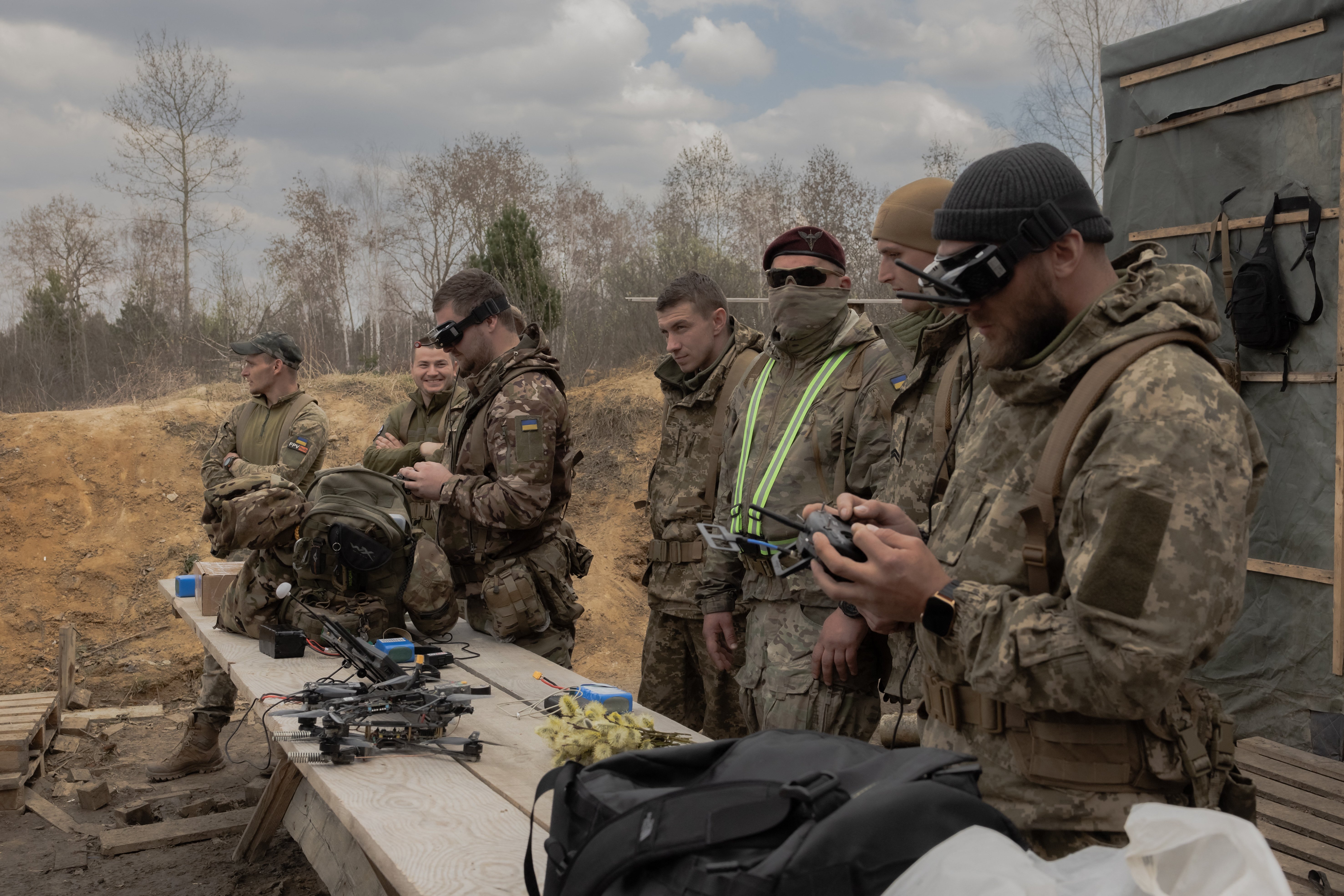
And finally, humans and machines increasingly work together rather than in opposition to one another. Today’s spectrum ranges from fully human-controlled systems to AI-assisted solutions and individual functions with high levels of autonomy. The Center for Strategic and International Studies emphasizes that modern autonomy is not merely a feature of a platform but a software layer that connects sensors, data, algorithms, and decision-making. This is where the next technological shift is taking place: software is enabling machines not merely to execute commands, but to understand their environment.
Ukraine’s advantage is not that it invented AI, but that it has created a system that is difficult to replicate—one in which technology, users, data, capital, and the government interact at wartime speed.
Ukraine’s defense-tech investment paradox
According to Brave1, more than 50 Ukrainian defense-tech startups raised over $105 million in venture and angel capital in 2025. At the same time, the market remains predominantly early-stage, with most funding rounds ranging from $200,000 to $400,000. Ukrainian defense tech is already generating investor demand, but primarily at the seed and early stages rather than through large-scale funding rounds.
Meanwhile, international investor interest is becoming increasingly concrete. At Brave1 Defense Tech Valley 2025, four European and American companies announced plans to invest more than $100 million in Ukrainian technologies. The first rounds have already closed, including a $15 million raise by Ukrainian company Swarmer.
This is where the investment paradox emerges. Ukraine has something no laboratory or accelerator can easily replicate: access to a real-world operating environment, rapid feedback, and the ability to test technologies under conditions that cannot be artificially simulated. But investors need more than rapid testing. They also need scalable businesses, protected intellectual property, export potential, and a clear path to returns.
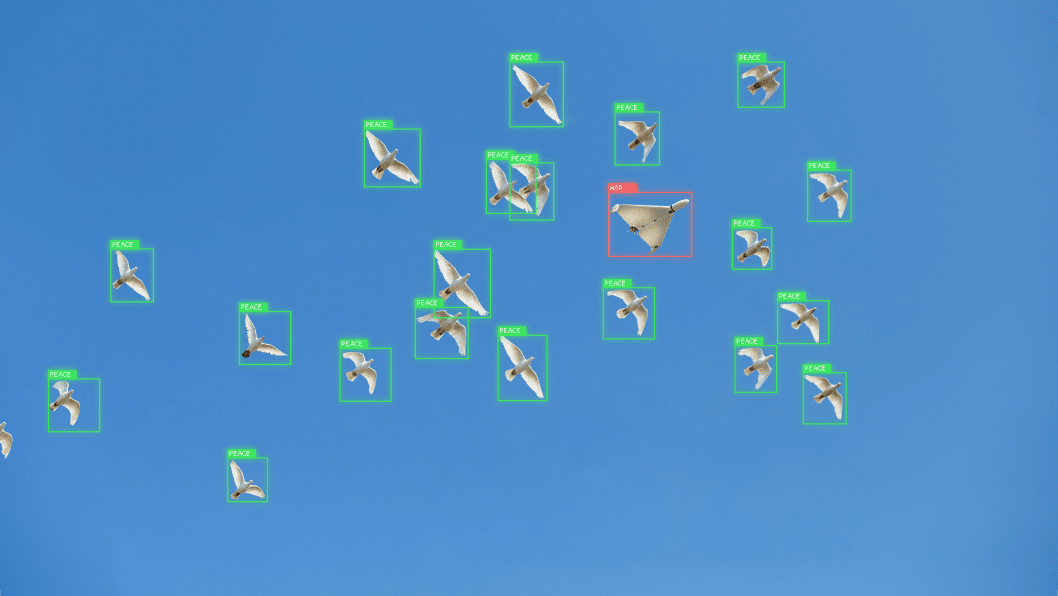
Ukraine, therefore, should not be measured by total investment volume alone, but by capital per startup, the speed at which technologies move from development to deployment, and access to a real-world environment for validation.
This is what makes Ukraine compelling to global investors—not as a “cheaper” alternative to Western markets, but as a unique environment for rapid technological validation. But can the country turn this wartime advantage into a long-term business model with global demand?
The first attempts are already underway. In 2026, the government launched Brave International, a unified framework for international programs with partners, with an announced budget exceeding €100 million ($114 million). The new framework covers both previously announced and future international initiatives, including UNITE Brave NATO, Brave Norway, Brave France, Brave Germany, and Brave Lithuania. It is intended to accelerate the launch of joint grant programs and the scaling of Ukrainian technologies.
Russia’s full-scale war has created an extreme environment for technological innovation. Ukraine is now trying to turn that experience into technologies capable of competing not only on the battlefield but also in the global market.
Discuss this article:

-c439b7bd9030ecf9d5a4287dc361ba31.jpg "Photo of Katherina Popilnichenko")
-111f0e5095e02c02446ffed57bfb0ab1.jpeg "Photo of Roman Kohanets")