- Category
- Anti-Fake
“People Don’t Die, They Just Disappear”: How Your Children, Faith, and Home Stop Being Yours Under Russian Occupation
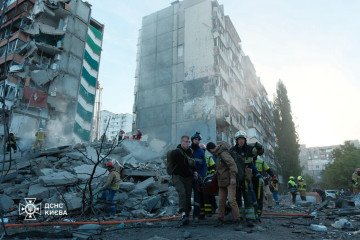
“Occupation isn’t just a soldier at a checkpoint; it is every part of your day being quietly taken over, under the constant threat that it can end in 'the basement' or at the front line.” This is what life becomes for Ukrainians living under Russian occupation.
 Prefer U24 Media on Google
- Authors

-605be766de04ba3d21b67fb76a76786a.jpg "Joseph Place")
Many have seen the more brutal components of life under occupation, from torture against civilians, sexual violence, deportations to Siberia, the stealing of children, conscription of Ukrainians, and executions. However, there are as many less violent but no less powerful tools Russia uses to coerce the Ukrainians and attempt to keep control over the land it occupies.
We bring you stories from the ground. Your support keeps our team in the field.
These tools of occupation were discussed in a report titled Russia’s Coercive Occupation of Ukraine. We outline some of the more subtle but insidious ways occupation enters people’s lives, and we also spoke to the author of the report, Megan Gittoes, Senior Associate Fellow of New Lines Institute and advisor to the Ukrainian Security and Cooperation Centre (USCC).
Russia uses many deliberate tools that it has been using since occupying Crimea. While some are clear, violent, and brutal, others are subtle. Russia aims to infiltrate all components of the residents' lives, via propaganda, laws, churches, and property.
Megan Gittoes
Senior Associate Fellow of New Lines Institute and advisor to Ukrainian Security and Operation Center
The Russian Orthodox Church and its role in propaganda
Since 2014, when Russia occupied Crimea, religious freedom on the peninsula has essentially been erased. The Kremlin has used religion and its dominating Russian Orthodox Church as a tool of propaganda and control.
“For anyone outside the Moscow Patriarchate, practicing faith has become dangerous,” Gittoes said. “This goes far beyond bureaucratic pressure—there are well-documented cases of detention, torture, and murder of clergy.”
Around 50 priests were killed by Russians by 2024. One of many examples is Stepan Podolchak, a priest in the Kherson region, who was kidnapped and killed by Russians for refusing to hold sermons in Russian or transfer his church to the control of the Moscow patriarch. His wife had to identify his body after he was taken from his home.
Russian soldiers have tortured and killed a local priest, Stepan Podolchak, in the temporarily occupied territory of the Kherson region.
— UNITED24 Media (@United24media) February 16, 2024
This was reported by @suspilne_news, citing the Kalanchak Administration.
"They dragged Stepan out of the house barefoot and put a bag on his… pic.twitter.com/HiTdxCuelz
Russian authorities either seize or repurpose the churches, ban congregations, and accuse believers of links to the West or espionage. The result is a climate of fear in which open worship carries serious risk, forcing many into silence or clandestine practice.
The Russian Orthodox Church is “the only one allowed to function freely,” Gittoes says. “Russia has created a coercive religious hierarchy: the Kremlin-aligned Russian Orthodox Church is privileged, embedded in governance and education, and actively used as a tool of propaganda both in Russia and in occupied areas. All other denominations are systematically repressed, dismantled, or pushed underground.”
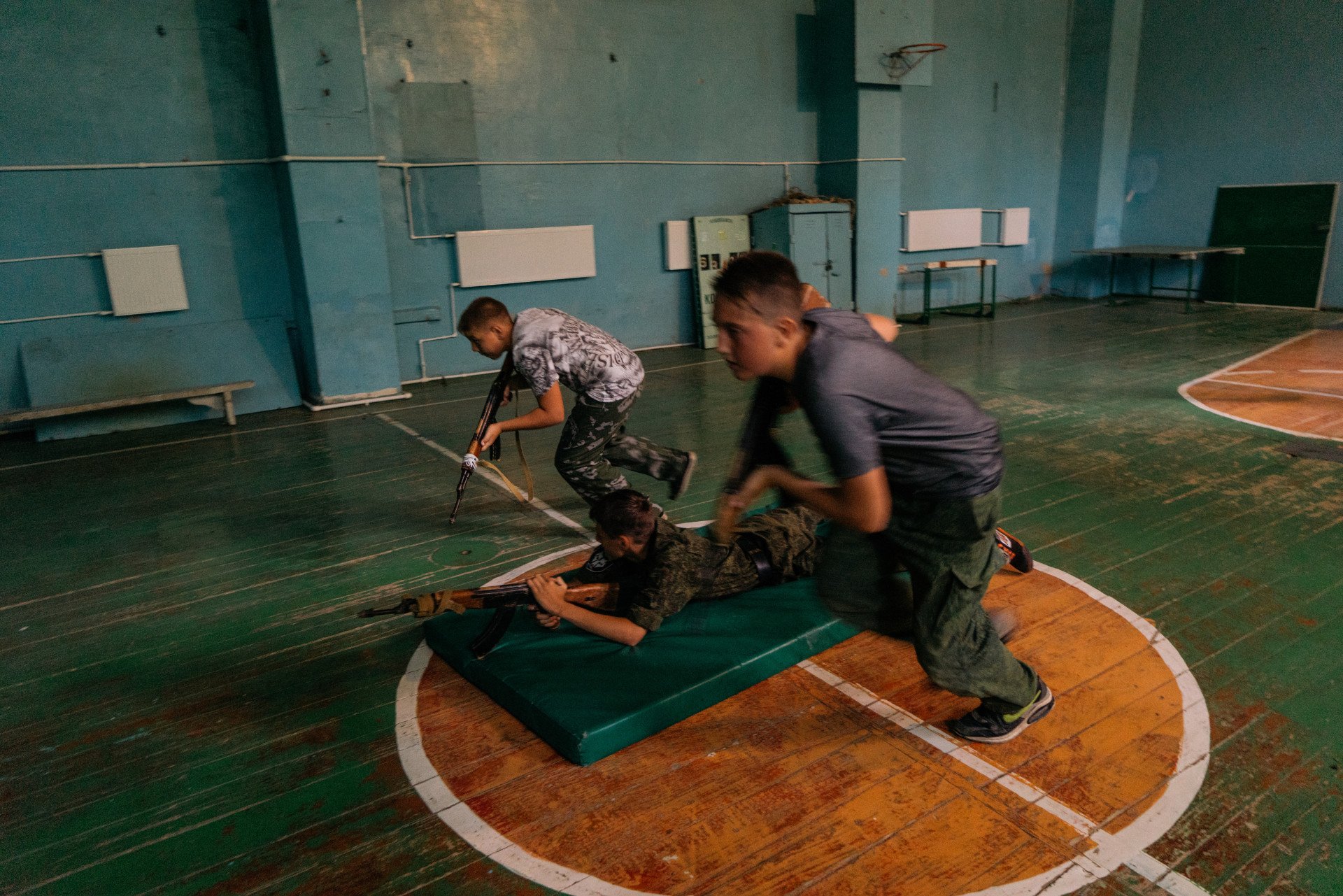
Church-affiliated Russian organizations operate in schools, indoctrinating children with “Cossack Classes” which teach Russian propaganda while also preparing children for combat. The propaganda students are taught in schools is overseen by the Church, with military members often teaching in Sunday School classes. In Crimean schools, many Muslim Crimean Tatars are pressured to join the Russian Orthodox Church as well, says the report.
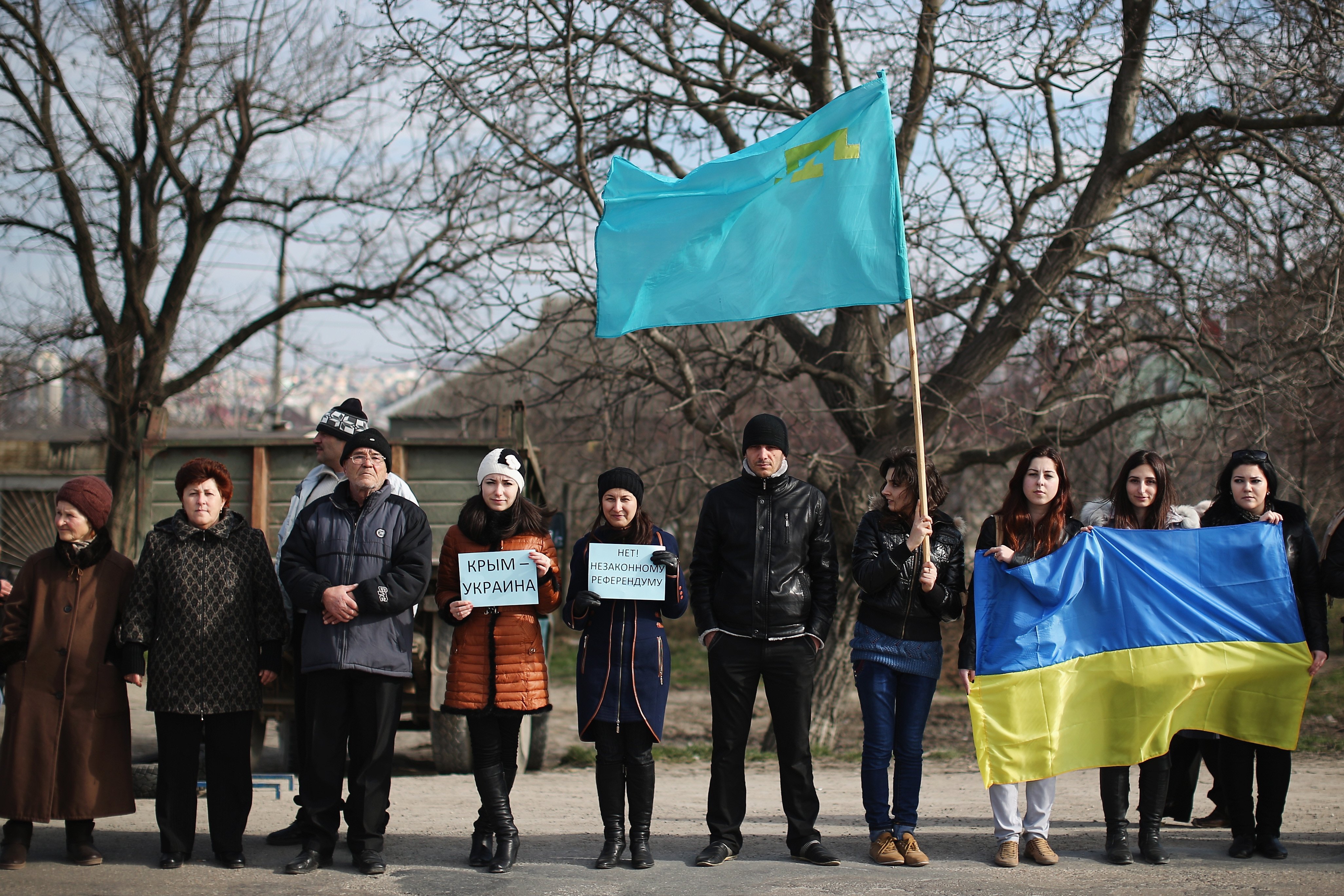
All religious institutions were to re-register once the Russian authorities occupied the peninsula in 2014, an OHCHR report says. As one article notes, the number decreased from 1400 to 365, with a preference for the Russian Orthodox Church, as only Russian citizens could register.
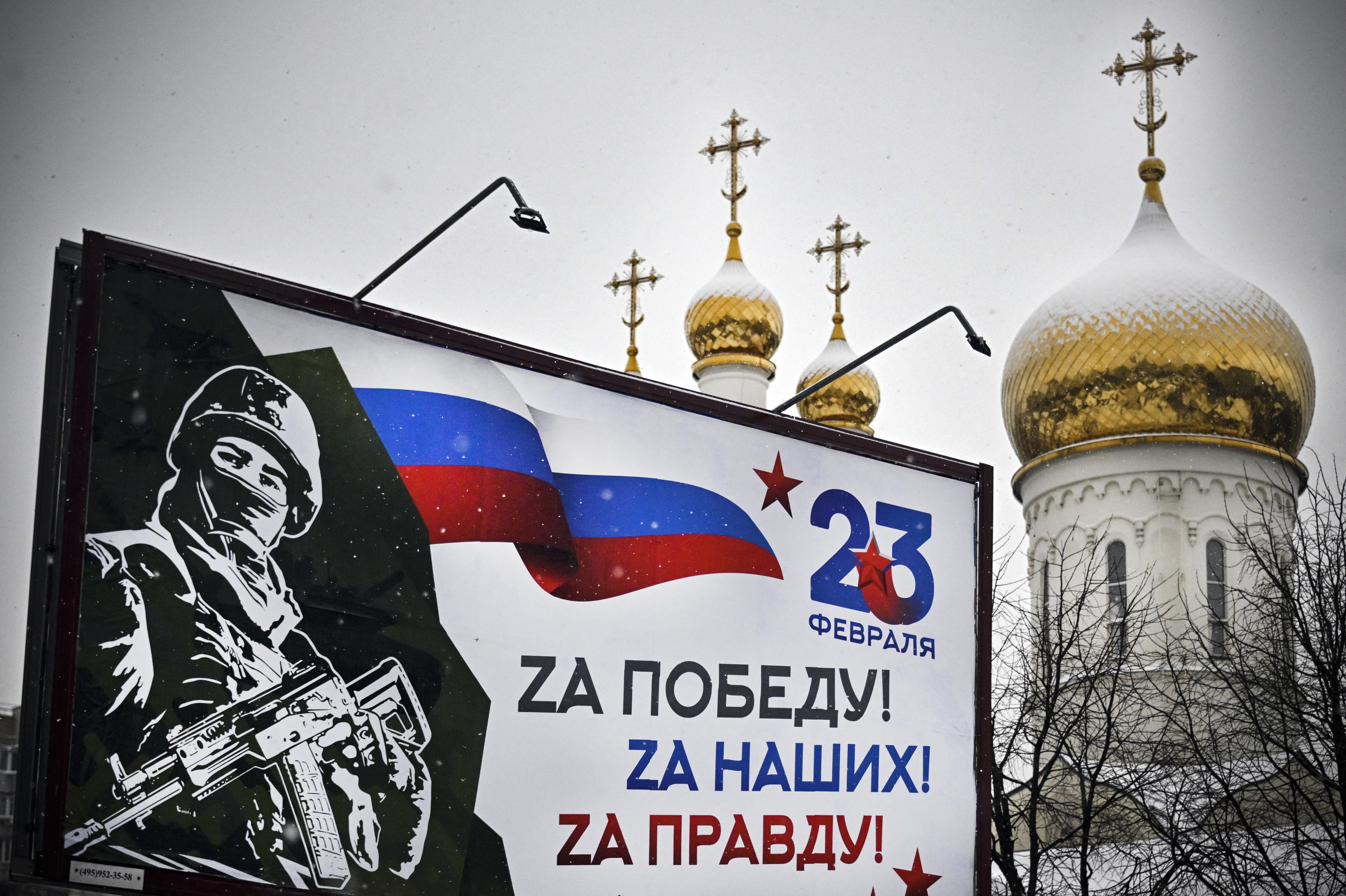
The Church is not peripheral to the occupation—it is central to it, says Gittoes. “It frames the war as a ‘holy’ mission and a Russian sacred duty, while reinforcing anti-Western narratives through schools and public messaging. The suppression of other religious groups serves clear strategic aims: eliminating independent community leaders, fracturing social cohesion, and severing ties to Ukraine.”
Internet control and social media influence
Engaging with the outside world and accessing reliable information, especially about Ukraine, Russia, war, and the occupation, is heavily controlled by the Kremlin in the temporarily occupied regions, with strict punishments for those trying to access information outside of it. Russia imposes internet blackouts in the occupied Ukraine, blocks or limits certain applications such as WhatsApp, bans Telegram, Signal, and Viber, and encourages state-affiliated applications such as MAX, which is integrated with the Russian government portal Gosuslugi, both monitored by the Kremlin.
“People can be arrested, tortured, and end up murdered or 'disappeared' for accessing Ukrainian media or using a VPN,” Gittoes said. “Phones are routinely checked, activity is monitored, and collaborators report on their neighbors. Some people still find ways around it, but it’s risky. Most people are pushed into a Russian-controlled media bubble—not a total blackout, but a filtered system where what you see is shaped by the state.”
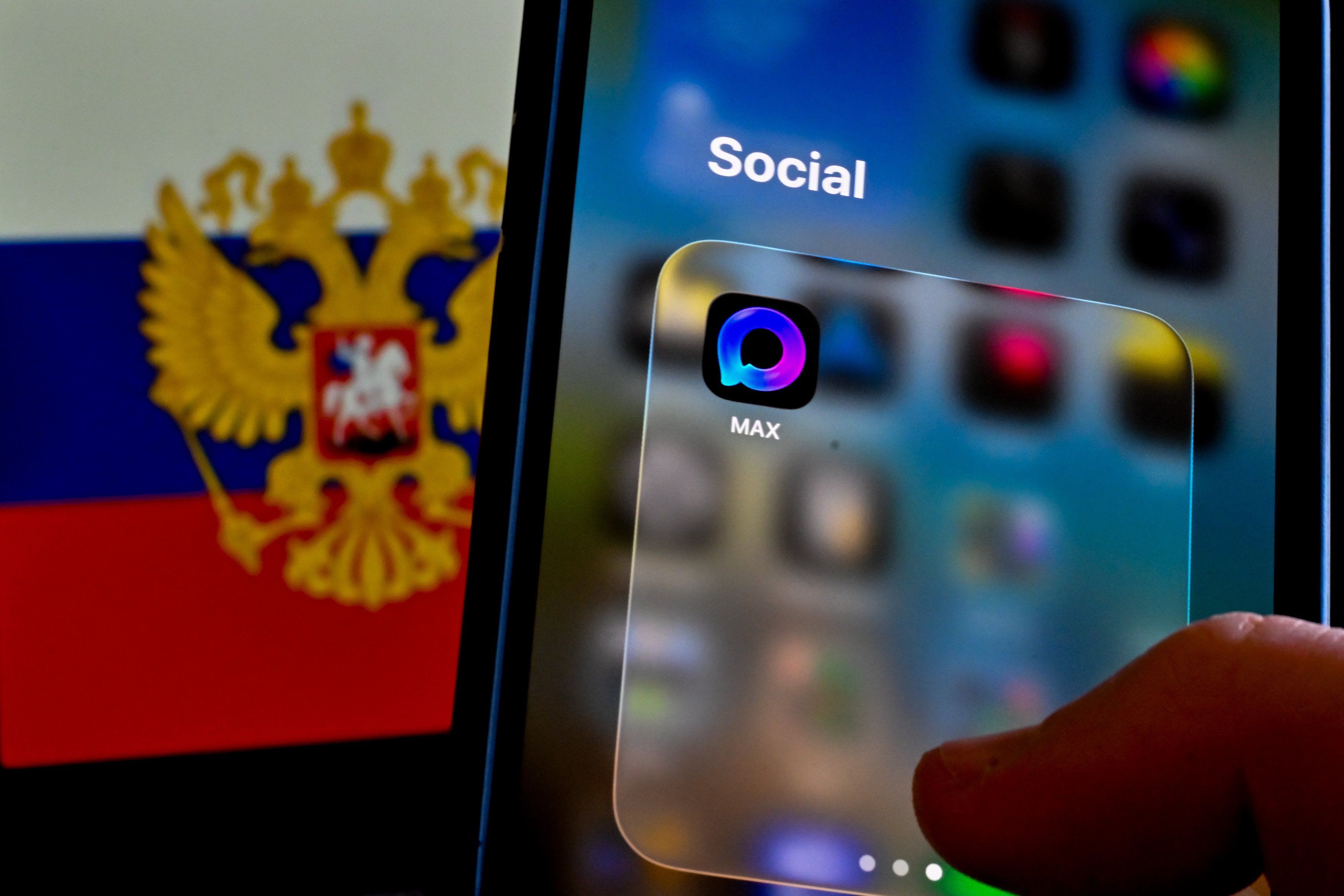
The Russian authorities cut the occupied regions off from Ukraine’s communication systems and replaced them with Russian-controlled ones, like ISPs and mobile operators, allowing widespread surveillance.
Russia also spreads propaganda in the region using influencers to promote the Kremlin’s line in occupied territories and paying individuals to flood social media with propaganda.
“This is organized, not organic,” Gittoes says. “The result is a tightly controlled media machine where both imported and local voices are used to sell a false, sanitized version of life under occupation, deliberately masking repression, coercion, and abuse. Russia blends state-backed influencers and pro-Russian accounts.”
These influencers include Pavel Karbovskyi (known as Cosmonaut from Donetsk), Alina Bannikova, and Zhenya Lebedev, to push its narratives. In fact, there is the New Media Workshop, aimed at journalists, bloggers, content creators, and social media professionals who want to push pro-Russian narratives in new media formats, the report says.
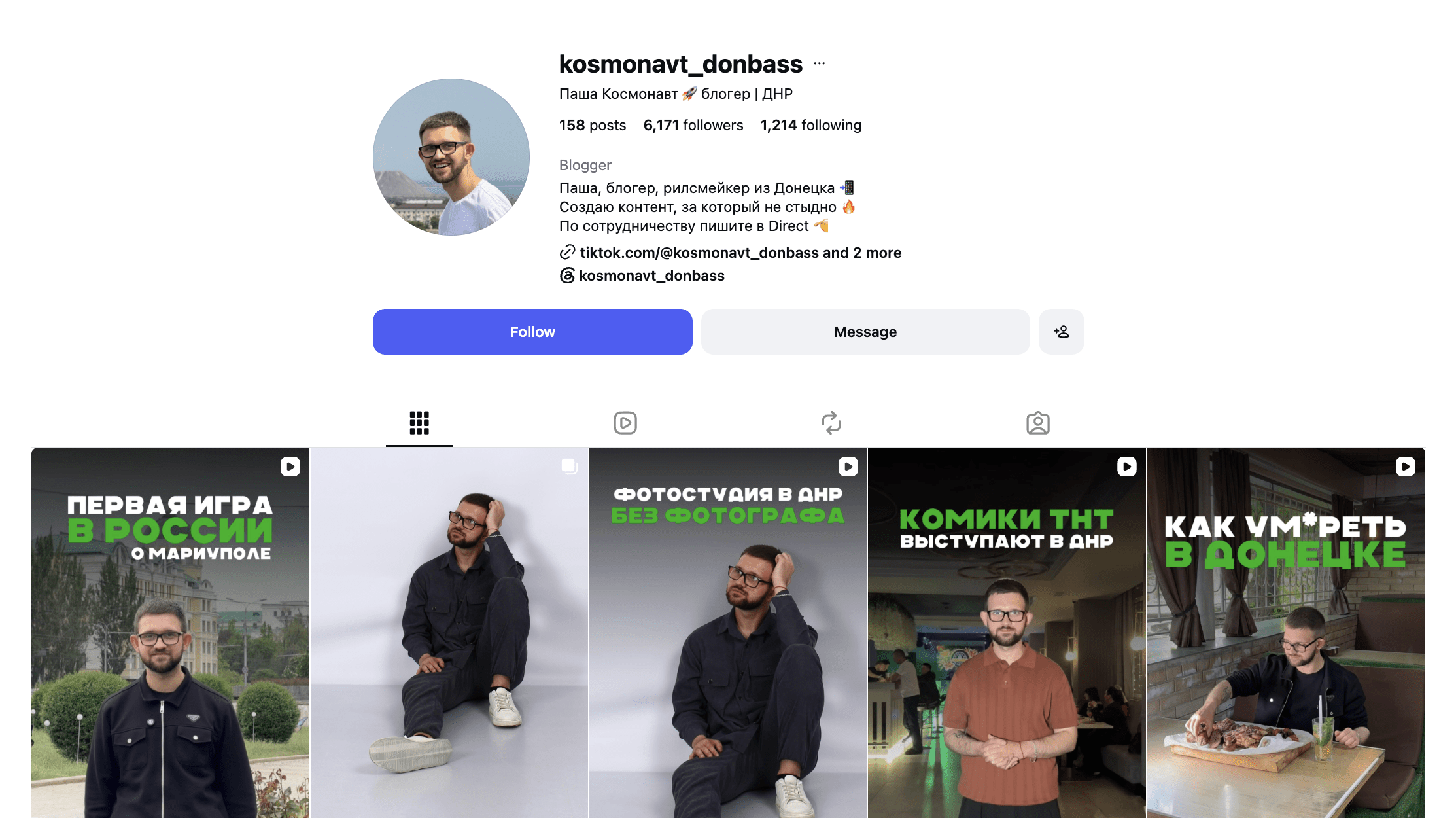
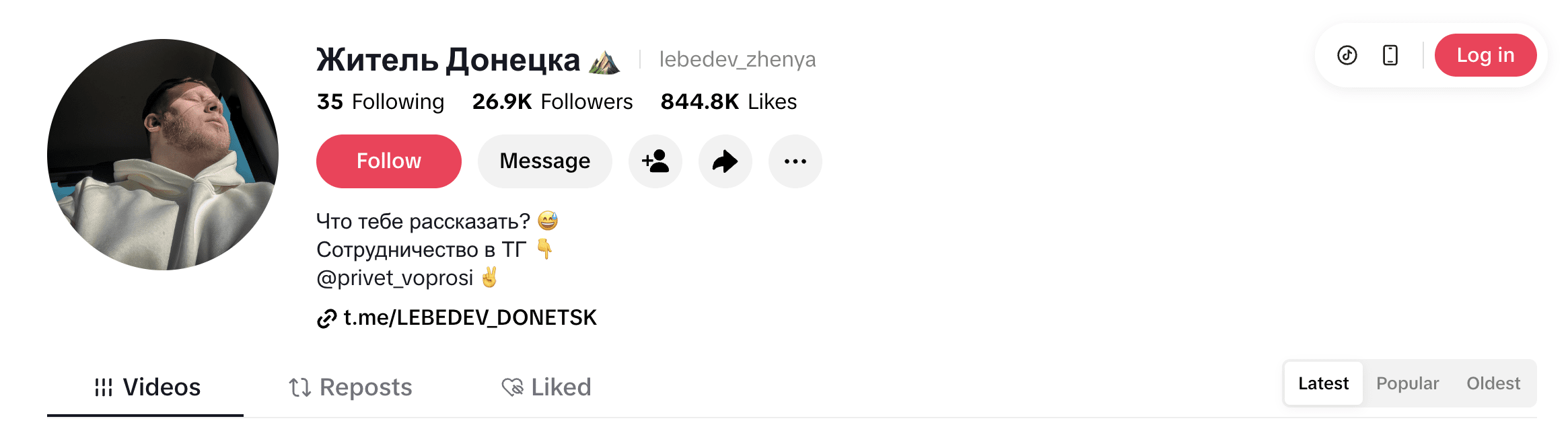
“What’s changing is the emphasis on local voices, because they make propaganda feel familiar, credible, and part of everyday life, rather than something imposed from the outside,” Gittoes says.
The most vulnerable group is children. “They’re the most digitally skilled, but also the most cut off,” says Gittoes. “Ukrainian platforms, online education, and global social media are blocked or disrupted, and replaced with Kremlin-controlled ones. Over time, that constant exposure—and lack of alternatives—risks shaping how young people see the war and their identity. Teachers and parents are told to monitor students' accounts and engagement online.”
Coercion is part of Russia’s system—there are cases of Ukrainians being detained and forced to film 'apology' videos for 'offending' the Russian military if they have posted something negative online.
Megan Gittoes
Senior Associate Fellow of New Lines Institute and advisor to Ukrainian Security and Operation Center
Schools as a place of propaganda and recruitment
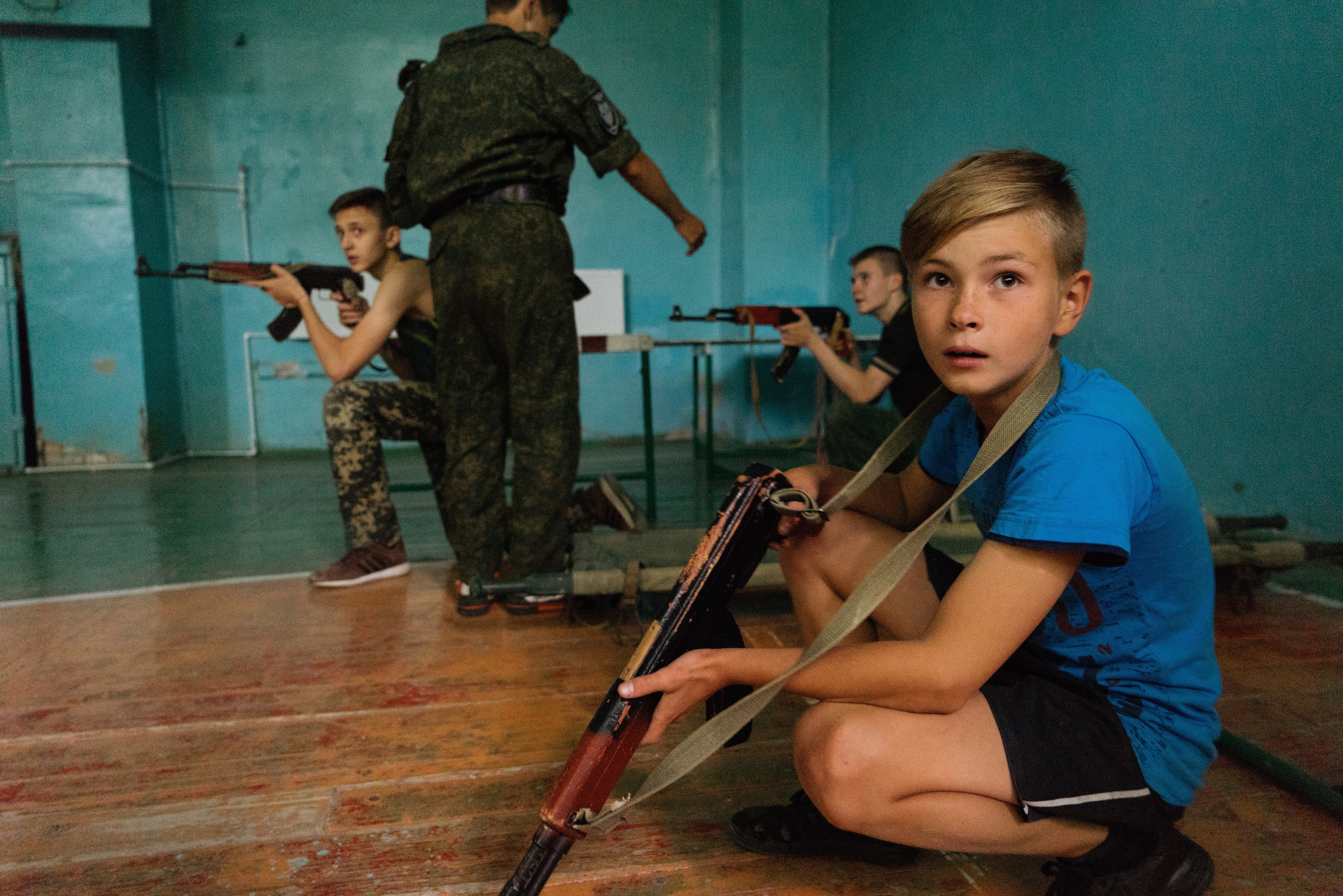
Since 2014, “schools were swiftly transformed into ideological spaces,” the report says. Sending kids to school in the Russian-occupied territories means they will have to endure not just propaganda but also efforts to recruit them into the Russian military. Many schools in Donetsk, for example, have been militarized and repurposed as training centers, pretending to be for “youth development.”
The walls are covered with portraits of Russian and Soviet “heroes.” Former Russian military personnel are now teachers, including those discharged for psychological issues, as reported by Ukraine’s National Resistance Center.
Some examples featured by the Russian press include residents of Donetsk and Luhansk who took part in what they call the “Special Military Operation” and returned to teaching, often physical education, but also “patriotic lessons”. Ruslan Efremov is one of them and, as a pro-Russian Donetsk-based media outlet Kosmolska Pravda claims, after being wounded when invading Mariupol in 2022, “resumed his teaching career in Vasylivka , again becoming a physical education teacher. In the role of class teacher and head of the sports club 'Stimul', he continued to instill in the younger generation a feeling of love for the Motherland.”
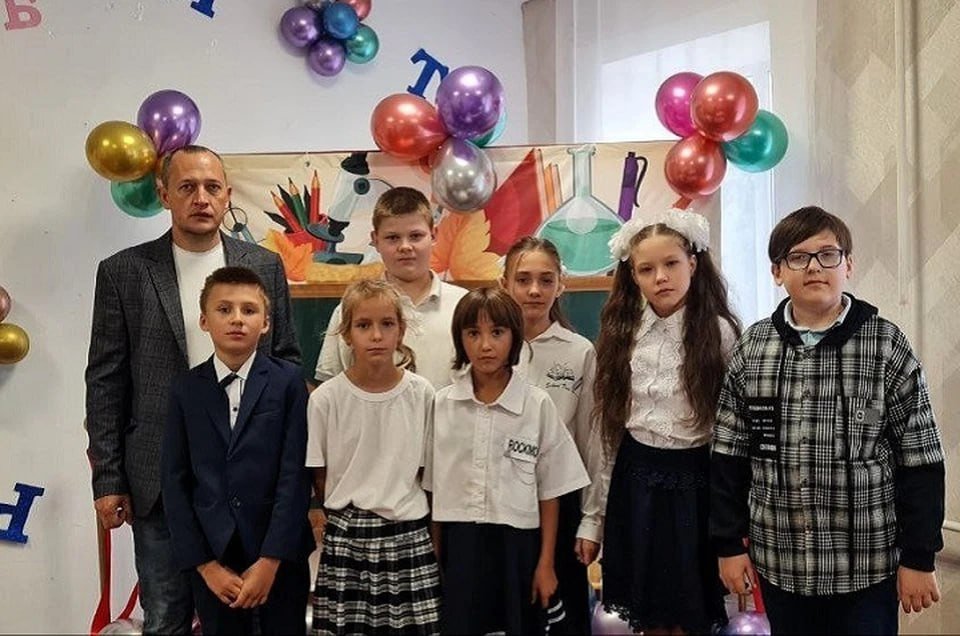
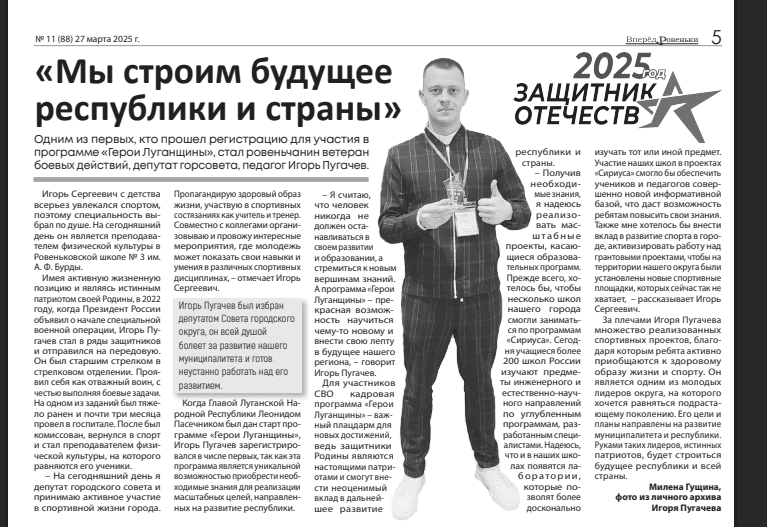
Another is Igor Pugachev, a former sportsman, who became a physical education teacher after being discharged from the army and a member of the local pro-Russian government and United Russia party, who was awarded the “Defender of the Fatherland” medal.
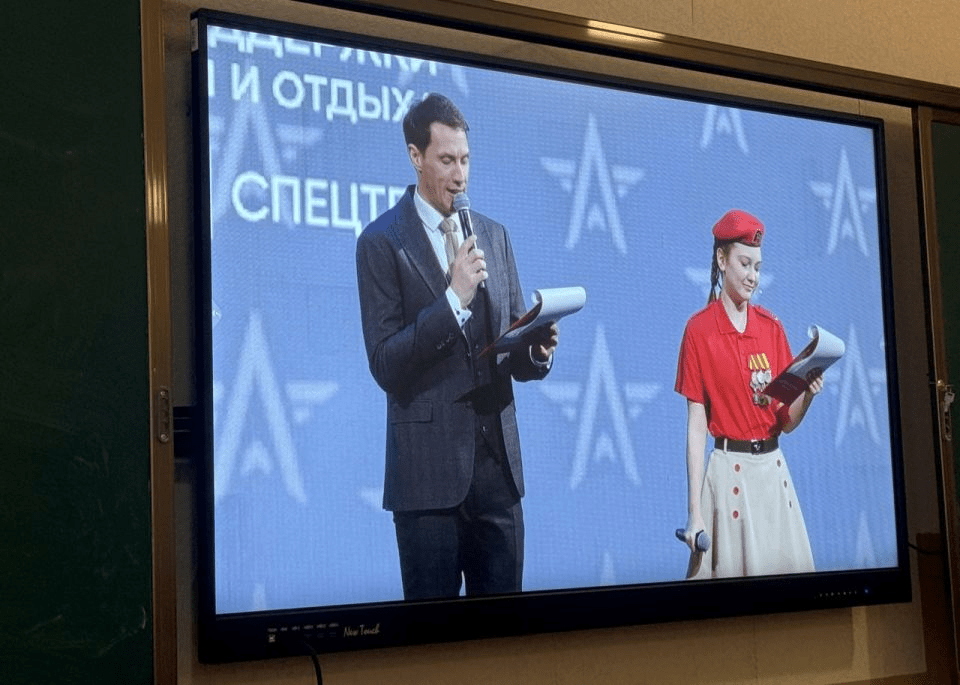
He created a face-to-face event for the Russian nationwide “Military-patriotic dictation” (where students watch a broadcast and conduct a quiz, the questions are focused on Russian history, politics, and warfare) in a school that got local media coverage. The goal was “to popularize military-patriotic education, instill civic responsibility and strengthen traditional Russian values.”
In these schools, the Russian occupation of Ukraine is not a bloody conquest, but rather a liberation and return of the territories. Educators teach a Russian version of history that, alongside other lessons, focuses on the “Russian World”, claiming that these territories are Russian, merely separated from Russia in 1991, despite these territories historically belonging to Ukraine and under internationally recognized borders (borders that Russia also recognized). The history taught now places occupied Ukraine in the Russian world; Ukrainian history is not taught, and textbooks repeatedly stress that the students are Russians, not Ukrainian.
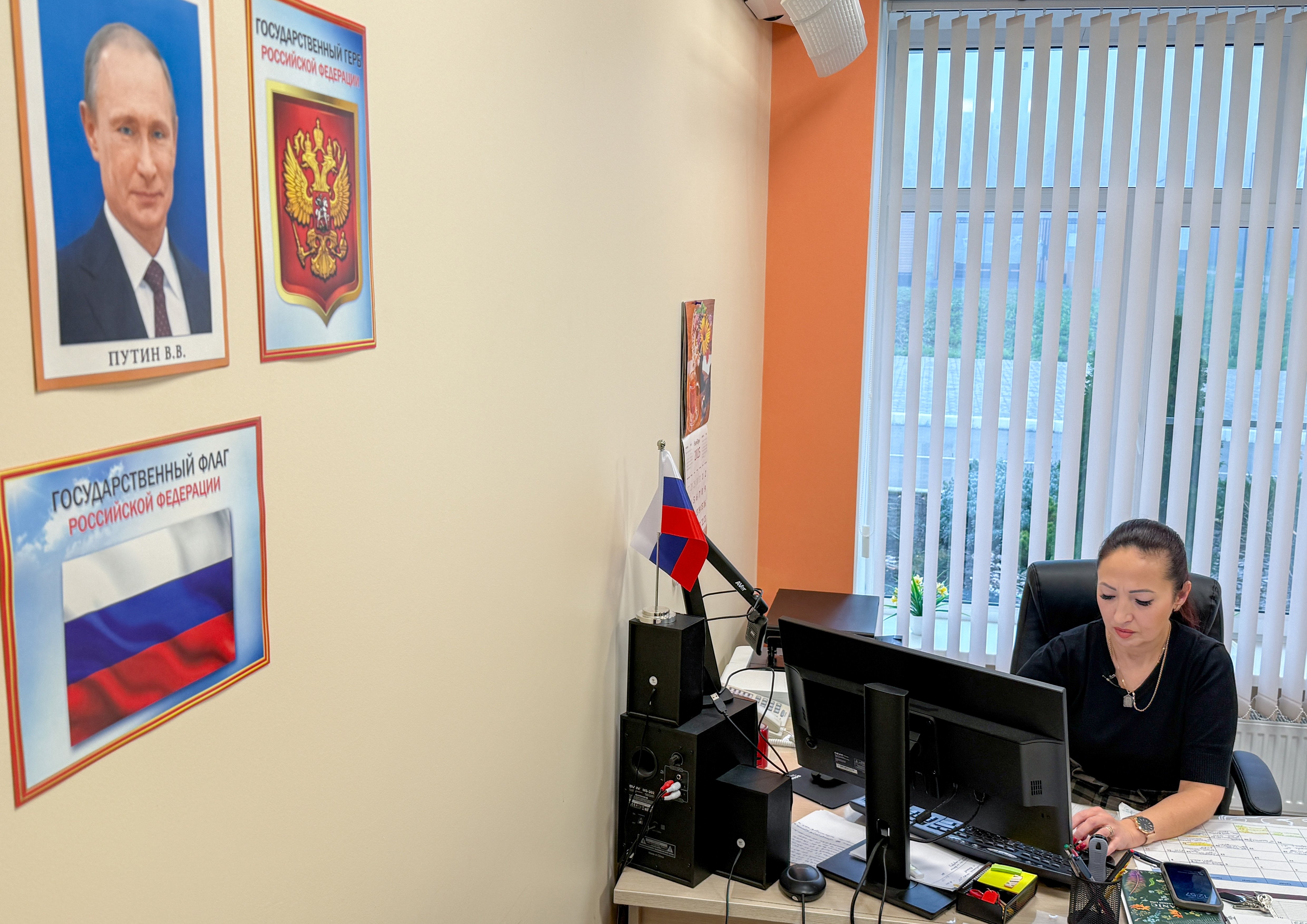
Lessons cover topics such as “The Russian World,” “Fundamentals of Homeland Security,” and “Important Conversations.” Some books list Putin’s achievements. Kharkiv Human Rights Group also discussed how less time is spent on foreign languages, and more is spent on things like “traditional Russian spiritual-moral values” in the occupied territories.
Schools and the resources they use promote Kremlin narratives, such as the claim that the “West” is the enemy, history lessons on “Ukrainian Nazism”—a term used to refer those who live in Ukraine—“state Russophobia” (even though prior to Russia’s 2014 invasion, most Ukrainians had a positive view of Russians), and “reasons why Russia had to start a war against Ukraine and NATO.”
Additionally, as Human Rights Watch noted, the Russian history textbook, which goes up to the present-day invasion, claims that “Russian forces do their utmost to protect civilians and do not under any circumstances attack 'residential areas'” while alleging that Ukrainian forces routinely use “their own citizens… as a human shield.” Despite the overwhelming evidence of intentional civilian casualties in Ukraine directly caused by Russian military soldiers, drones, and missiles.
Kharkiv Human Rights Group reports how the Russian authorities attempt, in textbooks, “to speak of the ‘inevitability’ of what is called the ‘special military operation’, i.e., Russia’s war of aggression against Ukraine, and presents a glaringly false account of the war.”
Ukrainians are harshly punished, via fines, arrest, disappearance, deportation, or having their children taken, for sending their children to online Ukrainian schools or enlisting them in Ukrainian language lessons. In fact, targeting Ukrainian language lessons online has been a goal of the Russian authorities as well.
Schools are also used to train potential soldiers. As Stanislav Zakharevych, who remained in occupied territories before being captured and tortured for resistance, said: “Russians take children out of town, dress them in military uniforms, give them certain roles, such as a drone operator, sapper, or paratrooper, and then organize 'military-patriotic games.”
We asked Gittoes about how Ukrainian parents attempt to resist or minimize the harm to their children. “There are no easy or safe answers,” she says. “But there are some patterns of how Ukrainians try to shield their children.” Some families pull children out of Russian-run schools, despite threats, fines, or risk of losing custody, because “they see attendance as direct exposure to indoctrination and military recruitment.”
Simultaneously, some try to “comply just enough with Russian schooling to avoid punishment, while secretly continuing Ukrainian online lessons,” she says, “Often using VPNs, hidden devices, or informal learning circles.” However, Russian-occupied territories are “brutally” restricted spaces under significant pressure from Russian occupation authorities, such as social services or security forces.
Ukrainians are facing a “stark choice between safety now and protecting their children’s identity in the long term,” says Gittoes.
Repopulation and property seizures
When Russian forces advanced, bombarding the peaceful cities, millions of Ukrainians fled the occupied territories. As a result, Russia has replaced large numbers of the residents and stolen property. Ukrainians without Russian passports are treated worse than Russians or other foreigners, while the Russian newcomers are classed as national citizens with more rights, which not only forces Ukrainians to get Russian passports but also creates a fundamentally unequal society that discriminates against those who are residing in their homeland.
Russia started its approach of resettlement and replacement in Crimea. Estimates vary from 500,000 to 1 million Russians relocating to Crimea illegally, according to the ISW. This meant that those who fled Crimea after the invasion have essentially lost their homes to Russians, and as long as it is occupied, they cannot return.
Elsewhere, the numbers are in the hundreds of thousands. Mariupol, where around 100,000 Ukrainians lost their lives, is expected to increase in population by 300,000 Russians by 2035, according to Russian authorities.
At the core of those Russians wishing to occupy homes of Ukrainians and settle there are loyal cadres—“teachers, doctors, police, officials, and other public‑sector workers brought in under targeted programs, with subsidized mortgages and bonuses that are only available if they live and work in the occupied territories,” says Gittoes. “These people are expected to staff the new administration, run schools on the Russian curriculum, and enforce Moscow’s rules; ideological reliability is part of the package.”
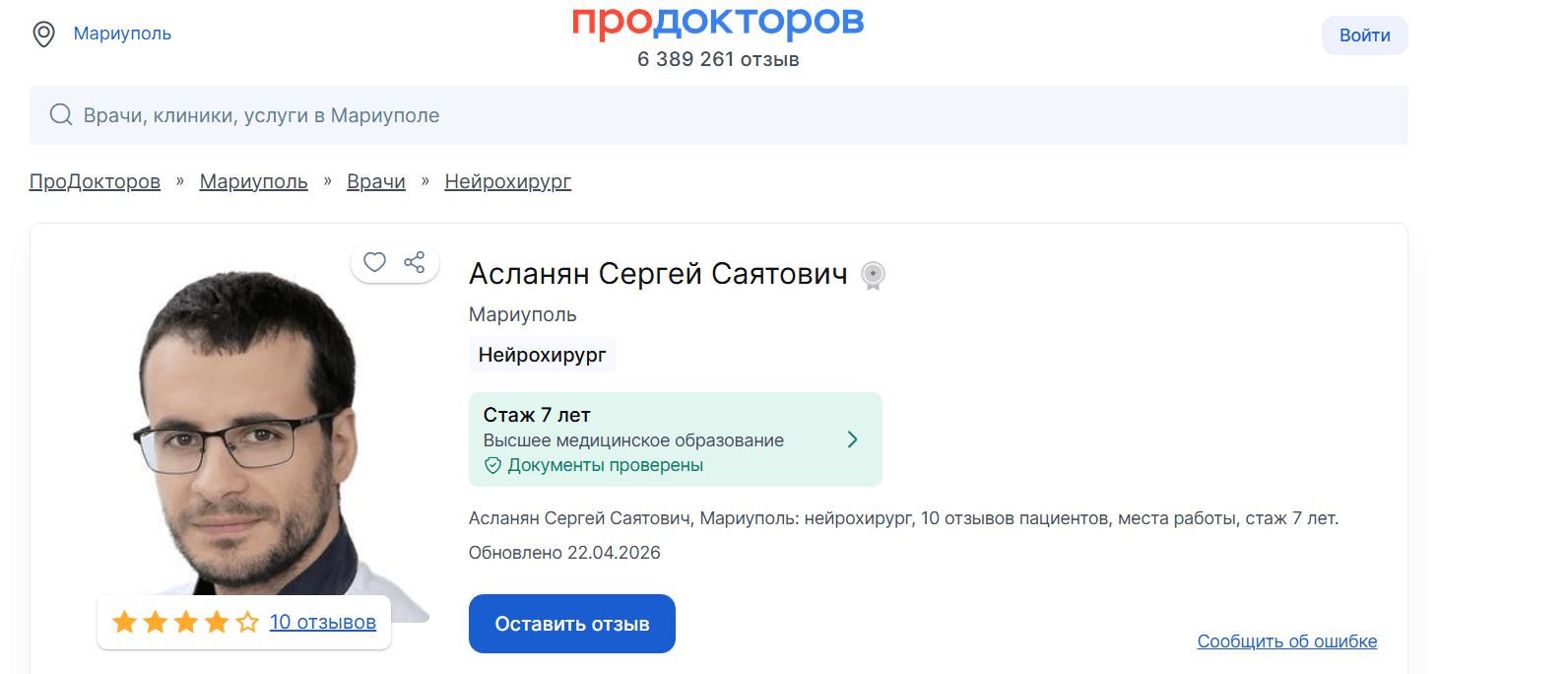
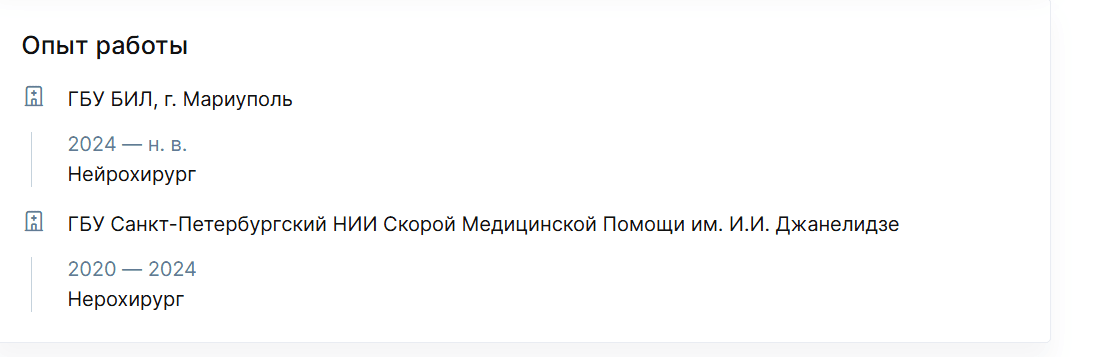
One such doctor is Sergey Aslanyan, a surgeon from St. Petersburg who moved to Mariupol in 2024. People like him represent how Russia needs to replace the Ukrainians who left, and deliberately want to foster the false reality that these are Russian, not Ukrainian cities.
Alongside those staffing the institutions, some are motivated more by the pursuit of opportunity. Gittoes added that “There is a broader layer of settlers from poorer or more remote Russian regions for whom a cheap flat and a stable salary in Mariupol or Melitopol looks like an escape from deprivation rather than an explicitly political act. But even those who initially come for economic reasons quickly become structurally loyal to the regime, because their futures are now tied to Russia staying in control.”
Russians have moved in and are living in houses, whether those of Ukrainians, or those rebuilt or newly built over the ruins of former homes, or sometimes even graves of Ukrainians, without care for those who died or lost their homes, because they are offered financial rewards or believe in the Kremlin’s mission. By now, Mariupol, Berdyansk, and Melitopol are inhabited by many Russians, often from the poorer regions. In 2025, Russia laid out plans to resettle 5 million people in the occupied territories.
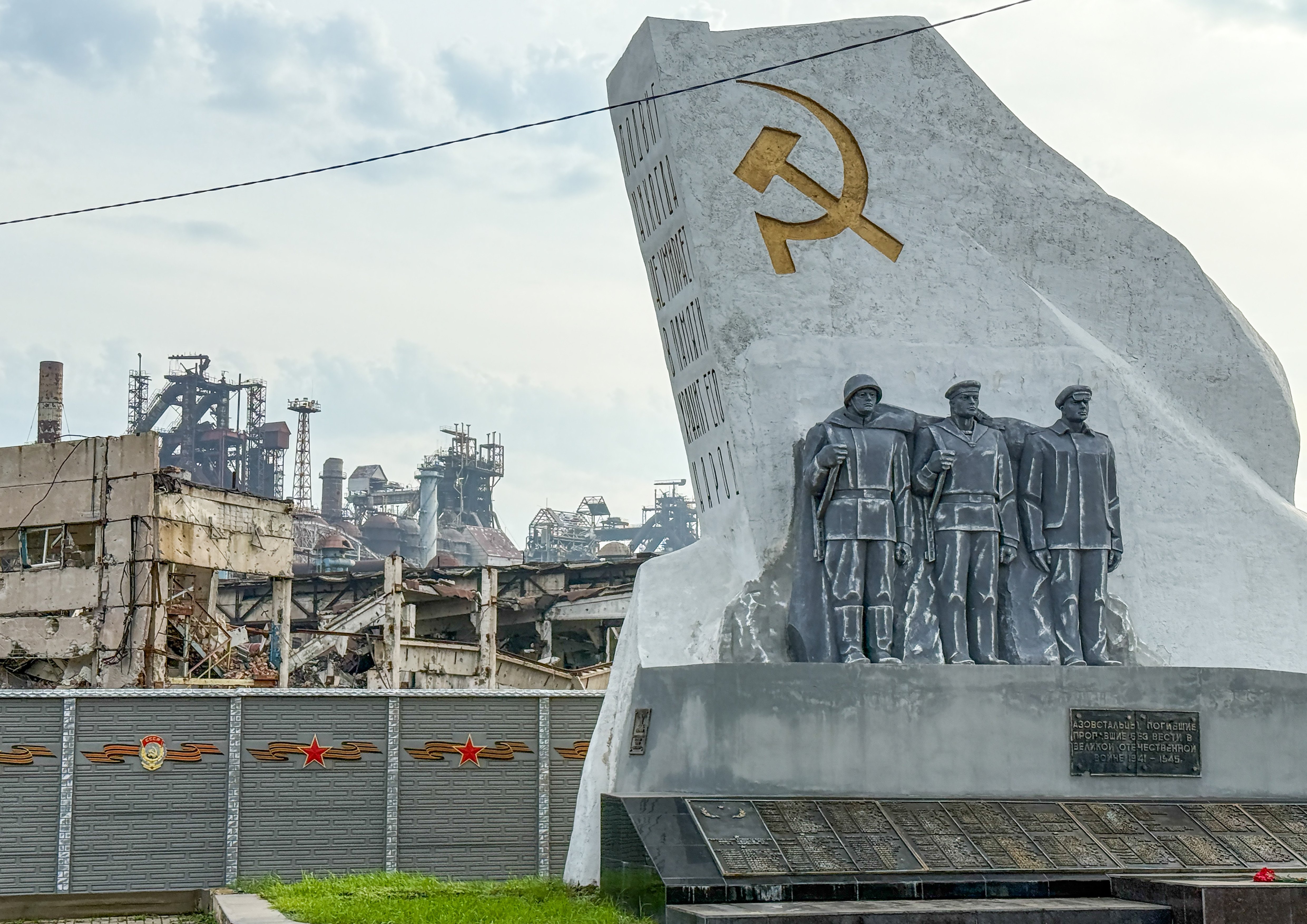
One such example is Lyubov Pitonova, from Saransk, central Russia—who relocated to occupied Mariupol. She praised the new building and those who created it, and was highlighted by Russian occupation propaganda channels. While she enjoys the new life in Donetsk, thousands of Ukrainians are homeless, unable to return, living in fear, or dead as a result of Russia’s invasion.
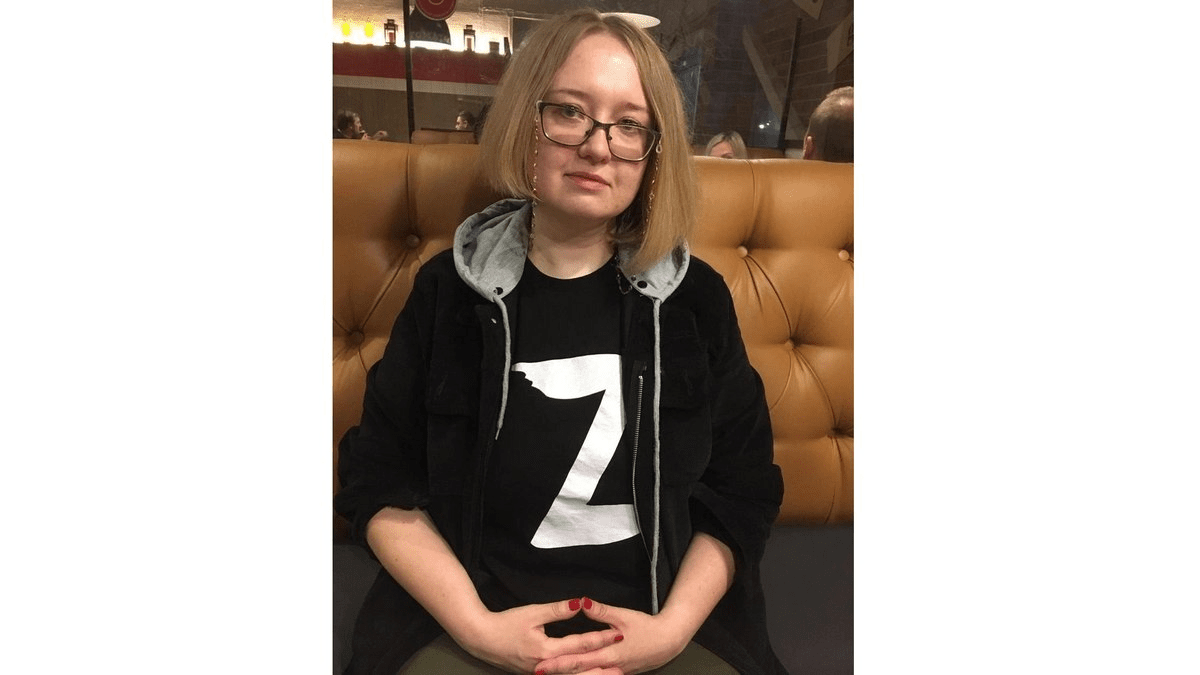
Another is Darya Ugarova, from Ryazan, who posts in occupied Donetsk and provides aid to residents, which may appear noble at first glance; however, photos from her VK account show that she promotes Russian political narratives and symbols inside Donetsk, and the organization she works with is called “For Ours” (meaning Russian) and features Russian imagery.
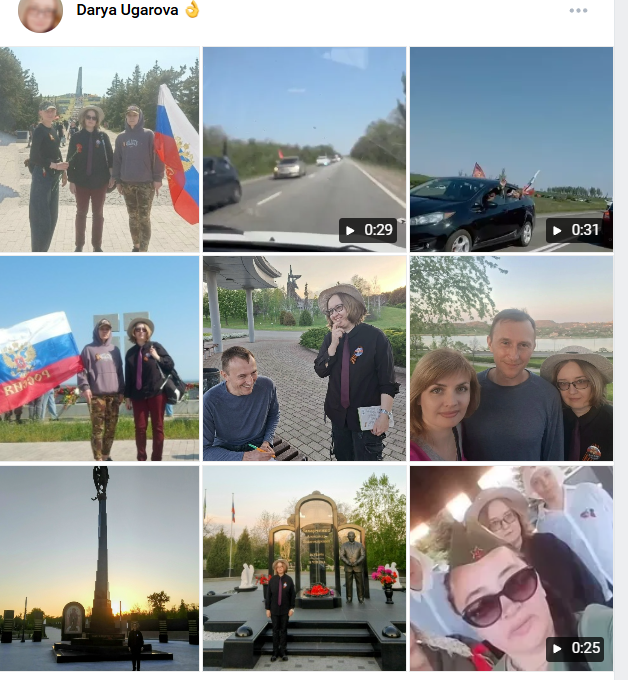
She was featured in a Russian news site, with a photo of her wearing the “Z” symbol on her t-shirt. This shows that even those providing “aid” are promoting propaganda and war iconography.
Russian outlet Novaya Gazeta spoke to some teachers moving from Russia, such as teacher Konstantin Matyukhov, from Omsk (and his name is found in an article at a cadet school), who said, “We’re all Russians. There is no Ukrainian and Belarusian—these are the two dialects of the Russian language.”
Another was Daria Ganieva, who moved to Crimea from Siberia, believed “Melitopol will have its own referendum, and the people will decide to join Russia,” and Yuri Baranov, who was most excited about giving his wife a garden, despite having a “dislike of Ukraine.”
This act of resettlement is an attempt to create legitimacy, but also subjugates the Ukrainian population, ensures a population that is loyal to the Russian government, and changes the very nature of the communities many of the Ukrainians once called home. These are “two sides of the same strategy, and neither works without the other,” Gittoes said.
The scale and speed of the planned inflow of Russian citizens into the occupied cities make it clear this is not about normalizing life for Ukrainians; it is about replacing them.
Megan Gittoes
Senior Associate Fellow of New Lines Institute and advisor to Ukrainian Security and Operation Center
Occupation authorities are compelling village heads in the Zaporizhzhia region to list the addresses of those who fled. Then, the Russians steal these homes. But it goes beyond that. Under legislation, Ukrainians who own homes in the “border” regions (as Russia refers to them) are stripped of their ownership rights. They must, instead, acquire Russian passports to maintain their property, and courts can decide who the rightful owners are.
For those who lose their homes, they are then used by the Russian army, given to Russian military veterans and officials, and can be resold to Russians. There are even cases of foreigners being given homes of Ukrainians. Russia first used this strategy in Crimea, with thousands of homes “nationalized” on the peninsula. Since 2022, Russia has seized thousands of homes of those who fled or died in Mariupol, for example, and we can see the same across the occupied areas.
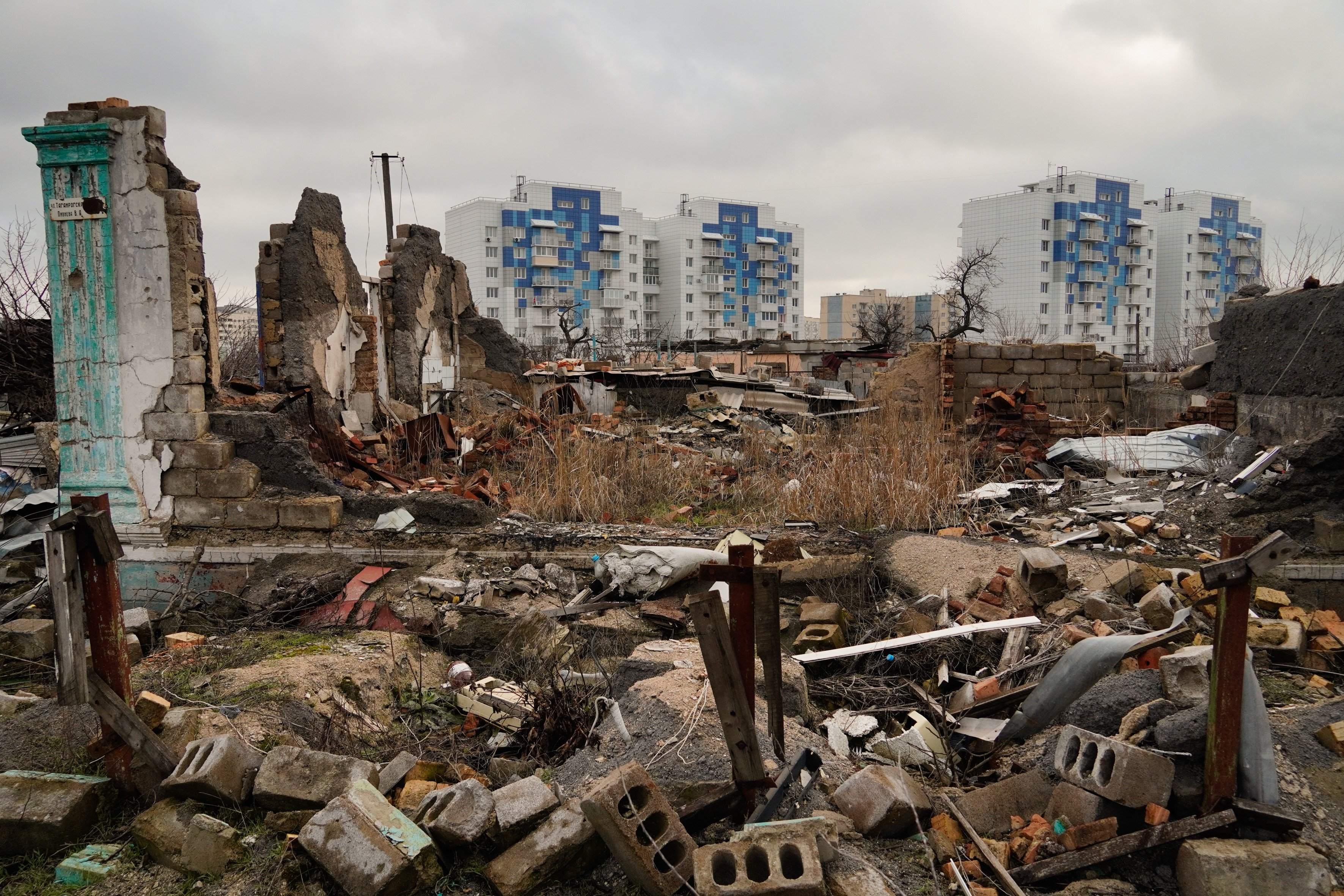
This is not an accident; it is enshrined in Russian law, enforced in the temporarily occupied territories, rendering property rights very weak for Ukrainians. First, Russia categorizes Ukrainian homes as “unclaimed” or “ownerless”. If a property is unclaimed, it is seized. This does not only apply to those who fled, but even to those who live at home but are caught up in the bureaucracy of claiming ownership and acquiring a Russian passport.
“On paper, Moscow’s new rules about 'ownerless' housing and re‑registration are framed as normal administration,” Gittoes says. “In reality, people were bombed out of their homes or pushed out through inspections and paperwork, their flats are declared abandoned or non‑compliant, and suddenly the only way to have a legal address, access basic services, or a realistic chance of keeping a roof over your head is to step fully into the Russian system—including accepting a Russian passport.”
Russia’s multi-tiered occupation
Occupation isn’t “just a soldier at a checkpoint,” says Gittoes. “Every part of your day is quietly taken over, under the constant threat that it can end in 'the basement' or at the front line.
A member of the Ukrainian resistance once described life under occupation to her more bluntly: “People don’t die. They just disappear.”
The fear is not only of spectacular violence, but of the slow, constant pressure that settles over ordinary life. Occupation determines “which flag your child sees at school, what you hear in church, which news you are allowed to read, and even the language you dare speak in the stairwell,” Gittoes said.
A wrong word, she said, can mean detention, torture, or disappearance. Trying to flee can be just as dangerous. Those escaping occupied territory have described what Ukrainians grimly call ‘drone safari’—attacks in which Russian drone operators hunt civilian vehicles on evacuation routes, with footage later posted online alongside mocking commentary from soldiers.
If we treat it as just lines on a map, we completely miss the point: Russian occupation is a system designed to get inside people’s heads and homes, to make obedience feel like the only way to stay alive. Until we understand that, we will keep underestimating both the damage it does and the support Ukrainians need to undo it.
Megan Gittoes
Senior Associate Fellow of New Lines Institute and advisor to Ukrainian Security and Operation Center
What is often overlooked, she said, is the exhausting normalcy of fear. “It’s not just big headline crimes, it’s wondering if the neighbor who smiled at you in the lift is also reporting your conversations, or if your teenager’s phone will get them dragged to a basement because they follow a Ukrainian channel.”
Over time, many residents adapt because they must. But adaptation, Gittoes cautioned, should not be mistaken for acceptance. “The constant self‑censorship, the pressure to perform loyalty, the knowledge that one accusation can cost you your job, your child, or your life—that invisible weight rarely makes it into our discussions, but it shapes everything.”
For children raised under occupation, the damage may outlast the war itself. Some have spent years repeating Kremlin propaganda in classrooms, singing Russian patriotic songs or publicly denouncing “disloyalty” because refusing to do so could place their families at risk. Others have watched people disappear into detention centers or heard drones hunting cars carrying civilians trying to escape.
“We cannot just tell them ‘forget all that’ and expect it to disappear,” Gittoes said. “Rebuilding trust—in institutions, in neighbors, in the idea that the state exists to protect them, not to punish or disappear them—will be just as hard as filling in the gaps in their education.”
The brutal violence is what terrifies people; the quieter tools are what keep them in line every single day.
Megan Gittoes
Senior Associate Fellow of New Lines Institute and advisor to Ukrainian Security and Operation Center
“The quasi-prisons—where even children have ended up—the bodies dumped or quietly buried, the cars hit as they try to leave,” Gittoes lists. “Surveillance, school curricula, property seizures, forced passports, and controlled media are how that message is then enforced without firing a shot.”
And despite the pressure, Ukrainians in Russian-occupied territories continue to resist, often quietly, and at enormous personal risk. People hide Ukrainian flags in their homes. Parents organize underground lessons. Residents share banned news, refuse Russian passports, and document abuses in secret.
“When we talk about ‘frozen’ frontlines,” Gittoes says. “We should remember there is nothing frozen about life behind them. If we treat these people as if they are already lost to Russia, we are doing exactly what the Kremlin wants.”
Discuss this article:


-111f0e5095e02c02446ffed57bfb0ab1.jpeg "Photo of Roman Kohanets")