- Category
- Latest news
A Nightmare for Russian Armor: Ukraine-Used Drone Proves Massive Penetration as NATO Scales Up Production
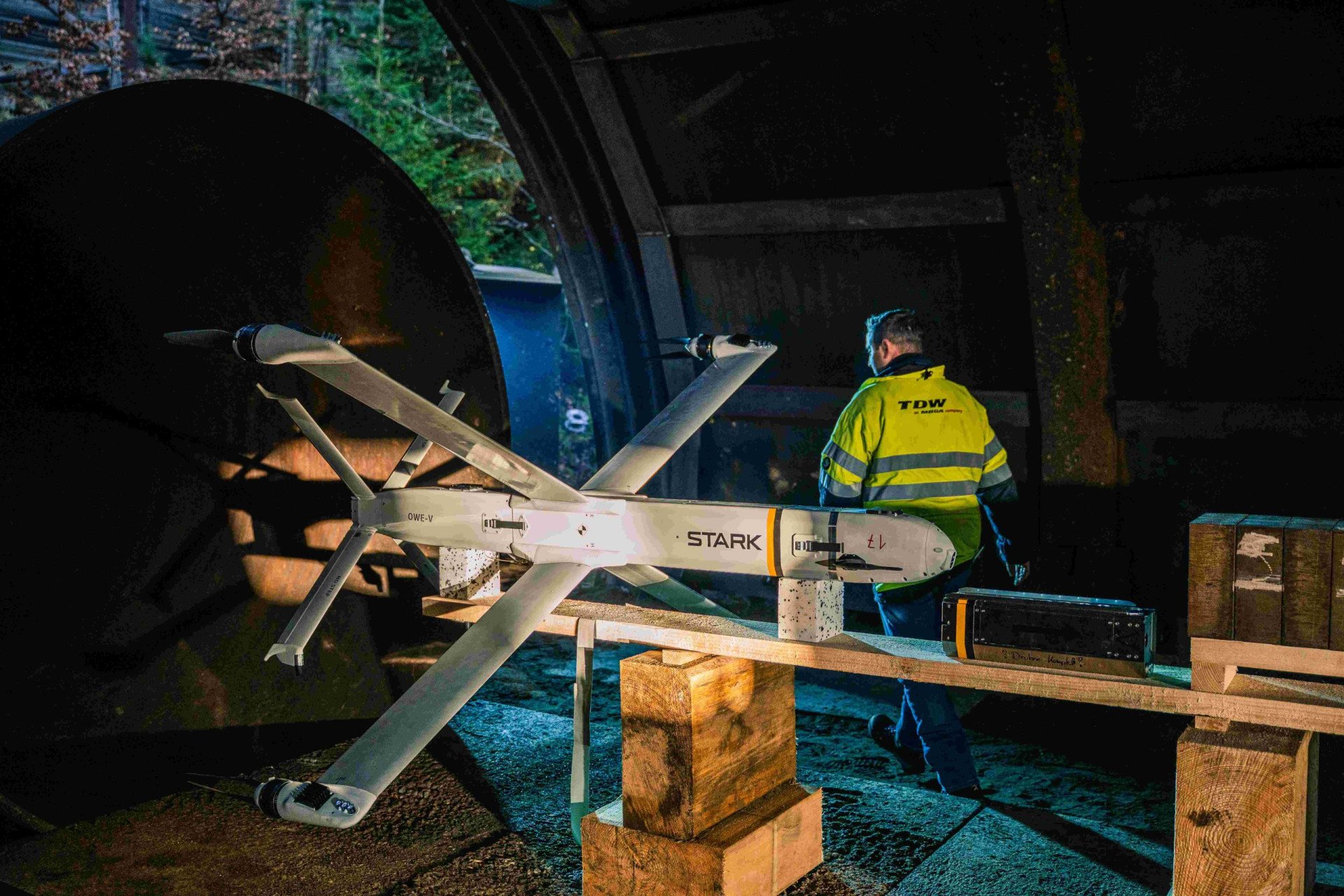
A new European loitering munition with new extreme armor-penetration capability has passed its first live-fire test in Germany—just as Ukraine is already using the system in combat and NATO accelerates plans to mass-produce thousands of such drones.
 Prefer U24 Media on Google
- Authors




German defense companies TDW and STARK have successfully carried out Germany’s first live combat test of the VIRTUS loitering munition equipped with the LION STRIKE 110 (LS110) warhead, marking a major milestone for European and NATO drone warfare capabilities, representatives told UNITED24 Media on December 22.
We bring you stories from the ground. Your support keeps our team in the field.
According to the companies, the test demonstrated a penetration depth exceeding 800 millimeters of rolled homogeneous armor (RHA), placing the system among the most powerful loitering munitions in its class and underscoring its relevance for modern high-intensity warfare.
The successful “hot strike” confirms that Germany’s defense industry can rapidly integrate and field new combat capabilities.
TDW and STARK said the achievement clears the way for delivering thousands of loitering munitions with an integrated German warhead and fuze system by 2027—an important factor for the operational readiness of NATO and allied armed forces.
The LS110 warhead is part of TDW’s new LION STRIKE family and will be available in two main configurations: a dedicated anti-armor variant and a multi-effect version.
The design incorporates tandem-shaped charges, fragmentation jackets, and multiple weight classes, allowing for future upgrades and adaptation to emerging battlefield threats. Company representatives highlighted the warhead’s above-average armor penetration as a key differentiator.
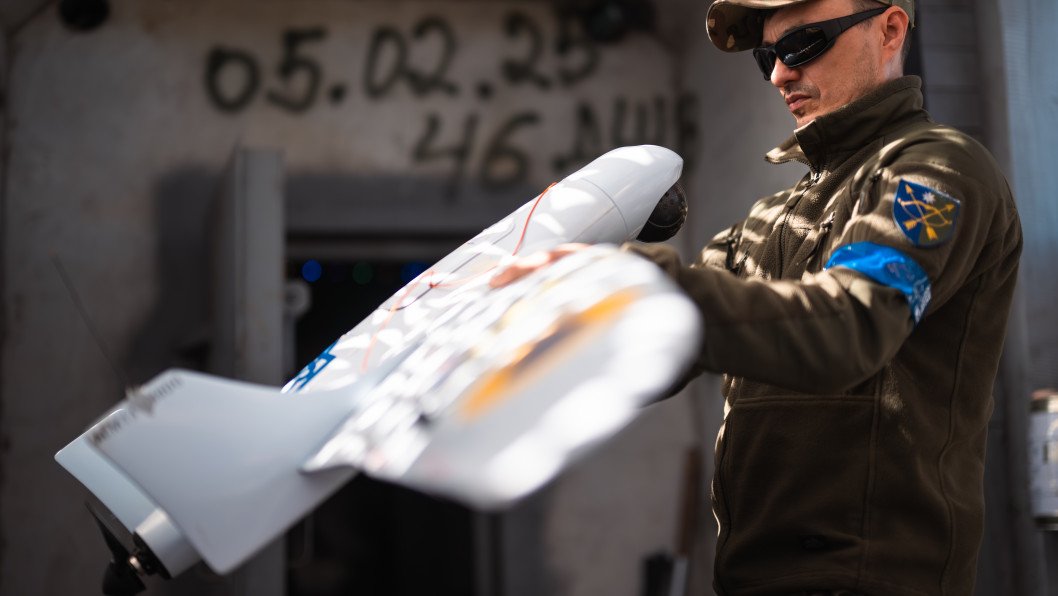
STARK complements the warhead’s performance with a scalable and modular drone platform, designed for precision engagement of both static and moving targets. Together, the two companies say they can offer a flexible system tailored to different tactical requirements.
Commenting on the test, André Schneider, co-founder and board member of STARK, said:
“Today we demonstrated that Germany can deliver. We are providing NATO and Ukraine with a weapon system capable of penetrating even the strongest armor, available in large quantities. This secures core capabilities that Allied Armed Forces and partners urgently need on the modern battlefield.”
Interesting update video regarding the Stark drone that was recently announced!
— Defense Tech for Ukraine (@defensetech4Ukr) May 21, 2025
The Virtus is a loitering munition developed by German startup Stark, based directly on combat feedback from the Ukrainian Armed Forces. Designed for high-speed precision strikes and resilience in… pic.twitter.com/Wevz2diY6x
The rapid pace of development—achieved just months after TDW and STARK signed their cooperation agreement—has been described by the companies as evidence that Europe’s defense industry is operating faster and more decisively under Germany’s Zeitenwende (“turning point”) defense policy.
Importantly, VIRTUS loitering munitions have already been used by Ukraine’s Armed Forces since the summer of 2025, with multiple confirmed strikes against Russian targets.
The drone’s combat debut reportedly took place in the Zaporizhzhia region, where a reconnaissance UAV detected a target and relayed precise coordinates for the strike.
According to STARK Defence, the VIRTUS drone has a cruising speed of around 120 km/h and can accelerate to up to 250 km/h during a dive. It is capable of engaging both stationary and moving targets, with an endurance of up to one hour on battery power.
As production expands, STARK Defence has opened a new manufacturing facility for VIRTUS strike drones in Swindon, United Kingdom.
The 3,700-square-meter plant has already created more than 50 jobs across software development, electronics, manufacturing, aviation operations, and aerospace engineering, with staffing expected to exceed 100 in the future.
🇺🇦 German drone manufacturer Quantum Systems, with aid from Ukraine's 413th Drone Battalion, has completed successful tests of its Stark Virtus Loitering Munition in combination with their Vector Reconnaissance Drone on a Russian target along the Zaporizhzhia front.
— Jeff2146🇧🇪 (@Jeff21461) August 27, 2025
(Video from… pic.twitter.com/dwqRCA4Hva
STARK has also announced a partnership with British engineering firm GreenJets, aimed at integrating advanced launch systems and propulsion technologies into the next generation of unmanned aerial systems.
With Ukraine already using the system in combat and NATO preparing to scale production into the thousands, the VIRTUS loitering munition represents not just a technological breakthrough—but a clear signal that the alliance is moving rapidly to industrialize drone warfare lessons learned on Ukraine’s battlefield.
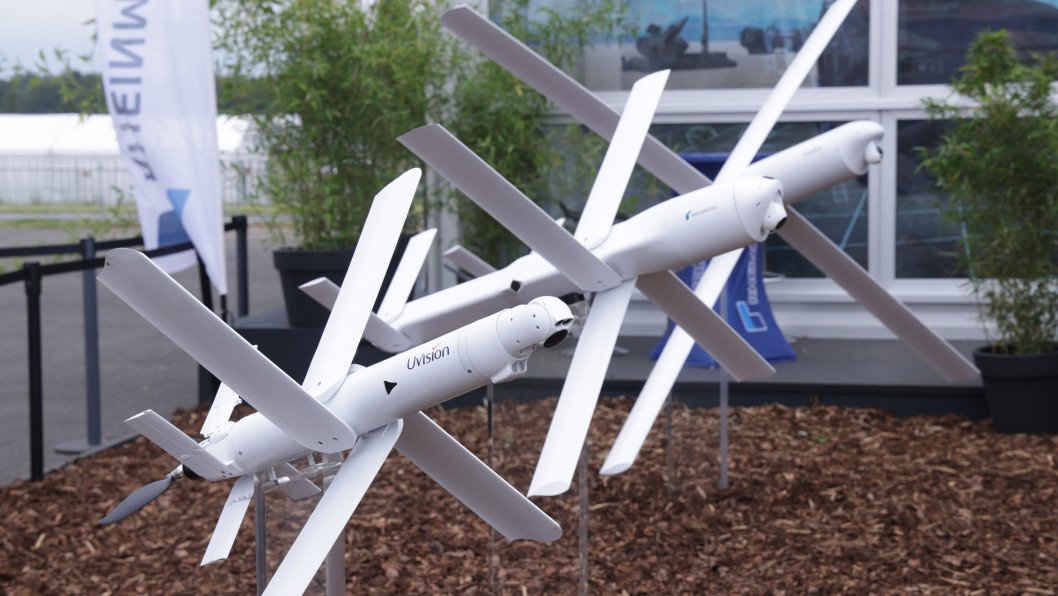
Earlier, German army chief Carsten Breuer said German-made loitering munitions modeled on Russia’s Lancet drone have achieved a hit probability of more than 90% in recent tests, rejecting earlier claims of poor performance and clearing the way for procurement decisions.
Bundeswehr’s Inspector General described a “probability of destroying targets” above 90% for the HX-2 loitering munition, produced by Helsing, and the Virtus system, developed by Stark Defence, both of which are equipped with artificial intelligence for target recognition.
Discuss this article: