- Category
- Latest news
A Year After Ukrainian Drone Strikes, Russia’s Only Fiber Optic Factory Still Isn’t Working
 Prefer U24 Media on Google
- Authors


-72b63a4e0c8c475ad81fe3eed3f63729.jpeg "Photo of Cyril Barabaltchouk")

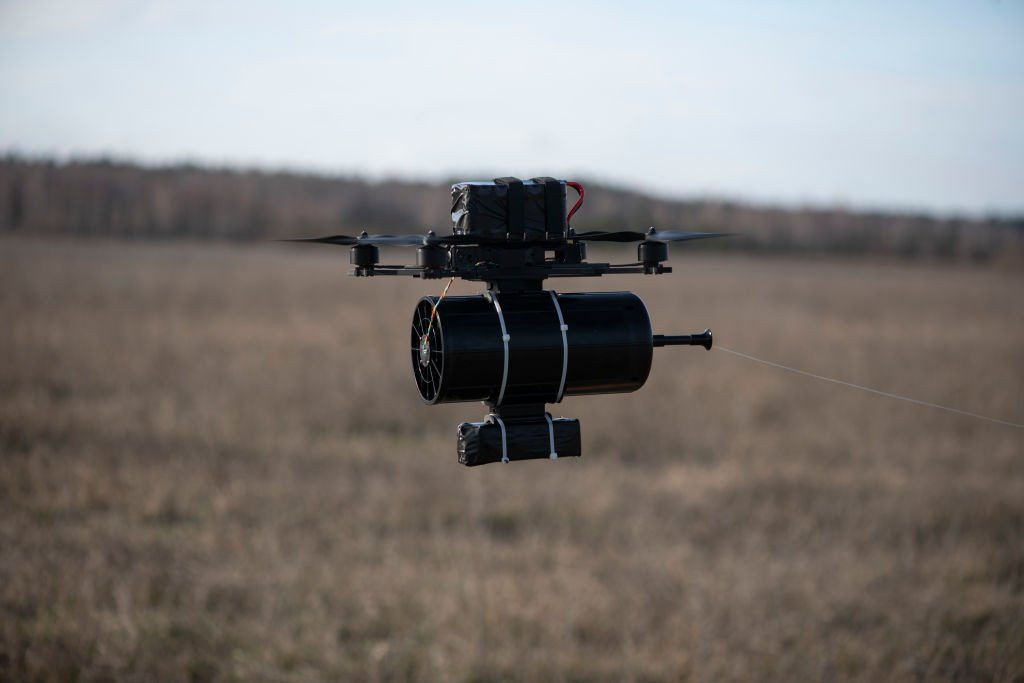
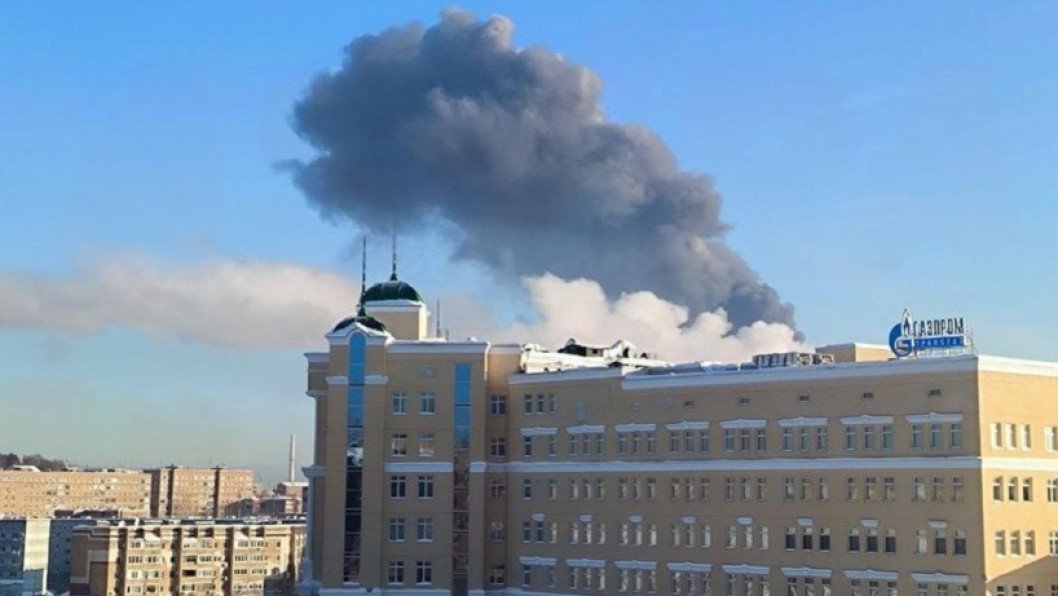
Russia’s sole optical fiber production plant, “Optical Fiber Systems” in Saransk city, has been out of operation since May 2025 due to a series of Ukrainian drone attacks, The Moscow Times wrote on February 26.
The plant, which produced approximately 4 million kilometers of optical fiber annually, has not resumed operations. As a result, Russian manufacturers, including cable plants and the main operator, “TransTelecom,” are now entirely dependent on fiber imports from China.
We bring you stories from the ground. Your support keeps our team in the field.
The disruption has had significant financial repercussions. Chinese suppliers have raised prices for optical fiber by 2.5 to 4 times since 2026, primarily due to increased demand from both Russia and Ukraine, The Moscow Times wrote.
In 2025, the price of fiber in China surged from 16 to 40 yuan (from 2.3$ to $5.8) per kilometer, a sharp increase driven by the rising need for fiber-optic cables in military applications, including drones.
The global shortage of optical fiber, exacerbated by the growing demand for infrastructure needed for artificial intelligence, has pushed Russia to consume 10.5% of the world’s optical fiber output in 2025, up from just 1% before, according to The Moscow Times.
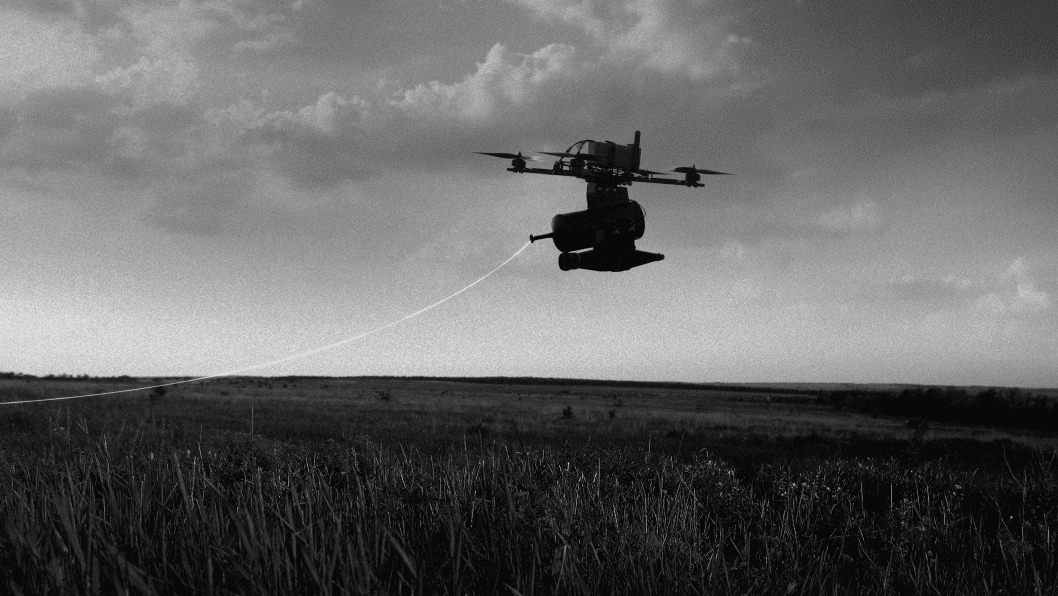
This surge in demand is largely driven by a major tactical shift on the front lines: the mass deployment of fiber-optic suicide drones. Unlike standard drones that rely on radio signals, these weapons unspool a physical, hair-thin optical cable as they fly.
According to The War Zone report this hardwired connection makes them completely immune to electronic warfare (EW) jamming, ensuring uninterrupted control and video feeds.
Because each drone requires its own spool of wire—sometimes up to 30 kilometers long—the rapid proliferation of these weapons by both Russia and Ukraine has created an immense military appetite for optical fiber, severely straining the supply chain.
Despite the higher costs, the increased reliance on Chinese imports is unlikely to reverse the trend.
The primary concern for Russia now is the availability of fiber rather than its cost, with suppliers moving to 100% advance payments. This is expected to raise prices for both the rental of dark fiber and the construction of telecommunication networks in Russia.
Earlier, Ukrainian drones had destroyed a large Russian military warehouse containing thousands of unmanned aerial vehicles and transport equipment during a strike inside Russian territory.
According to reports, the facility was located in Russia’s Kursk region near the border with Ukraine’s Sumy region—an area from which Russian forces have been attempting offensive operations.
Ukrainian reconnaissance identified the site as a major logistics hub where Russian forces had concentrated large quantities of drones, ammunition, related equipment, and light vehicles used by drone crews.
Discuss this article: