- Category
- Latest news
Another MiG-31 Lost: Russia’s Hypersonic Missile Carrier Fleet Shrinks Further
 Prefer U24 Media on Google
- Authors


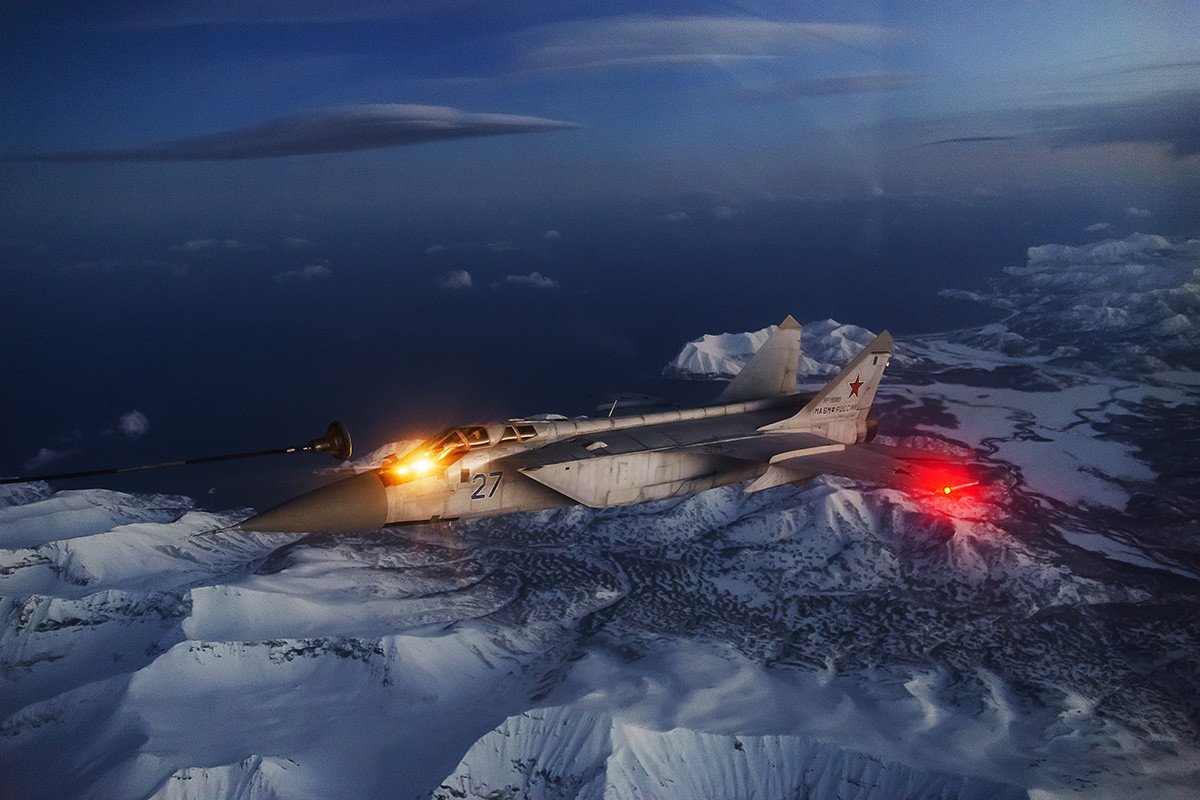
A Russian MiG-31 fighter jet crashed in the Lipetsk region during a landing attempt after a routine training flight, Russian state media TASS reported on October 9, citing the Defense Ministry.
Both pilots managed to eject and were found by rescuers near the crash site. They were hospitalized with injuries of varying severity.
According to officials, the aircraft’s landing gear system failed midflight, causing the MiG-31 to lose control and crash into a wooded area in the Chaplyginsky district.
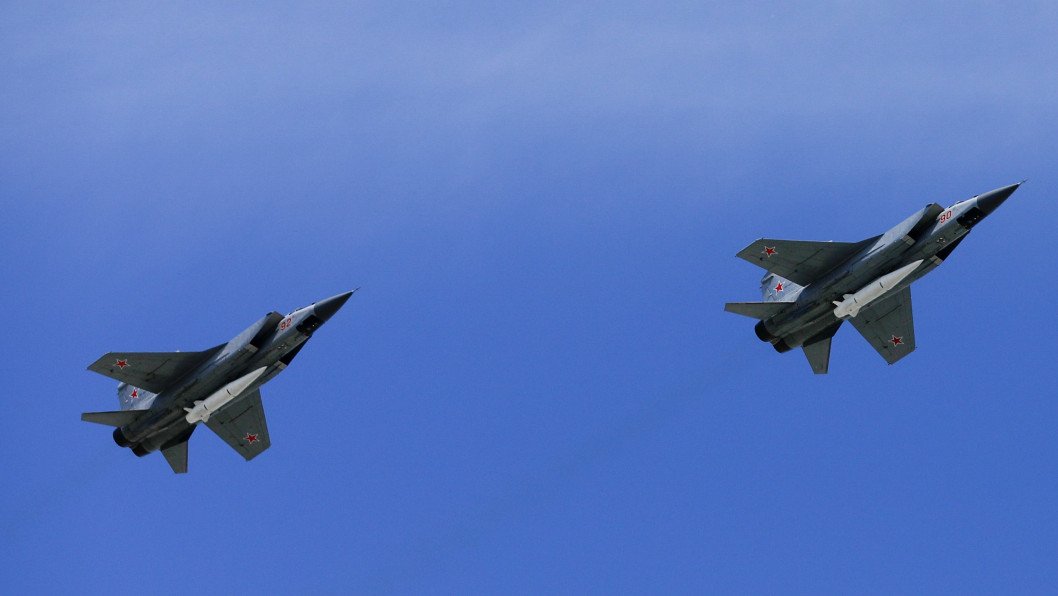
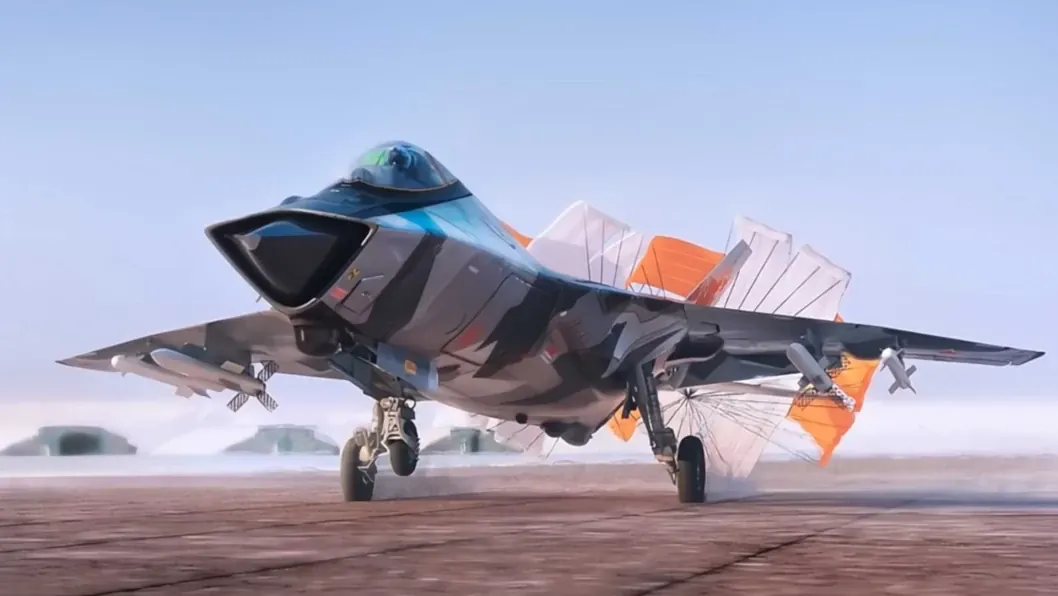
The MiG-31 is a Soviet-designed supersonic interceptor developed in the 1970s and based on the MiG-25. It is built for engaging high-speed aerial targets at long range and altitude. Some variants have been modified to carry Russia’s Kh-47M2 Kinzhal hypersonic missiles.
The fighter’s primary air-defense versions are armed with long-range R-33 and R-37 air-to-air missiles.
Earlier this year, Ukraine’s General Staff reported that its Special Operations Forces struck Russia’s Savasleyka airbase overnight, damaging at least one MiG-31 and one Su-30 or Su-34. Analysts noted that the loss of even a single MiG-31K—Russia’s Kinzhal carrier variant—could have serious consequences.
-8ff74eb427048fb43a21b623ab814c0b.png)
“Russia is incapable of manufacturing new MiG-31K aircraft for Kinzhal deployment, so any loss in this category is especially painful,” said earlier Ukrainian outlet Defense Express.
Russia has attempted to expand its MiG-31K fleet since the start of its full-scale invasion of Ukraine. In 2022, only 12 aircraft were in service, but The Military Balance 2024 estimated the number may have since doubled to around 24.
Reports have also surfaced of newer MiG-31I “Ishim” variants capable of autonomously navigating to Kinzhal launch points, unlike the manually guided MiG-31K. Yet both versions are refurbishments of aging Soviet-era jets, not newly built ones.
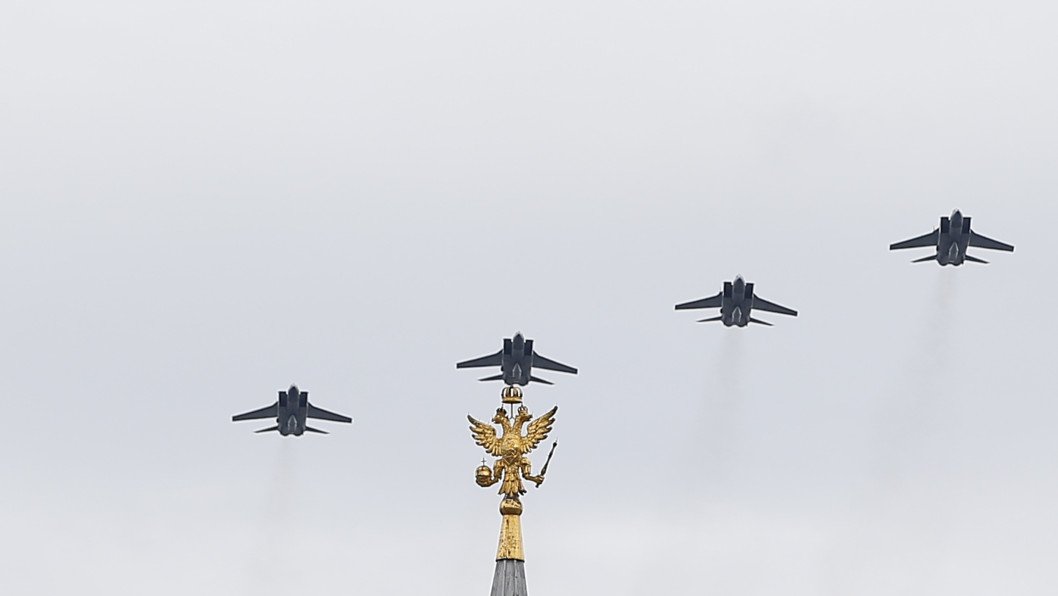
Russia’s stockpile of mothballed MiG-31s—estimated at 130–150 airframes in 2018—has largely been scavenged for spare parts to keep active interceptors flying. By early 2024, Russia had about 90 MiG-31B/BM interceptors in service and another 30 assigned to naval aviation.
But the limits of that fleet are showing. MiG-31s were last produced in 1993, with only around 500 ever built, and fewer than 150 believed to remain operational.
The aircraft’s D-30F6 engines require overhauls every 300 flight hours, and despite past claims of large reserves, Russian officials are now openly discussing the need to restart production.
Earlier, a Russian Su-34 fighter-bomber crashed on July 1 in a forested area near the village of Veletma and the town of Kulebaki in Russia’s Nizhny Novgorod region.
According to the Russian Ministry of Defense, the aircraft went down during a scheduled training mission. Both pilots ejected before impact.
Discuss this article:
-9bd5e1532102621f8fb1c4ba871a3171.png)