- Category
- Latest news
Azov Corps Tracks Up to 2,000 Russian Drones Simultaneously Over Donetsk Region
 Prefer U24 Media on Google
- Authors

-111f0e5095e02c02446ffed57bfb0ab1.jpeg "Photo of Roman Kohanets")
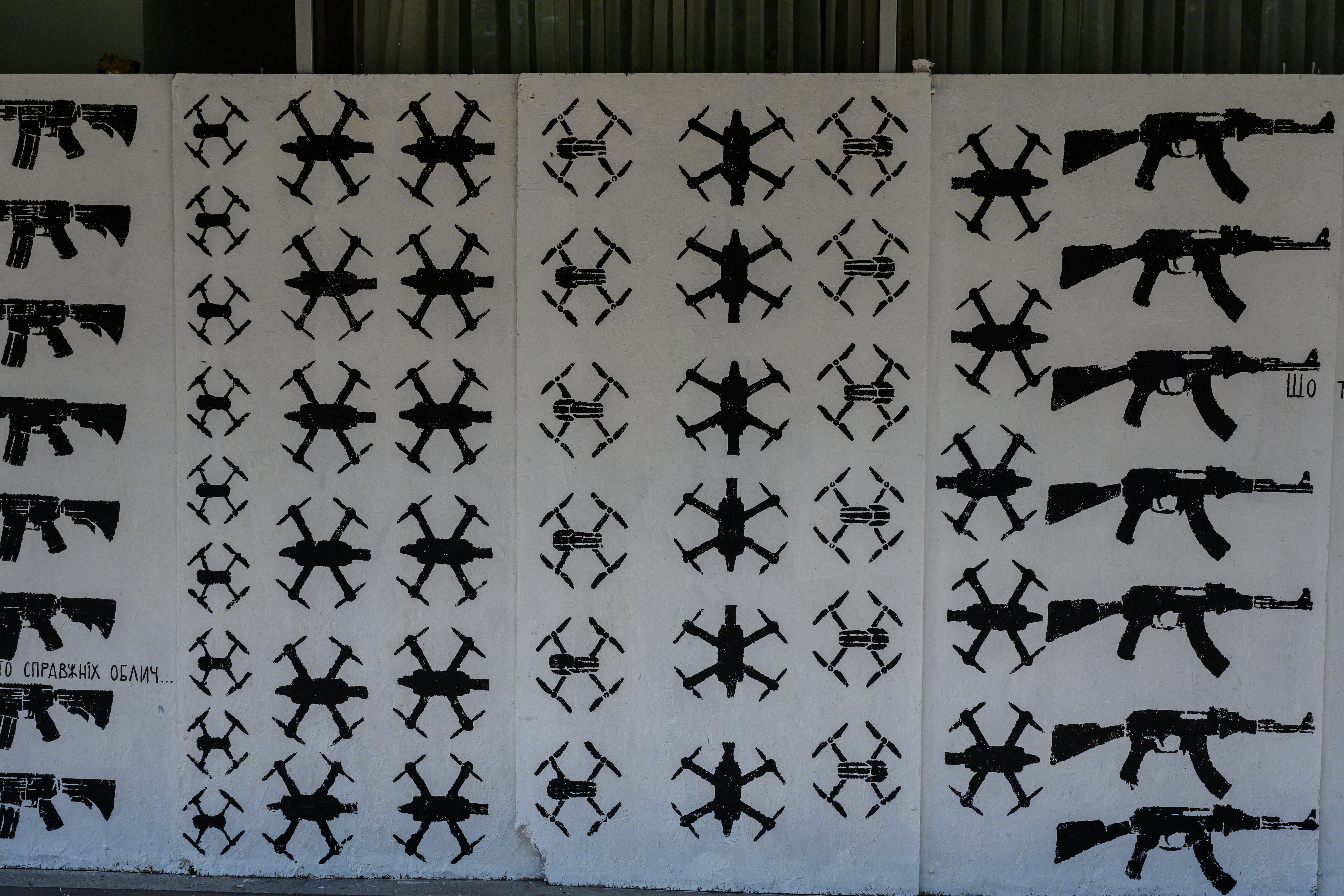
Ukrainian forces can detect up to 2,000 Russian drones in the air at the same time over the Donetsk region in the sector held by the National Guard’s 1st Corps Azov, Ukrinform reported on May 11.
The figure was disclosed by National Guard spokesperson Ruslan Muzychuk. He noted that drone use along the front line had substantially increased, with both sides scaling up unmanned operations throughout the year.
We bring you stories from the ground. Your support keeps our team in the field.
"In the zone of responsibility of our 1st Corps Azov, which is effectively Donetsk region, up to two thousand drones can simultaneously be recorded in the air," Muzychuk stated. He clarified that the figure covers only drones operating on radio frequencies and excludes fiber-optic systems and "waiting drones."
Muzychuk added that National Guard units tasked with detecting and destroying enemy drones have eliminated more than 22,000 Russian unmanned aerial vehicles in nearly two years.
The destroyed systems include Zala, Supercam, and Molniya reconnaissance and strike platforms. He added that Russian forces are also continuing to scale up the use of fiber-optic drones.
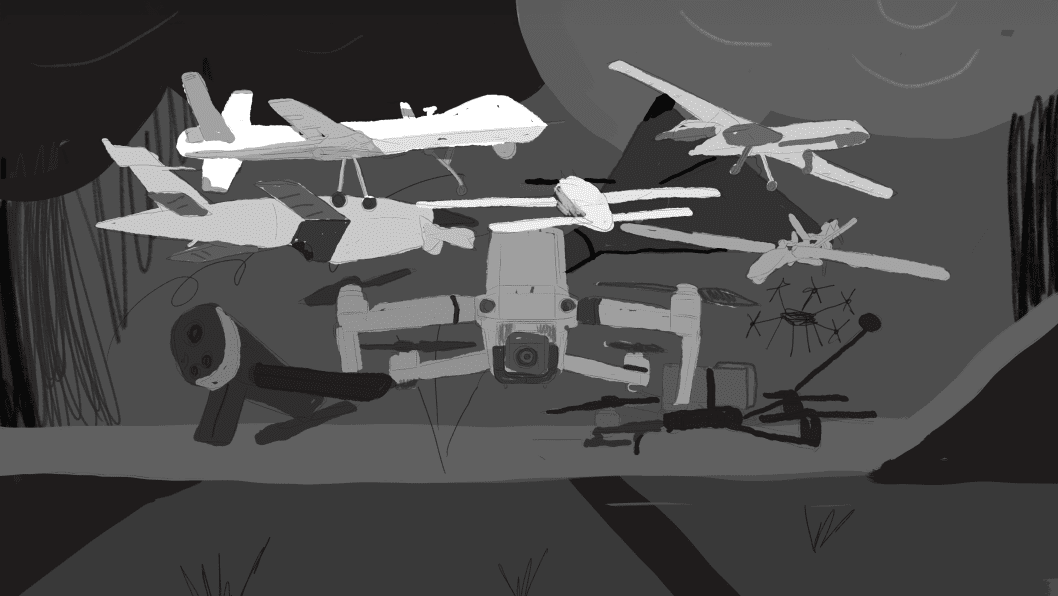
Muzychuk also noted that the disabling of Starlink access on the Russian side had limited the reach of Molniya strike drones into Ukrainian defensive lines. He stated that Ukrainian units continue to conduct active countermeasures despite Russian efforts to expand drone production and deployment.
Beyond intercepting Russian drones overhead, Azov’s units had already deployed AI-enabled Hornet drones against Russian logistics around occupied Donetsk, according to footage cited by BILD. The drones reportedly struck Kamaz and Ural trucks moving along Russian-controlled routes up to 65 kilometers from Ukrainian positions.
Before the strikes, the system reportedly used a multi-stage target identification process, with artificial intelligence helping detect and mark Russian military vehicles.
The Hornet drone was reportedly developed by US-based Swift Beat, owned by former Google CEO Eric Schmidt, as part of the broader Project Eagle initiative.
Discuss this article:
-4a56a6b482ec132402c16ef6fcabf9a2.png)


-c439b7bd9030ecf9d5a4287dc361ba31.jpg "Photo of Katherina Popilnichenko")
-72b63a4e0c8c475ad81fe3eed3f63729.jpeg "Photo of Cyril Barabaltchouk")