- Category
- Latest news
Belarus, Putin's Closest Ally, Scales Down Fuel Shipments to Russia—Just When It's Needed Most
 Prefer U24 Media on Google
- Authors


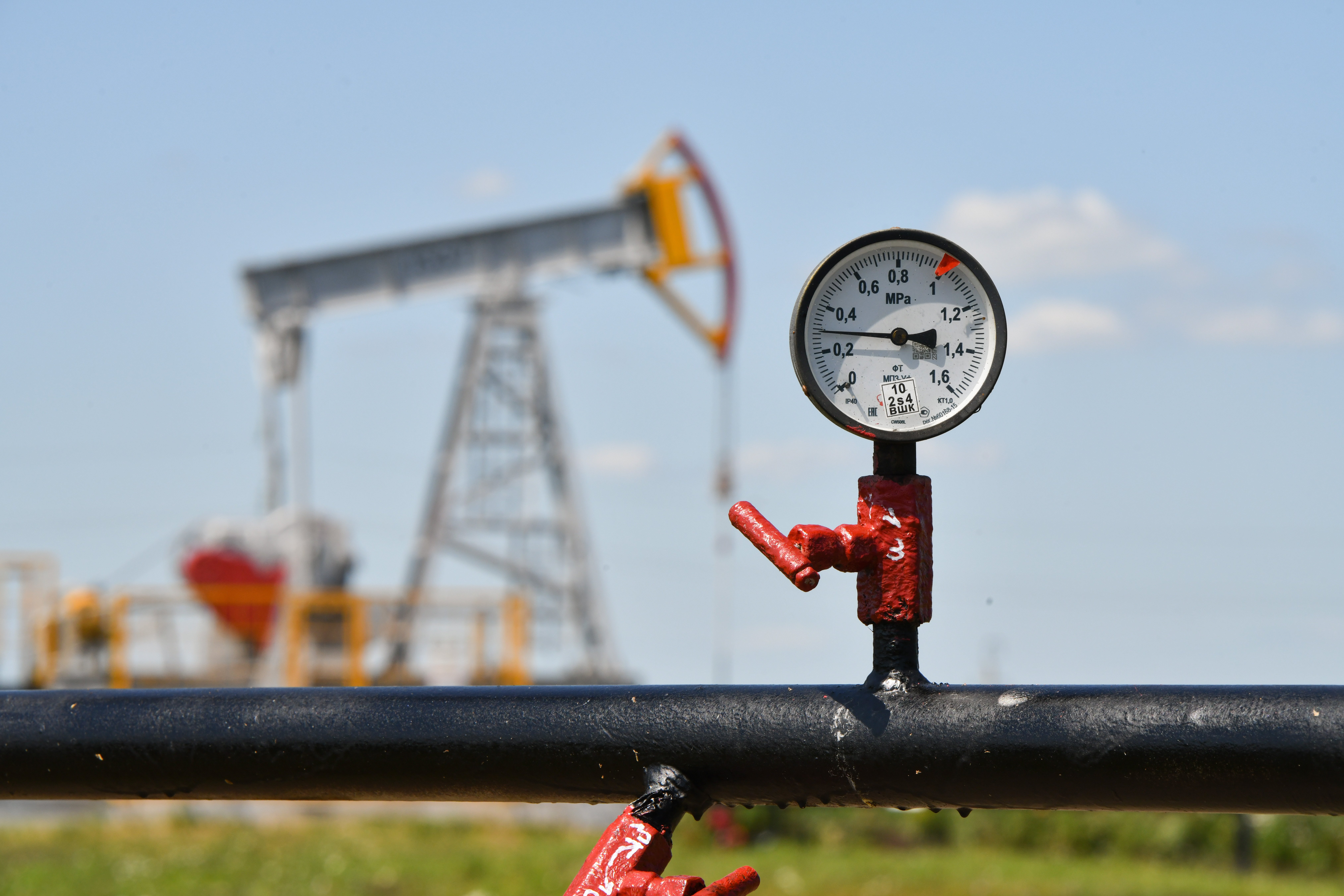
Belarus is treading carefully on fuel exports as Russia grapples with a deepening fuel crisis, choosing instead to prioritize more lucrative markets abroad.
According to Ukraine’s Foreign Intelligence Service on August 25, while Moscow struggles with gasoline shortages and rising prices, Minsk sees greater economic benefit in exporting fuel to China, India, and African countries. There, a ton of gasoline sells for $1,300–$1,900, compared to less than $1,000 offered in Russia.
The Russian fuel crisis continues to intensify. Local authorities have been forced to introduce ration cards, while wholesale gasoline prices have climbed by 8% since early August. Despite Moscow’s export ban, the measures have failed to stabilize the market.

In theory, Belarus could partially cover Russia’s fuel deficit. Demand for Belarusian petroleum products rose in the second half of August. However, the country’s refining capacities remain limited. Belarusian plants produce just 3–4 million tons of gasoline annually, with about 2 million consumed domestically. For comparison, Russia’s monthly demand alone stands at around 3 million tons.
The economic calculations leave Moscow at a disadvantage. Even during the March 2024 fuel crisis, Minsk supplied Russia with only 3,000 tons—a mere 0.1% of Russia’s monthly needs.
Earlier, it was reported that Russian oil refining capacity dropped by over 13% in August after a wave of Ukrainian drone strikes disabled several key facilities, pushing major plants offline.
According to The Moscow Times at least four large refineries have been forced to suspend operations in the past three weeks. Among them was Rosneft’s Novokuibyshevsk refinery, which has an annual capacity of 8.3 million tons and was shut down.
Discuss this article:


-c439b7bd9030ecf9d5a4287dc361ba31.jpg "Photo of Katherina Popilnichenko")