- Category
- Latest news
Bulgaria Deploys NATO’s Most Advanced Anti-Ship Weapons Along Black Sea Coast, Sending a Message to Russia
 Prefer U24 Media on Google
- Authors


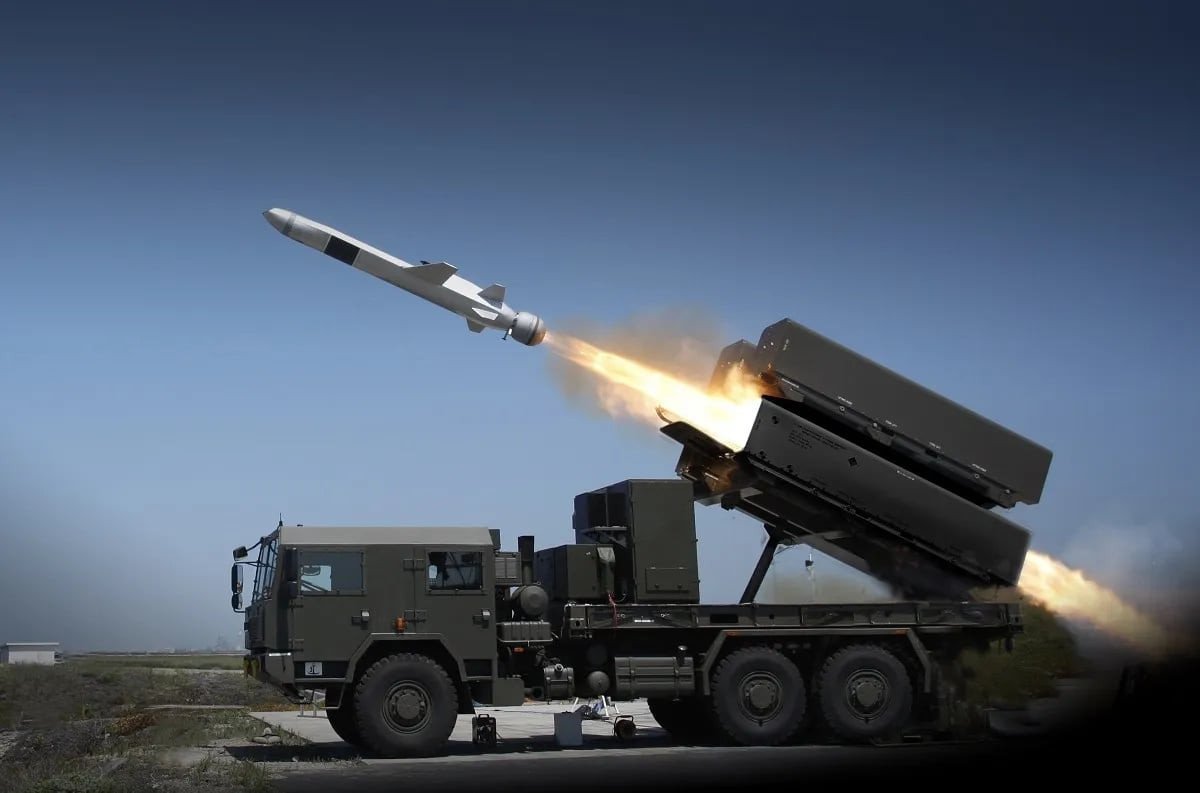
The US approved a potential Foreign Military Sale to Bulgaria of a Naval Strike Missile Coastal Defense System (NSM CDS), estimated at $620 million, the Department of State reported on July 21.
The proposed deal is designed to enhance Bulgaria’s maritime defense capabilities and improve its integration with NATO forces amid heightened tensions in the Black Sea region.
According to the State Department, the sale supports US foreign policy and national security objectives “by improving the security of a NATO Ally that is an important force for political and economic stability in Europe.”
The department also noted that the transfer would not alter the regional military balance and that Bulgaria is expected to integrate the system without difficulty.
The NSM CDS, developed by Norway’s Kongsberg Defence & Aerospace, is a highly mobile, surface-to-surface missile system capable of planning and executing up to 48 simultaneous missile strikes. It uses advanced targeting and coordination methods such as salvo firing and synchronized time-on-target attacks.
Bulgaria has requested a complete system package, which includes tactical Naval Strike Missiles, inert and telemetered test missiles, Link-16 communications systems, mobile fire control and launcher vehicles, NSM transport loaders, GPS receivers, training systems, spare parts, and a range of technical and integration services.
The principal contractor will be Kongsberg, with US government and contractor personnel expected to remain in Bulgaria for up to five years for implementation and support.
The Naval Strike Missile represents a significant technological leap for Bulgaria, replacing outdated Soviet-era 4K51 Rubezh missile systems.
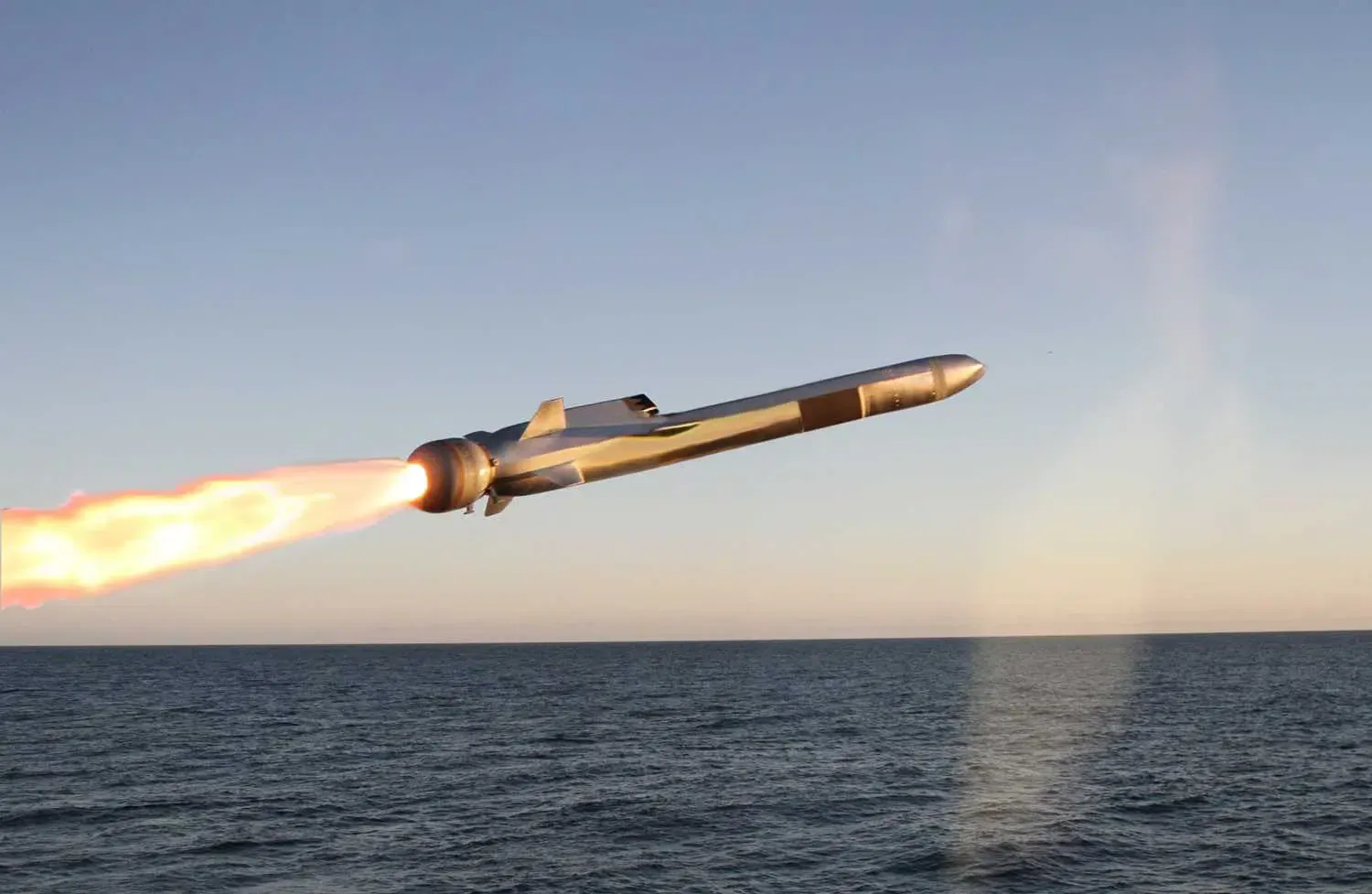
The NSM offers over-the-horizon targeting with a range exceeding 185 kilometers (and up to 555 km with future variants), stealthy flight profiles, sea-skimming capability, and precision strike capacity against both naval and land targets. It is guided by a combination of GPS-aided inertial navigation, terrain contour matching, and an infrared seeker with autonomous target recognition.

Strategically positioned along nearly 380 kilometers of Black Sea coastline, Bulgaria plays a critical role in NATO’s southeastern defenses.
Ports like Varna and Burgas are essential for trade, energy, and military mobility—yet remain vulnerable to electronic warfare, mine-laying, and hybrid naval threats. By introducing modern, mobile, and networked NSM systems, Bulgaria strengthens its ability to deter hostile actions and safeguard critical infrastructure and sea lanes governed under the Montreux Convention.
The new NSM Coastal Defense System includes three main components: the Fire Control Center (FCC), missile launcher units, and optional tracking radar.

The FCC, based on the widely used Kongsberg FDC system, supports integration with NATO tactical data links like Link 16, Link 11, and JREAP, providing Bulgaria full interoperability with allied command and control networks.
The missile itself is a 407-kg precision weapon with a titanium-cased 120-kg warhead, capable of defeating both hardened sea targets and land-based installations. Its programmable fuse and advanced flight maneuvers make it particularly resistant to interception.
Used by US forces in the NMESIS system and fielded by Poland, Romania, and other NATO countries, the NSM has become a cornerstone of modern coastal defense.
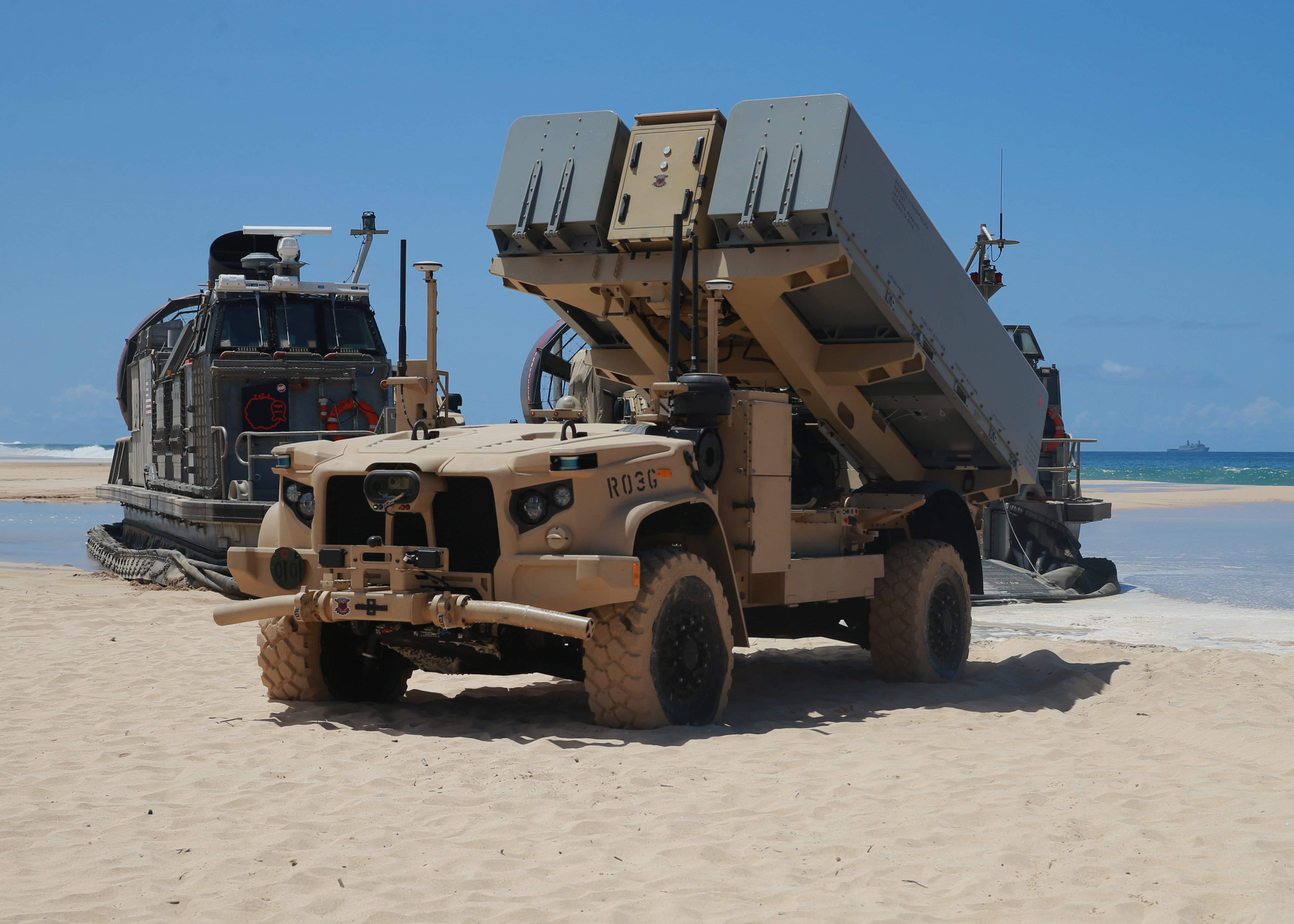
The US Marine Corps plans to deploy over 260 NMESIS units by 2033. Australia will begin local production in 2027, and European allies like Spain, Germany, and the Netherlands are exploring additional variants, including submarine-launched Joint Strike Missiles (JSMs).
Earlier, reports emerged that Russia formally launched the first of its new Project 11711M “Kaiman” amphibious assault ships in an attempt to replenish severe losses in the Black Sea—yet the launch appears more symbolic than operational.
Discuss this article: