- Category
- Latest news
Canada Signals First Shift From US Fighter Jets Since 1946 With New Sixth-Gen Tempest Program
 Prefer U24 Media on Google
- Authors


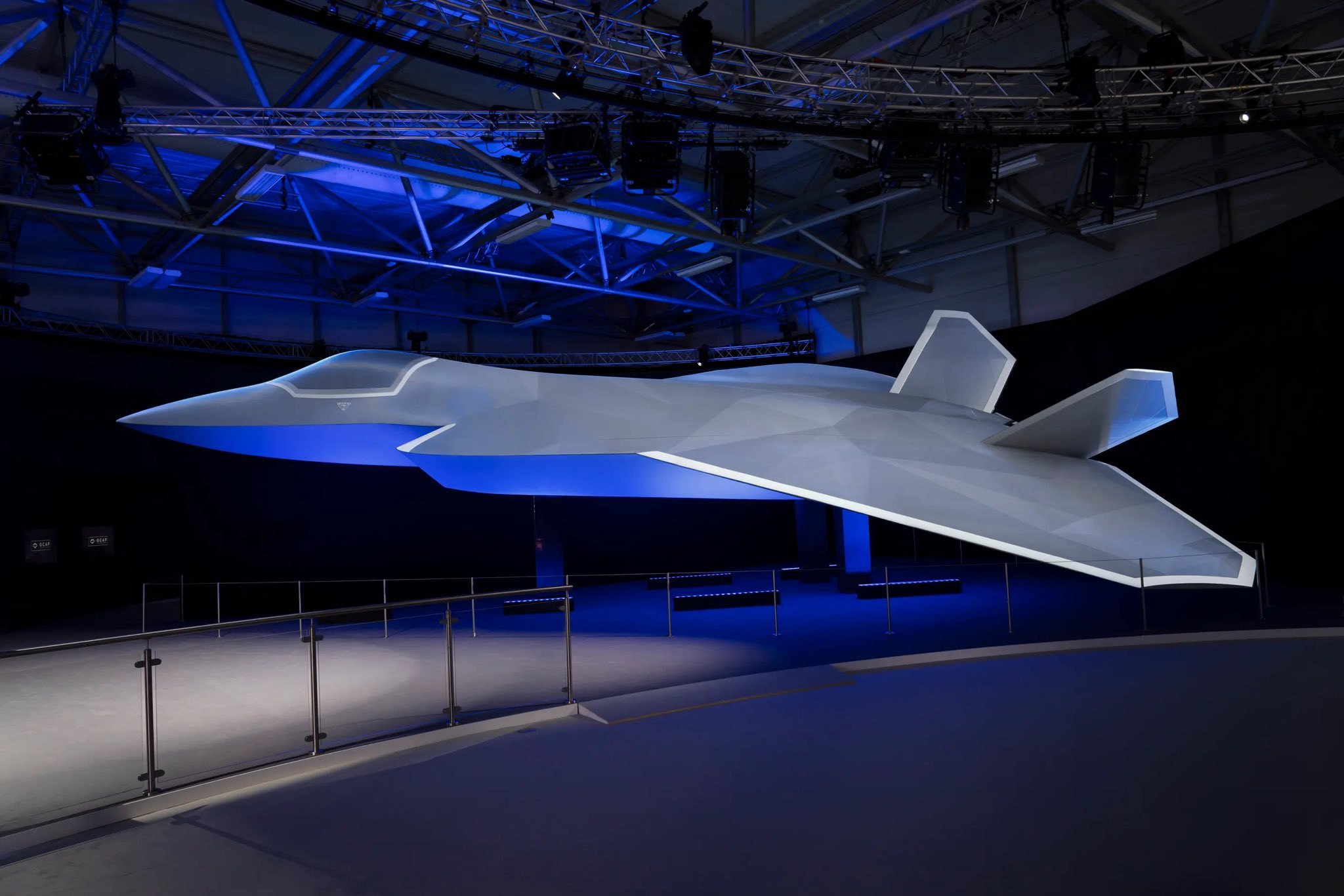
Canada is preparing to join the Global Combat Air Programme (GCAP), the multinational effort led by the United Kingdom, Italy, and Japan to develop the sixth-generation Tempest fighter jet, in what could mark a long-term shift in Ottawa’s defense strategy.
We bring you stories from the ground. Your support keeps our team in the field.
According to Asahi Shimbun on April 2, discussions on Canada’s participation have already taken place at the ministerial level, including talks between the defense ministers of Japan and Canada during an official visit in early March.
The report, citing government sources, indicates that a formal announcement could follow a planned multilateral meeting in July involving GCAP partner countries.
Delivering crucial defence capability for a safer tomorrow ✈️
— BAE Systems Air (@BAESystemsAir) June 19, 2025
Tempest, the UK's future combat aircraft, is being designed to tackle complex and fast-changing global threats faced.
See the latest on technologies being developed across the programme 👇 https://t.co/SvYClMMVii pic.twitter.com/EVVeFWaszB
Canada is expected to initially join the program as an observer. This status would not grant direct involvement in development but would provide access to selected technical data and allow Ottawa to consider future procurement of the aircraft.
The report notes that observer status could later evolve into full participation, potentially including contributions to design, production, or system integration.
The GCAP initiative aims to field a sixth-generation fighter by 2035. The program is already backed by significant financial commitments, with Italy’s share alone estimated at €18.6 billion, according to publicly available budget documents.
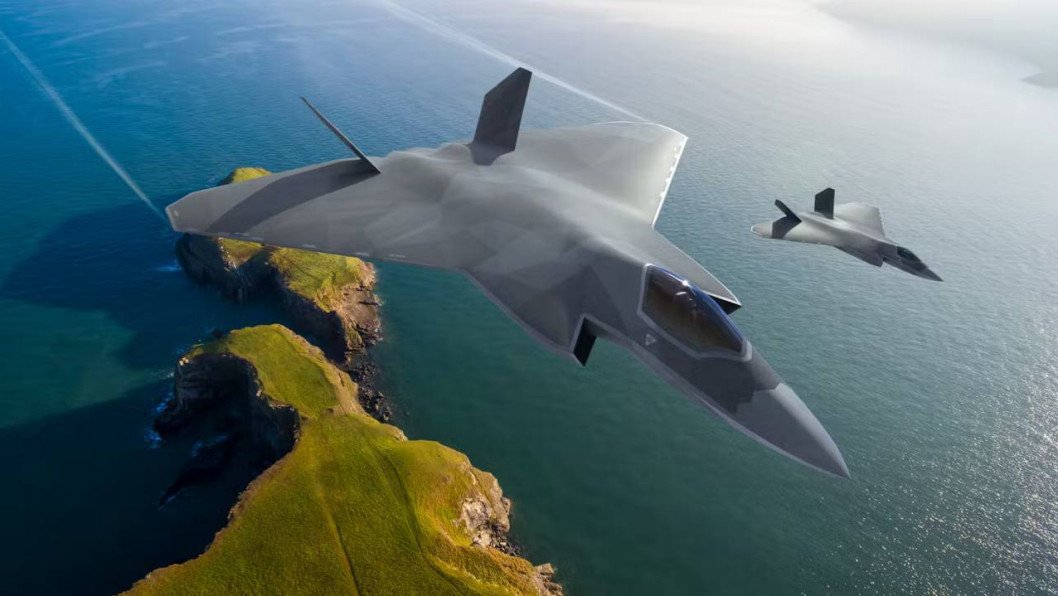
Participation would require long-term investment and alignment with the program’s technological roadmap.
According to Defense Express on April 2, Canada’s interest in GCAP reflects broader considerations about defense autonomy and diversification of military procurement.
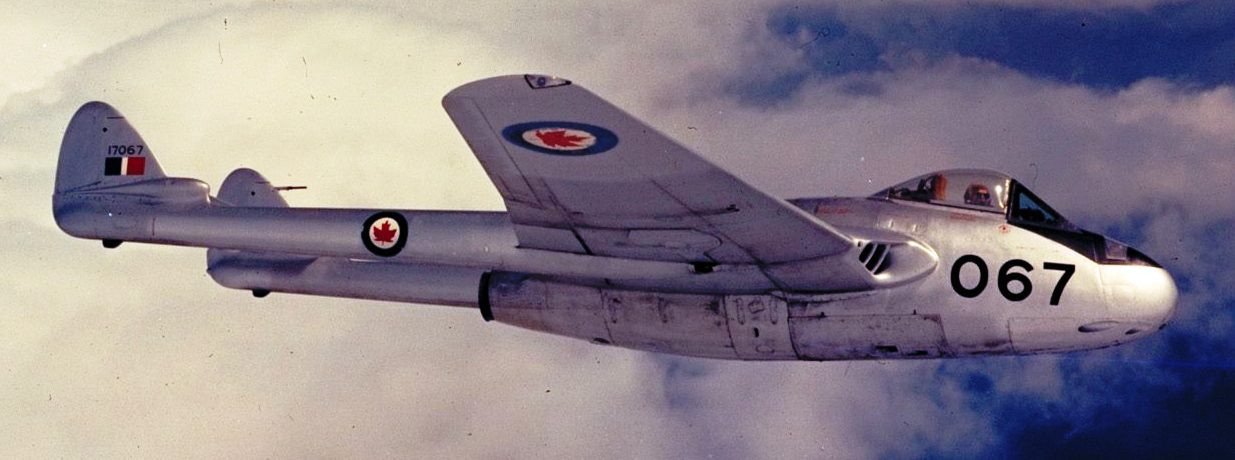
The outlet notes that Canada has relied almost exclusively on US-origin fighter aircraft since the late 1940s, following the acquisition of British-built de Havilland Vampire jets in 1946.
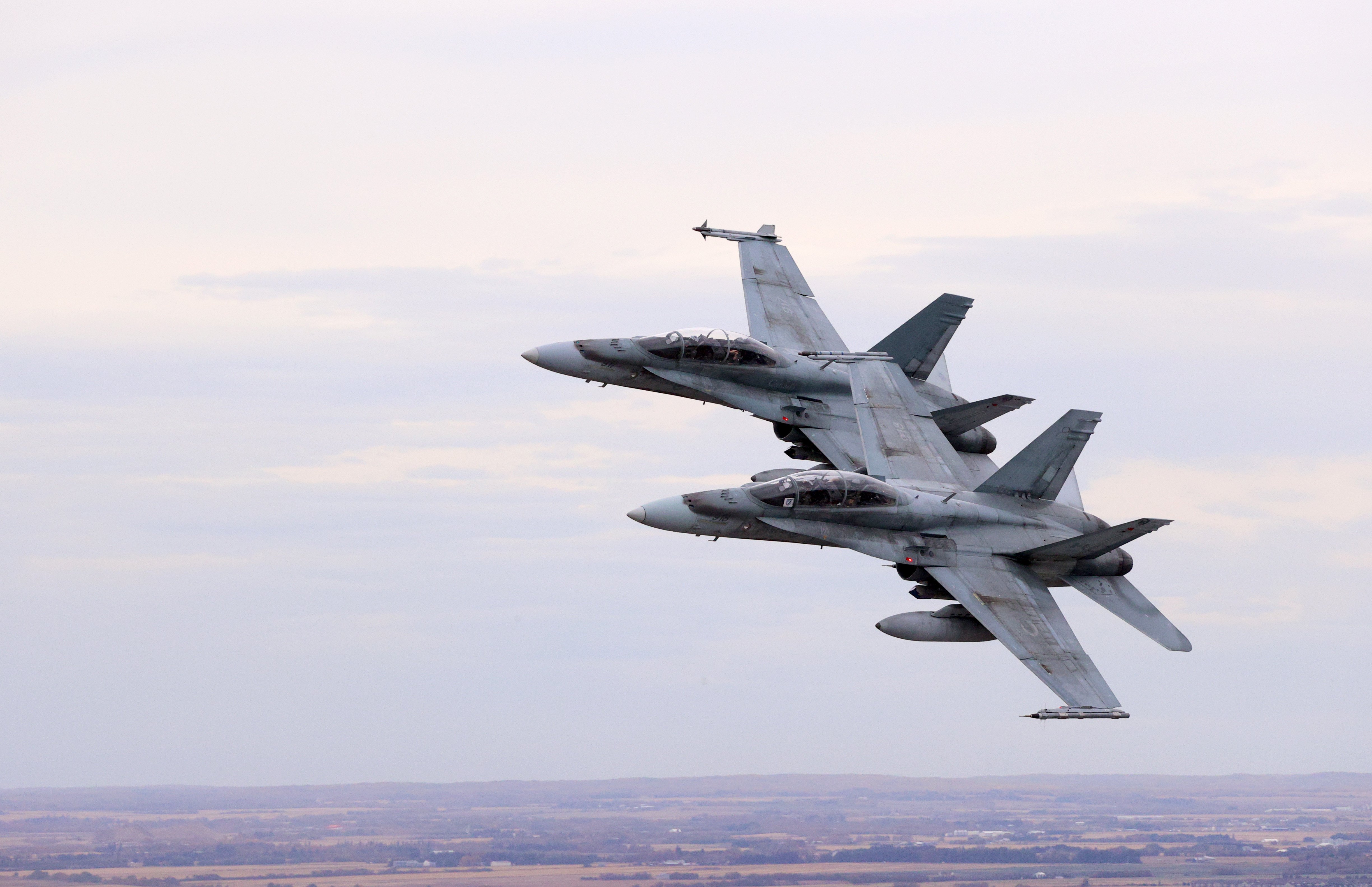
Subsequent generations of Canadian fighters—including the F-86 Sabre, F-104 Starfighter, F-101 Voodoo, and the current CF-18 Hornet fleet—have all been sourced from the United States, often with local production arrangements. In 2023, Canada ordered 88 F-35 aircraft to replace its aging CF-18 fleet.
However Ottawa may not fully transition to the F-35 as its sole future platform. The report notes that Canada could limit procurement to an initial batch while considering alternative aircraft, including Sweden’s Gripen, as part of a broader fleet structure.
If Canada proceeds beyond observer status in GCAP, Tempest could become a core component of its air force in the 2040s. According to Defense Express, such a move would represent a departure from decades of reliance on US fighter platforms and could reduce long-term dependency on American defense systems.
The Tempest program has also attracted interest from other countries. Poland is exploring potential participation, reflecting growing international attention to the project as an alternative to US-led next-generation fighter initiatives.
Earlier, NATO reported that Europe and Canada increased defense spending by 19% in 2025, reaching $574 billion, as all 32 member states met the alliance’s 2% GDP target amid ongoing security challenges.
Discuss this article:
-9a7b3a98ed5c506e0b77a6663f5727c5.png)