- Category
- Latest news
Ceasefire Window? Russia And Iran Rush Cargo Fleet Through Caspian Sea
 Prefer U24 Media on Google
- Authors


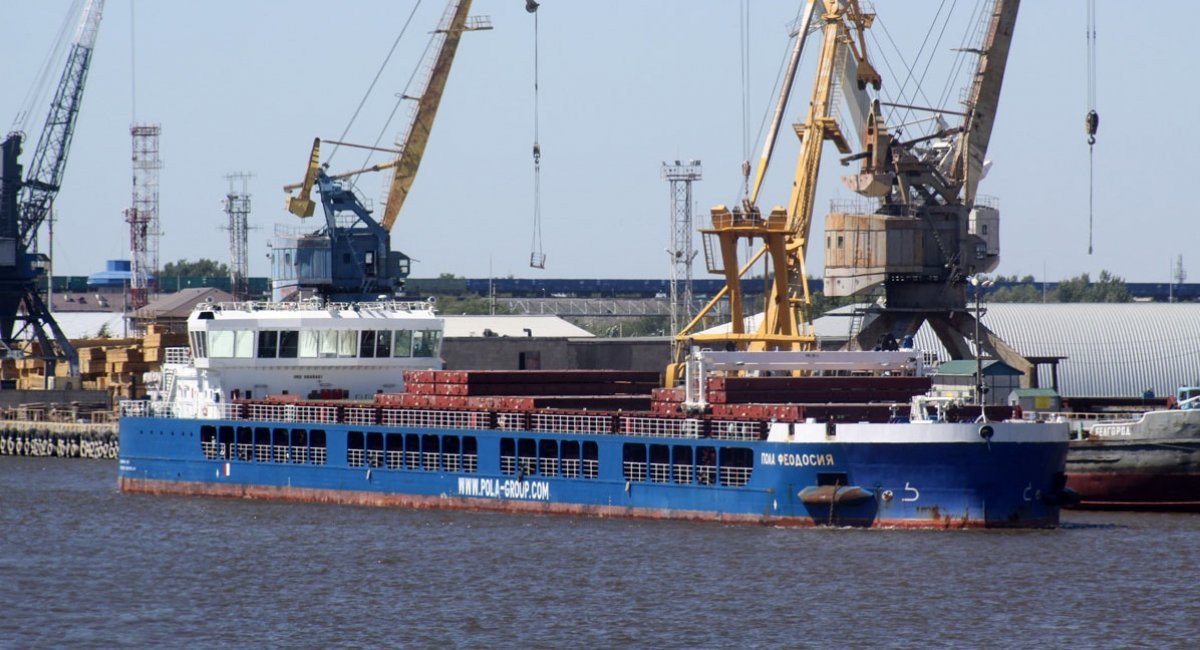
Russia and Iran have significantly increased maritime activity in the Caspian Sea following the announcement of a ceasefire between the United States and Iran on April 7, with multiple Russian cargo vessels gathering at Iran’s key port.
We bring you stories from the ground. Your support keeps our team in the field.
According to Defense Express on April 10, the surge in shipping activity was identified using maritime tracking data analyzed by OSINT researcher Cecilia Sykala, who highlighted a sharp rise in vessel concentration shortly after the ceasefire took effect.
1/2
— Cecilia Sykala (@CeciliaSykala) April 8, 2026
The Caspian Sea has an increased amount of shipping RUSHING towards & from IRAN, since the ceasefire.
Shipping slowed down after attacks on 1 of the ports.
Russian & Iranian Oil Tankers & Cargo ships.
The oil & Weapon Trade, Shahed drones to Russia. https://t.co/vVvhqxwm3b pic.twitter.com/vAxgB9GYmA
Data cited by Defense Express indicates that several Russian dry cargo ships are currently located in or near the Iranian port of Amirabad, one of the country’s main Caspian Sea hubs.
Among the vessels docked at the port are “Pola Yaroslava,” “Pola Feodosia,” and “Baku Breeze.” Additional ships, including “Pola Sofia,” “Valentin Emirov,” “Kalitva,” “Omskiy 109,” and “Pano 05,” are reported to be anchored offshore, while “Port Olya 2” is approaching the port.
The report also notes the presence of Iranian vessels and tankers, as well as ships not transmitting identification data.
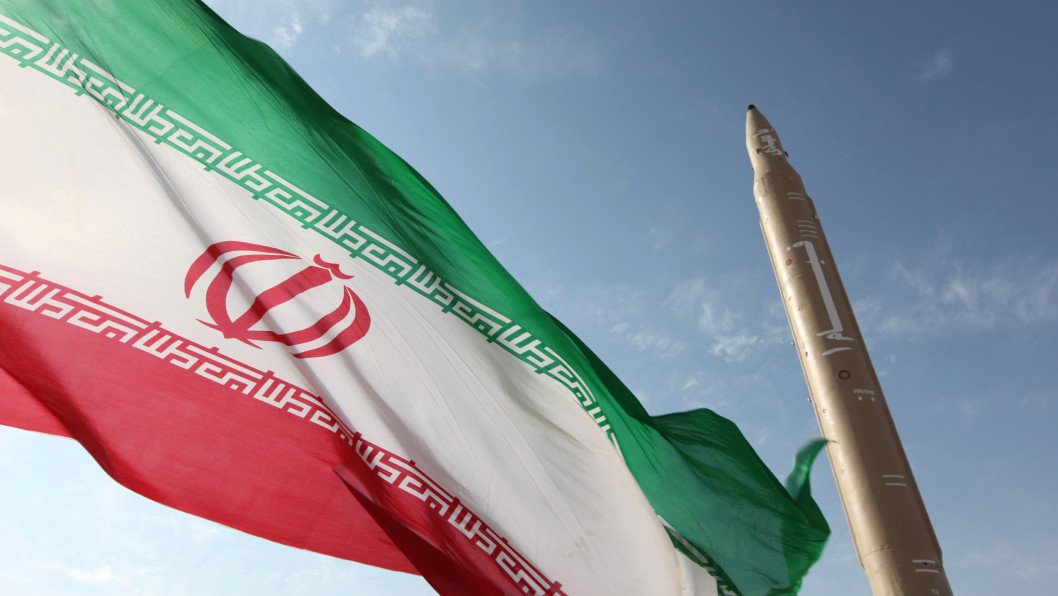
According to Defense Express, several of the identified vessels have previously been linked to military logistics. Ships operated by the Russian company Pola Rise, including those under the “Pola” name, are under US and Ukrainian sanctions.
The vessel “Port Olya 2,” along with other ships operated by MG-Flot such as “Valentin Emirov,” has reportedly been involved in transporting military cargo.
The outlet also notes that related vessels have been used in prior transfers. The cargo ship “Port Olya 4” was destroyed by Ukrainian forces in August 2025 while reportedly transporting Shahed-136 drones, related components, ammunition, and other weapons from Iran to Russia.
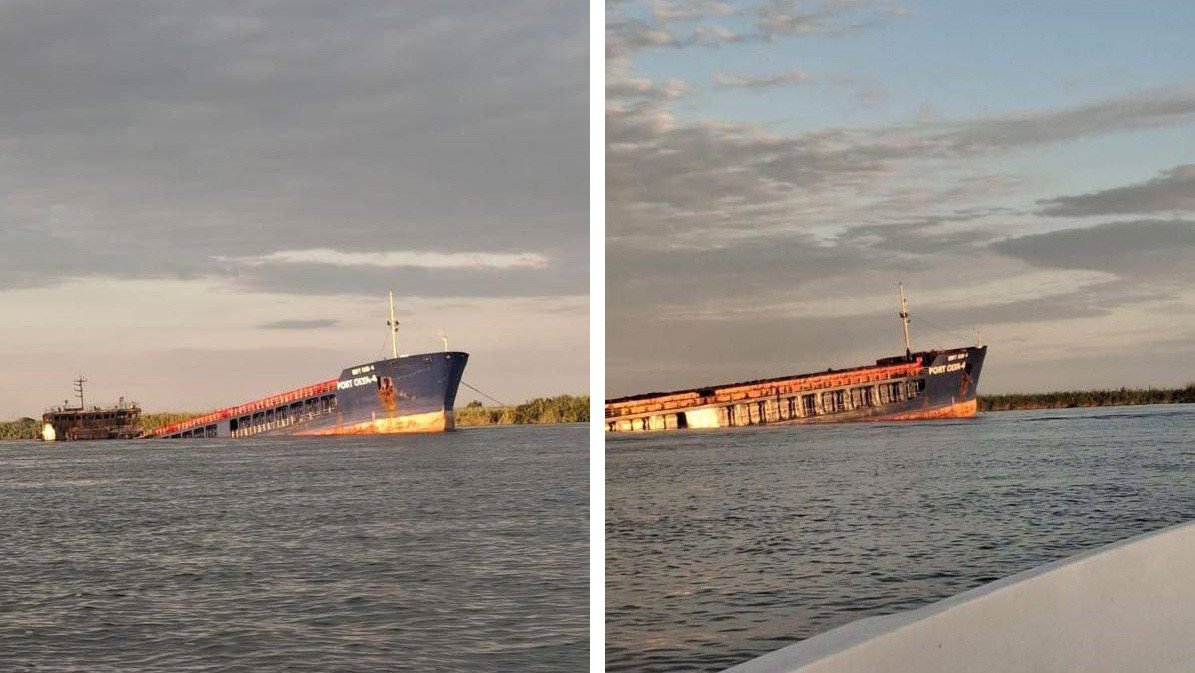
Ships from the “Omskiy” series have also been associated with ammunition deliveries, while vessels under the “Pano” designation have been linked to the transport of grain taken from temporarily occupied Ukrainian territories.
According to Defense Express, the concentration of vessels in Amirabad may also be influenced by recent damage to other regional infrastructure. The Iranian port of Bandar Anzali, located on the Caspian Sea, was reportedly struck by Israel on March 18, leaving Amirabad as one of the few remaining operational large ports in the area.

While the exact cargo of the current shipments remains unconfirmed, Defense Express reports that the pause in US strikes could provide an opportunity for Tehran to receive or transfer military equipment via maritime routes.
Potential cargo could include air defense systems, portable surface-to-air missiles, or components used in the production of long-range drones and ballistic missiles.
Earlier, according to Financial Times on March 26, Russia began supplying Iran with attack drones—likely upgraded Geran-2 variants based on the Iranian Shahed-136—marking a reversal in their military relationship, alongside reported transfers of satellite intelligence and other support.
Discuss this article:
-9a7b3a98ed5c506e0b77a6663f5727c5.png)

-f1e0a0eb8dc4159d1ee6f9483ef88571.jpg "Malambahe Sabtar Sabanal, a Philippine national identified by Ukrainian military intelligence as a Russian military recruit who was killed during assault operations in the Donetsk region. (Source: HUR)")


-72b63a4e0c8c475ad81fe3eed3f63729.jpeg "Photo of Cyril Barabaltchouk")