- Category
- Latest news
China Eyes Space-Based Solar Power for Potential Military and Electronic Warfare Use
 Prefer U24 Media on Google
- Authors

-c439b7bd9030ecf9d5a4287dc361ba31.jpg "Photo of Katherina Popilnichenko")
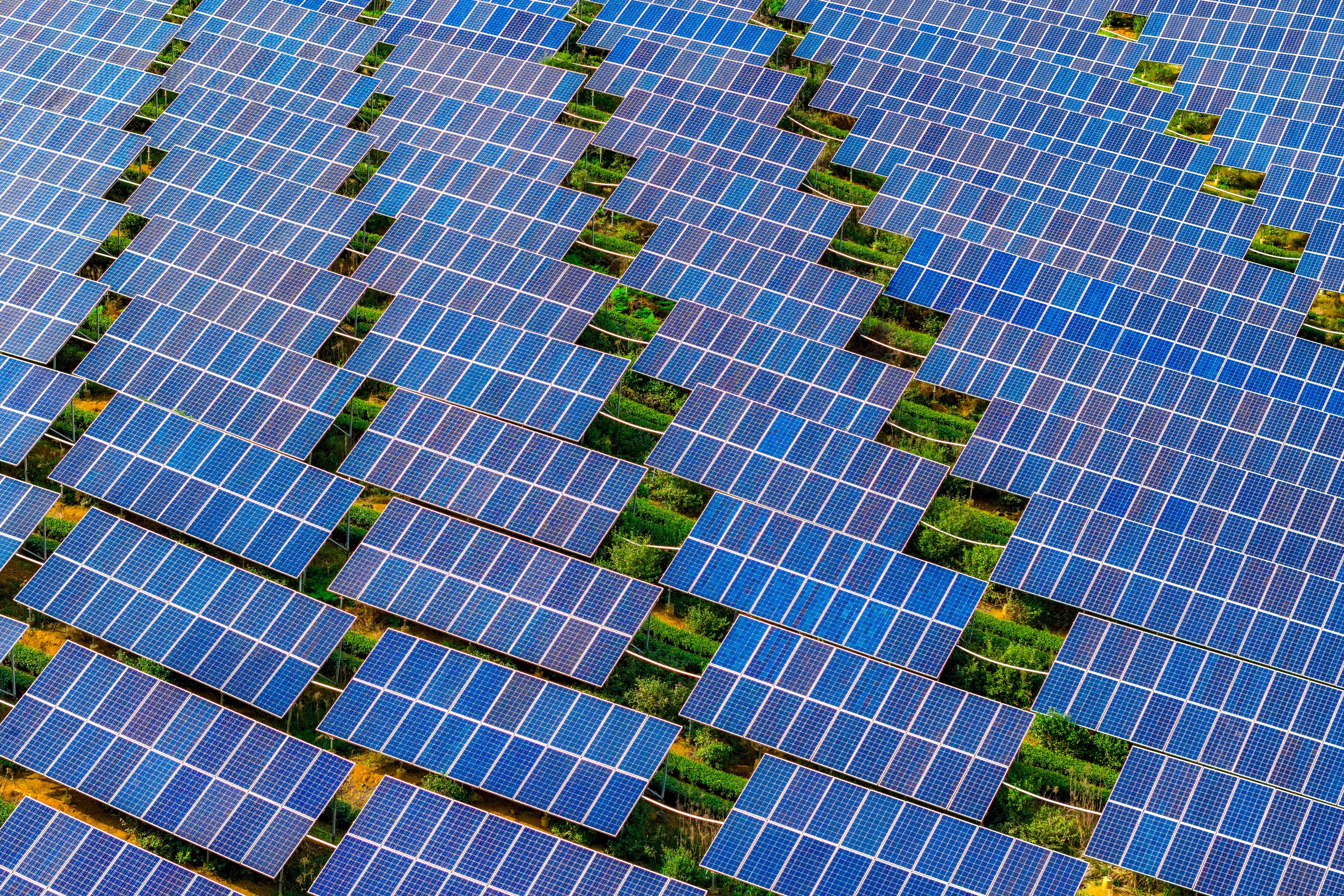
China is advancing plans for a space-based solar power station that could serve both civilian and military applications.
New updates to the project suggest that the future orbital station could function as an electronic warfare tool, according to NV on April 6.
We bring you stories from the ground. Your support keeps our team in the field.
Duan Baoyan, a professor at Xidian University and a lead architect of the Zhuri initiative, also known as Sun Chase, recently presented a modernized design for the system.
The updated architecture indicates that the system will be capable of handling several extra tasks alongside sending energy back to Earth. In a recent report, the scientist noted that the system will be able to perform duties "such as communication, navigation, intelligence, interference and remote control." This versatility expands the scope of the project beyond simple energy production.
The Space-Based Solar Power Station (SSPS) is designed to collect sunlight in orbit and direct it toward ground receivers using powerful microwave beams.
This specific capability may turn the station into a potential weapon. In theory, the Chinese military could point these beams at foreign communication systems to jam signals or use them to secure their own networks.
Space-based stations hold a significant advantage over facilities on the ground because the sun shines constantly in orbit. This allows for continuous energy collection regardless of weather conditions or the time of day. China is also exploring further ambitious space projects, including a potential space aircraft carrier and a nuclear reactor on the Moon by the 2030s.
The United States is also working on wireless energy transmission from orbit. NASA is developing its own modular station concept, while the California Institute of Technology launched a working prototype last year.
The European Space Agency is conducting similar research. However, every nation faces the same major obstacles, such as the difficulty of building kilometer-long structures in orbit and managing beams over tens of thousands of kilometers.
Previously, China and Russia planned a nuclear-powered lunar base as part of their ambitious space collaboration. The project aimed to provide energy for the International Lunar Research Station (ILRS) and was discussed during a presentation by the chief engineer of China’s Chang'e-8 mission.
Russian space agency Roscosmos previously announced intentions to build a nuclear reactor on the moon’s surface by 2035 in partnership with the China National Space Administration.
Chinese officials noted that Russia held a natural advantage in space-based nuclear power plants, and both countries worked toward establishing a permanent presence at the moon’s south pole.
Discuss this article: