- Category
- Latest news
China’s New Twin-Tail JL-10 Draws on Legacy of Ukrainian Engine Technology
 Prefer U24 Media on Google
- Authors


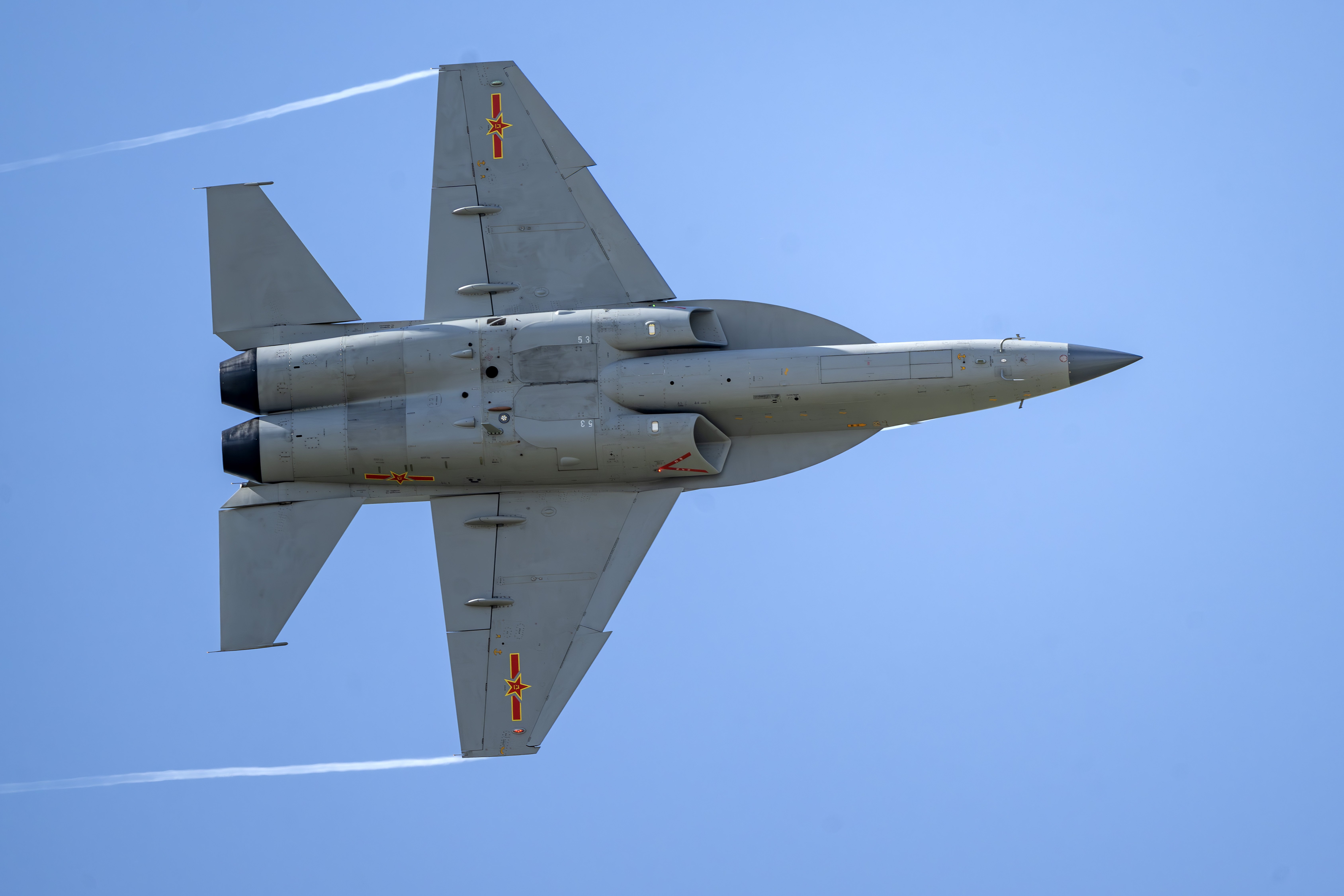
China has unveiled a new version of its JL-10 advanced jet trainer—also known as the L-15 Falcon—featuring a twin-tail configuration.
The original version of this aircraft was powered by Ukrainian-designed AI-222 engines developed by Ivchenko-Progress and produced by Motor Sich in Zaporizhzhia, Ukraine.
According to Defence Blog on October 27, the aircraft—developed by Hongdu Aviation Industry Group under the Aviation Industry Corporation of China (AVIC)—represents the first notable design change to the JL-10 platform since its debut almost twenty years ago.
Images of the twin-tail aircraft were first shared by Chinese military aviation researcher @RupprechtDeino and reposted by Clash Report and other defense outlets on X.
China’s twin-tail JL-10 (L-15 Falcon) trainer aircraft prototype has fully emerged, possibly completing a rollout or maiden flight near Xi’an or Zhuhai. pic.twitter.com/Rygn0Nsrd6
— Clash Report (@clashreport) October 28, 2025
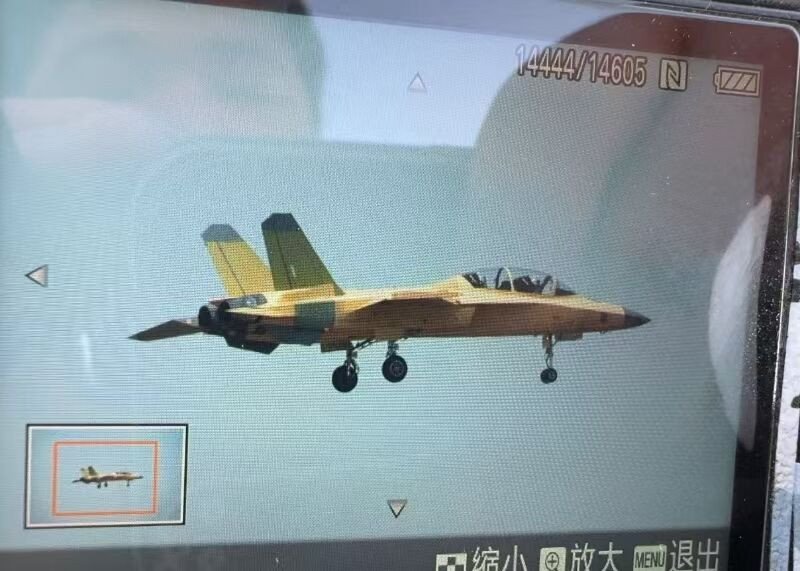
The photos show a modified JL-10 with two vertical stabilizers instead of the single fin used in the original L-15 Falcon design.
According to Defence Blog, the prototype “was likely captured during an early test flight,” though no official announcement from AVIC or the Chinese Ministry of Defense has been made.
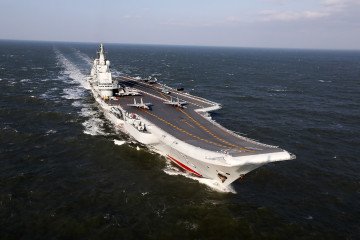
The twin-tail design suggests potential structural reinforcement and improved stability, possibly signaling adaptation for carrier-based or advanced combat-training roles. In August 2025, China had been testing a navalized variant of the JL-10 to support the country’s growing aircraft-carrier fleet.
The baseline JL-10 and export-version L-15 were originally equipped with the AI-222-25 and AI-322 afterburning turbofan engines, designed by Ukraine’s Ivchenko-Progress and manufactured by Motor Sich in Zaporizhzhia.
These engines allowed the aircraft to reach supersonic speeds and perform high-G maneuvers, making them competitive with Western advanced trainers like the T-50 Golden Eagle and M-346 Master.
However, as noted by Euronews in 2021, Ukraine nationalized Motor Sich following disputes with Chinese investors and tightened export controls amid deepening defense cooperation with Western partners. This move effectively limited China’s access to Ukrainian engines, prompting speculation that the new JL-10 variant could be powered by an indigenous replacement.
Following Russia’s full-scale invasion of Ukraine, Chinese-Ukrainian industrial cooperation in aviation effectively froze. Euro Security & Defence wrote in 2023 that “deliveries under a new Motor Sich contract with China were about 30 percent complete when the war started,” adding that Beijing has since sought “a different solution.”
At present, Chinese authorities have not disclosed the aircraft’s official designation, development status, or the engine type installed. The lack of markings and the prototype’s unpainted finish suggest the aircraft is still in early testing.
Earlier in July 2025, Russia delivered the frigate INS Tamal to the Indian Navy—powered by Ukrainian-made Zorya-Mashproekt M7N gas turbines from Mykolaiv. The ship, originally built for Russia as Admiral Istomin, was completed for India after Ukraine halted military exports to Moscow following the 2014 invasion of Crimea.
Discuss this article:
-9bd5e1532102621f8fb1c4ba871a3171.png)