- Category
- Latest news
China’s Nuclear Expansion Accelerates—New Facilities Rise Where Villages Once Stood
 Prefer U24 Media on Google
- Authors


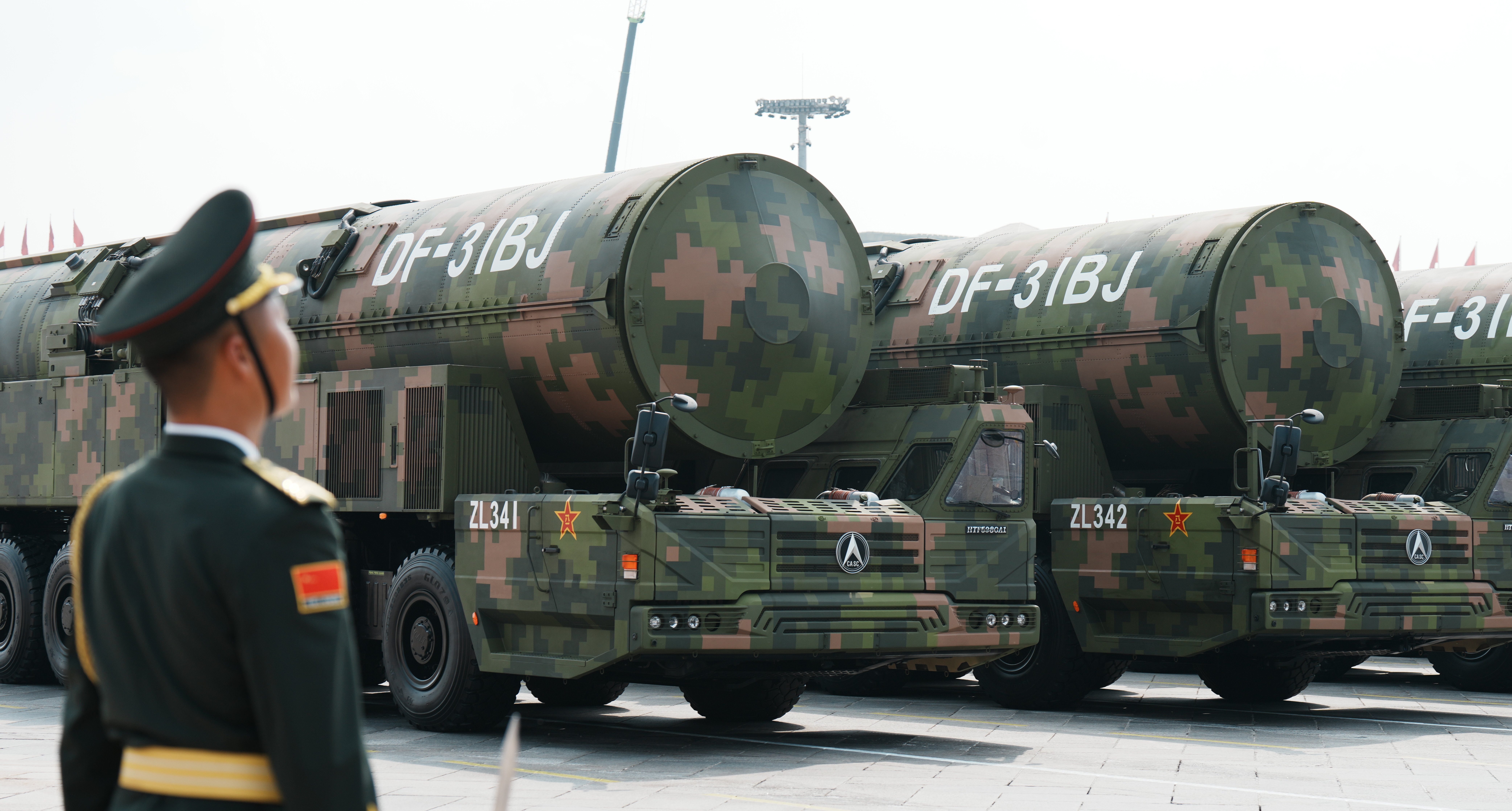
A new investigation has uncovered a significant expansion of China’s nuclear infrastructure in Sichuan province, where entire villages were previously cleared to make way for strategic military facilities, according to a report published by CNN on April 1.
Residents of one village said that when authorities began seizing land in 2022 and forcing people to relocate, officials offered little explanation beyond a brief statement that the project was a “state secret.”
We bring you stories from the ground. Your support keeps our team in the field.
That explanation now appears to have masked a broader effort by Beijing to rapidly expand its nuclear capabilities.
Satellite imagery analyzed as part of the investigation shows that more than three years later, the village has been completely demolished. In its place, a series of new structures has been built to support what analysts describe as critical components of China’s nuclear weapons infrastructure.
The construction aligns with assessments based on dozens of official documents and supports longstanding warnings from US officials that China is undertaking its most significant nuclear modernization effort in decades.
One of the most striking features identified at the site is a massive dome-like structure near the Tongjiang River, covering roughly 36,000 square feet. Experts say the facility appears designed for handling highly radioactive materials, including uranium and plutonium.
The site is equipped with extensive protective systems, including radiation monitoring, blast-resistant doors, and specialized ventilation. It is also heavily secured, with multiple layers of fencing and tunnel networks built into the surrounding mountainous terrain. The area is reportedly known as Zone 906.
According to the investigation, the transformation of the site began around 2021, following directives from Chinese leader Xi Jinping to accelerate the development of strategic deterrence capabilities.
Analysts say China is simultaneously expanding its early-warning systems and missile launch capabilities, suggesting a shift toward a more advanced and responsive nuclear posture—one that could play a decisive role in any potential conflict involving Taiwan.
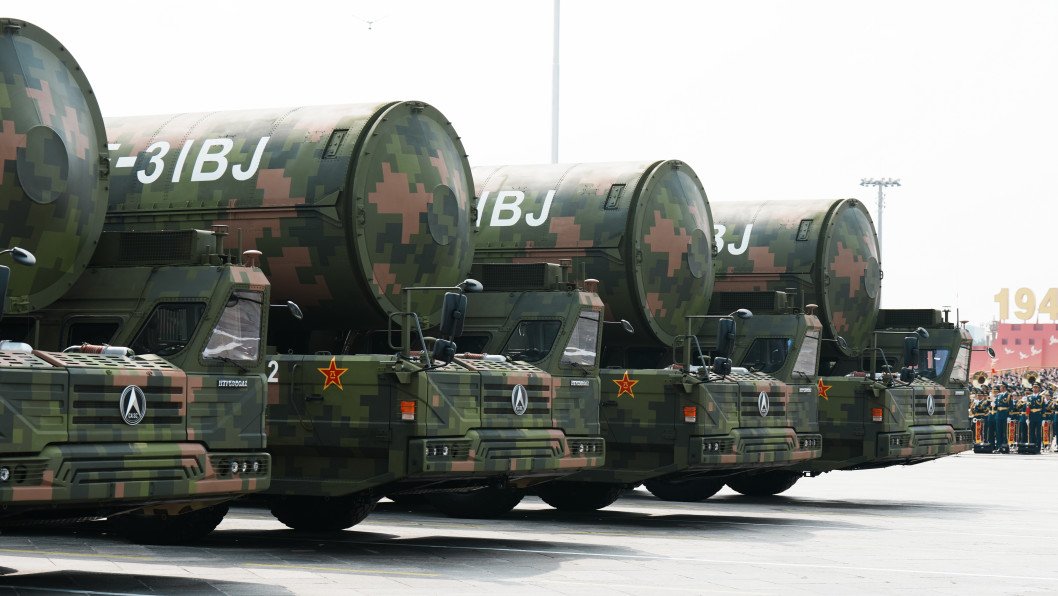
China’s military parade showcased nuclear missiles including JL-1, JL-3, DF-61 and DF-31BJ for land, air and sea operations. pic.twitter.com/WhEg9H0Fbe
— Clash Report (@clashreport) September 3, 2025
Experts warn that the rapid pace of China’s nuclear buildup could have far-reaching consequences for global security, potentially triggering a new arms race and further straining relations between Washington and Beijing.
Tong Zhao, a senior fellow cited in the report, noted that expanding nuclear capabilities also carries a psychological dimension, reinforcing China’s growing influence and shaping how other major powers perceive its strategic strength.
At the same time, analysts caution that Beijing’s increasing military advantage and centralized control over its armed forces may complicate future arms control efforts.
Negotiations on strategic stability—including nuclear issues—risk becoming largely symbolic, with limited prospects for meaningful reductions in weapons stockpiles.
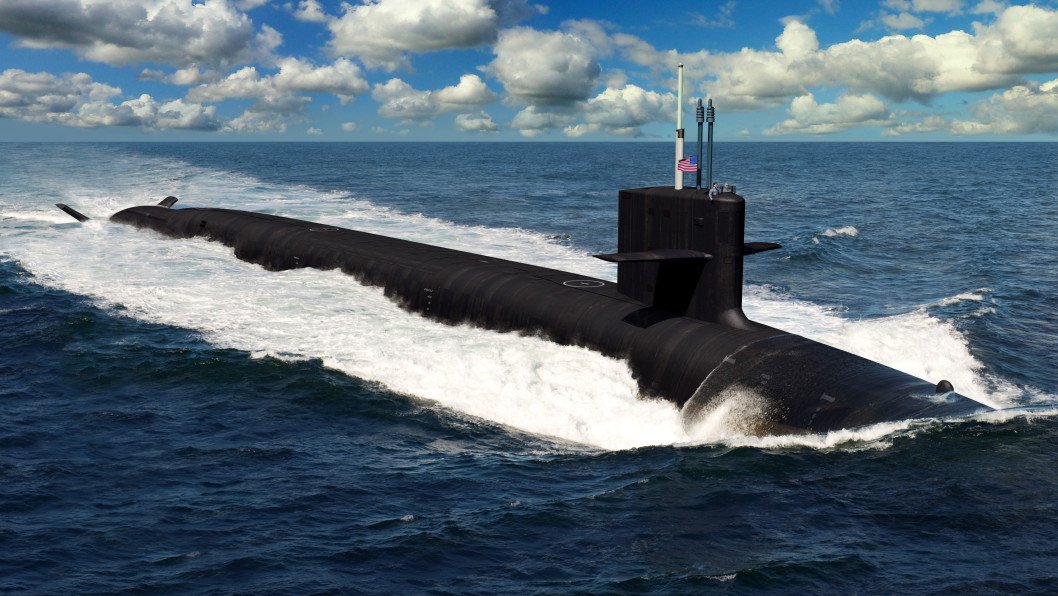
Earlier, China became the world’s second-largest operator of nuclear-powered submarines, overtaking Russia and narrowing the gap with the US.
The shift places China behind only the United States Navy, while pushing Russia into third place in terms of the number of nuclear submarines currently in service.
The People’s Liberation Army Navy now operates around 32 active nuclear-powered submarines. By comparison, Russia’s fleet is estimated to include roughly 25 to 28 such vessels.
Discuss this article:
-9bd5e1532102621f8fb1c4ba871a3171.png)


-c439b7bd9030ecf9d5a4287dc361ba31.jpg "Photo of Katherina Popilnichenko")