- Category
- World
Russia and US Enter a World With No Nuclear Limits—What Comes After New START?
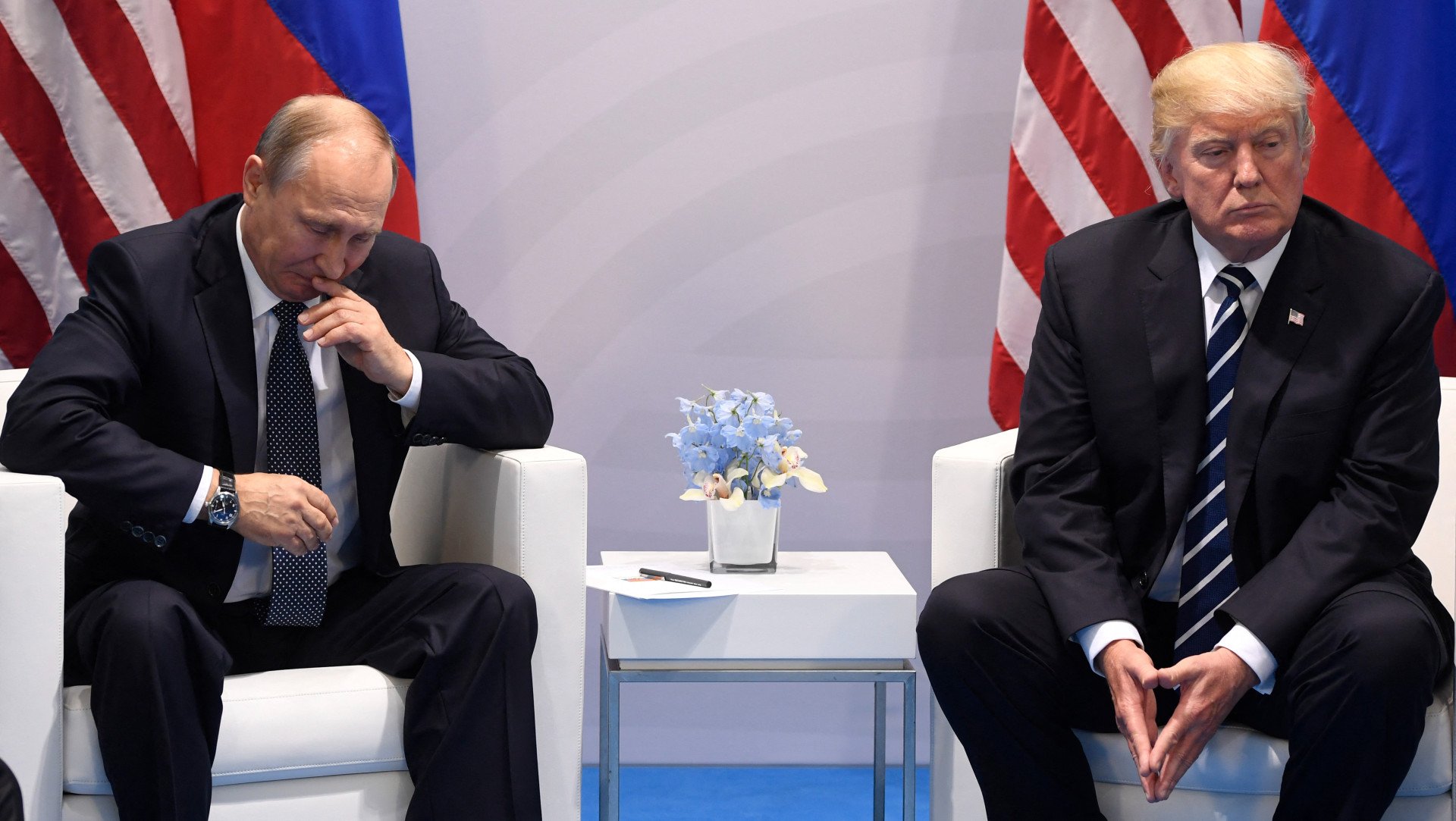
With the New START treaty expired, the world’s two largest nuclear powers now operate without any binding arms control framework for the first time since the Cold War—prompting European states to explore new approaches to deterrence.
 Prefer U24 Media on Google
- Authors

-24deccd511006ba79cfc4d798c6c2ef5.jpeg "Photo of Louis Beaudemont")
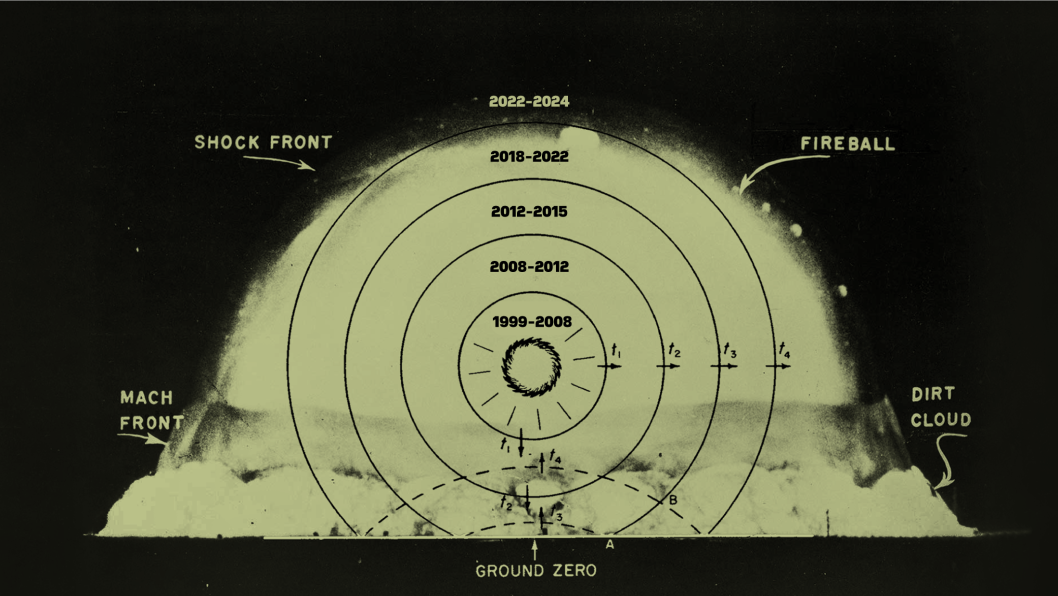
The New Strategic Arms Reduction Treaty (New START), the final remaining bilateral nuclear arms control agreement between the United States and Russia, officially expired on February 5, 2026. Following the treaty's termination, the Russian Ministry of Foreign Affairs declared that Moscow was no longer bound by any obligations or limits regarding its strategic offensive arms, stating it was "free to choose [its] subsequent steps."
"For the first time in more than half a century, we face a world without any binding limits on the strategic nuclear arsenals of the Russian Federation and the United States of America–the two States that possess the overwhelming majority of the global stockpile of nuclear weapons," UN Secretary-General Guterres warned.
Already on January 27, 2026, the Bulletin of the Atomic Scientists set its Doomsday Clock to 85 seconds to midnight, the closest it has ever been.
We bring you stories from the ground. Your support keeps our team in the field.
This expiration marks the end of a half-century era of collaborative restraint between the world’s two largest nuclear powers, who together possess approximately 90% of the global nuclear inventory.
From Pope Leo XIV to former US President Barack Obama, voices around the world urged Washington and Moscow to reopen talks on nuclear arms control and non-proliferation.
The New START Treaty, which represented a significant step to limit the proliferation of nuclear weapons, expires tomorrow. I make an urgent appeal not to allow this instrument to lapse without seeking to ensure a concrete and effective follow-up. The current situation demands…
— Pope Leo XIV (@Pontifex) February 4, 2026
The Origins of Nuclear Arms Control
The logic of nuclear arms control emerged from the terrified realization that the accumulation of atomic weaponry had reached irrational levels.
The New START treaty represents decades of sustained diplomatic efforts between the United States, the Soviet Union, and later Russia to regulate the nuclear arms race.
The scale of destruction and the scenes of horror that followed the nuclear bombings of Hiroshima on August 6, 1945, and Nagasaki on August 9, 1945, accelerated a global nuclear arms race, led primarily by the United States and the USSR.
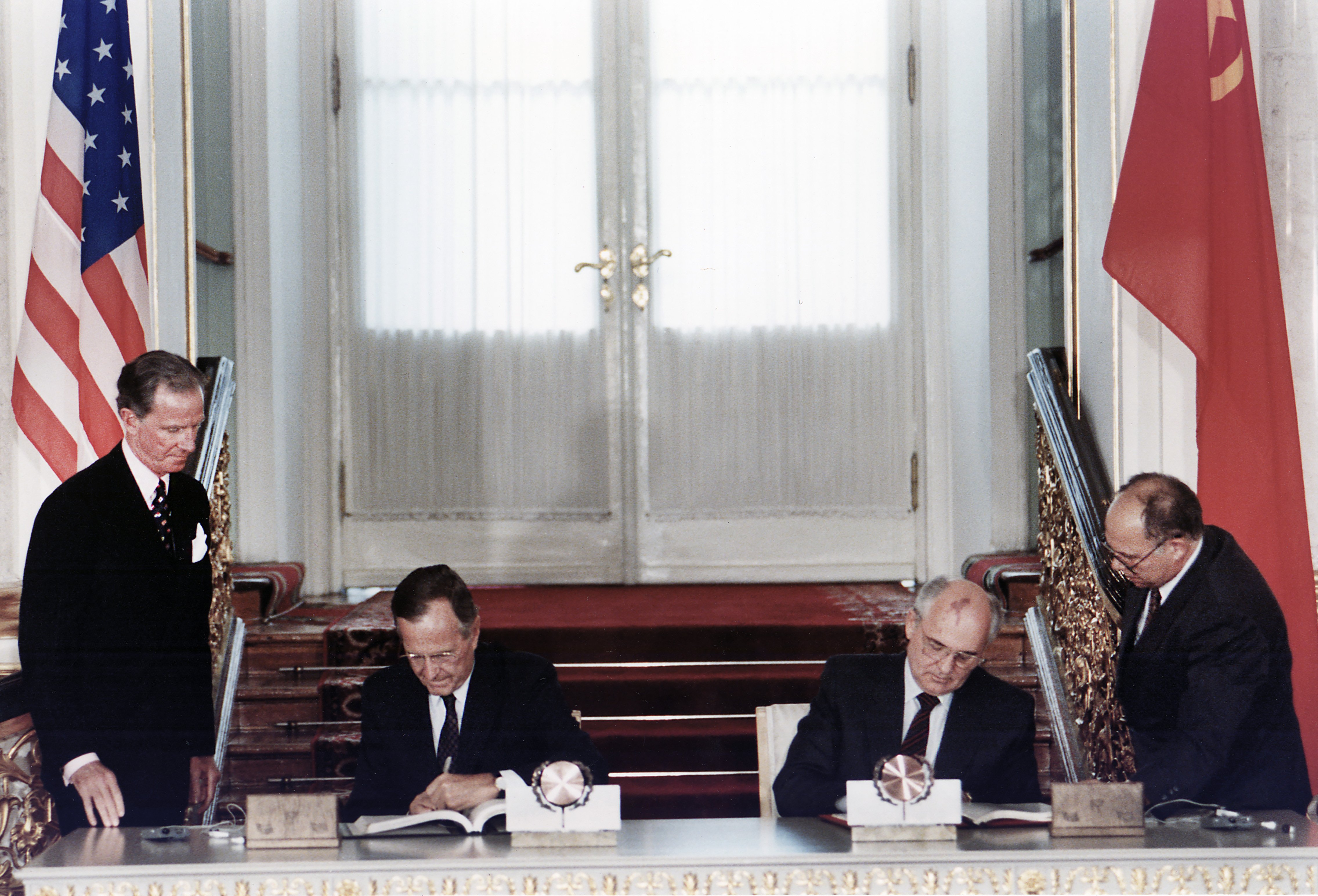
However, following the Cuban Missile Crisis in October 1962, the two countries agreed to establish diplomatic channels and a degree of balance in the production and deployment of missiles, nuclear warheads, and missile defense systems.
The foundation for these treaties began with the Strategic Arms Limitation Talks (SALT), which launched in 1969. Following these initial talks, a series of agreements were established that successfully reduced the global nuclear stockpile from a peak of approximately 70,400 warheads in 1986 to roughly 12,500 by the mid-2020s.
With the exception of the 1987 Intermediate-Range Nuclear Forces Treaty, every US-Soviet/Russian nuclear agreement from 1972 to 2010 focused exclusively on intercontinental-range systems.
The NEW START treaty 2010-2026
As the previous START agreement approached expiration in 2009, the Obama administration pursued a new deal, with Rose Gottemoeller serving as the chief US negotiator. The New Strategic Arms Reduction Treaty (New START) was signed in 2010 and entered into force in 2011. Its key provisions included:
• Warhead limits: The treaty restricted each side to 1,550 deployed strategic nuclear warheads
• Force adjustments: To comply, the United States deactivated launch tubes on ballistic missile submarines, removed nuclear capabilities from roughly 30 B-52 bombers, and eliminated Multiple Independently targetable Re-entry Vehicle (MIRV) technology from its missiles by 2014.
• Verification: The deal mandated regular data exchanges, notifications regarding the status of weapons, and short-notice on-site inspections.
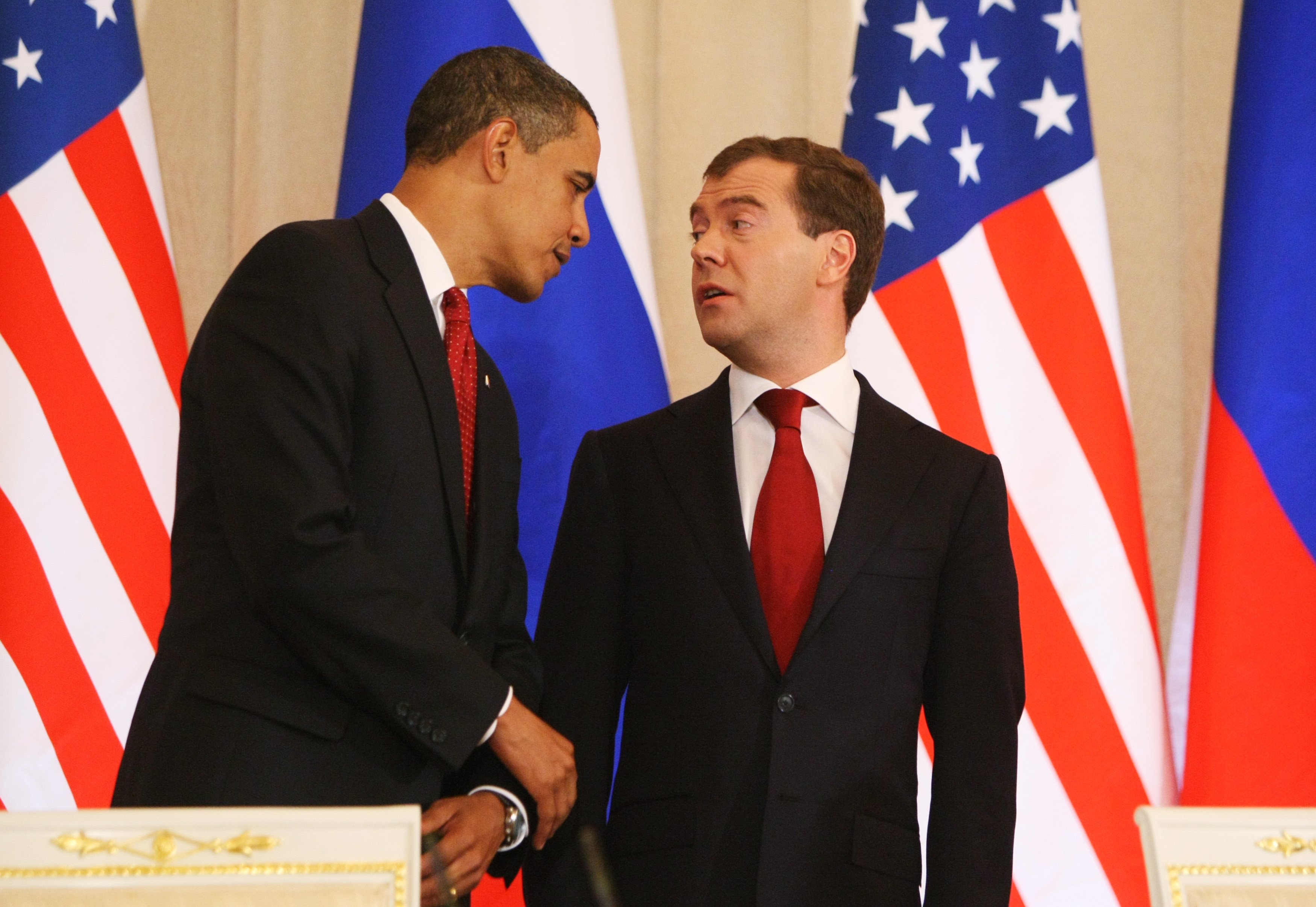
The treaty was extended for an additional five years in 2021. However, the verification regime faced significant disruptions caused by Russia, starting in 2020:
• Inspection halts: Mutual inspections were suspended in March 2020 due to the COVID-19 pandemic. When the pandemic subsided, Moscow barred US inspectors from returning in August 2022, claiming Western sanctions impeded reciprocal Russian visits.
• Suspension of participation: In February 2023, Russian leader Vladimir Putin announced that Russia was suspending its participation in New START, though not withdrawing completely. While suspending the treaty, Moscow stated it would continue to observe the numerical limits on nuclear warheads.
What's next? Consequences of a post-treaty world
Without the treaty’s verification regime—which once provided transparency and predictability—the world faces the prospect of an unconstrained three-way arms race involving the United States, Russia, and a rapidly ascending China.
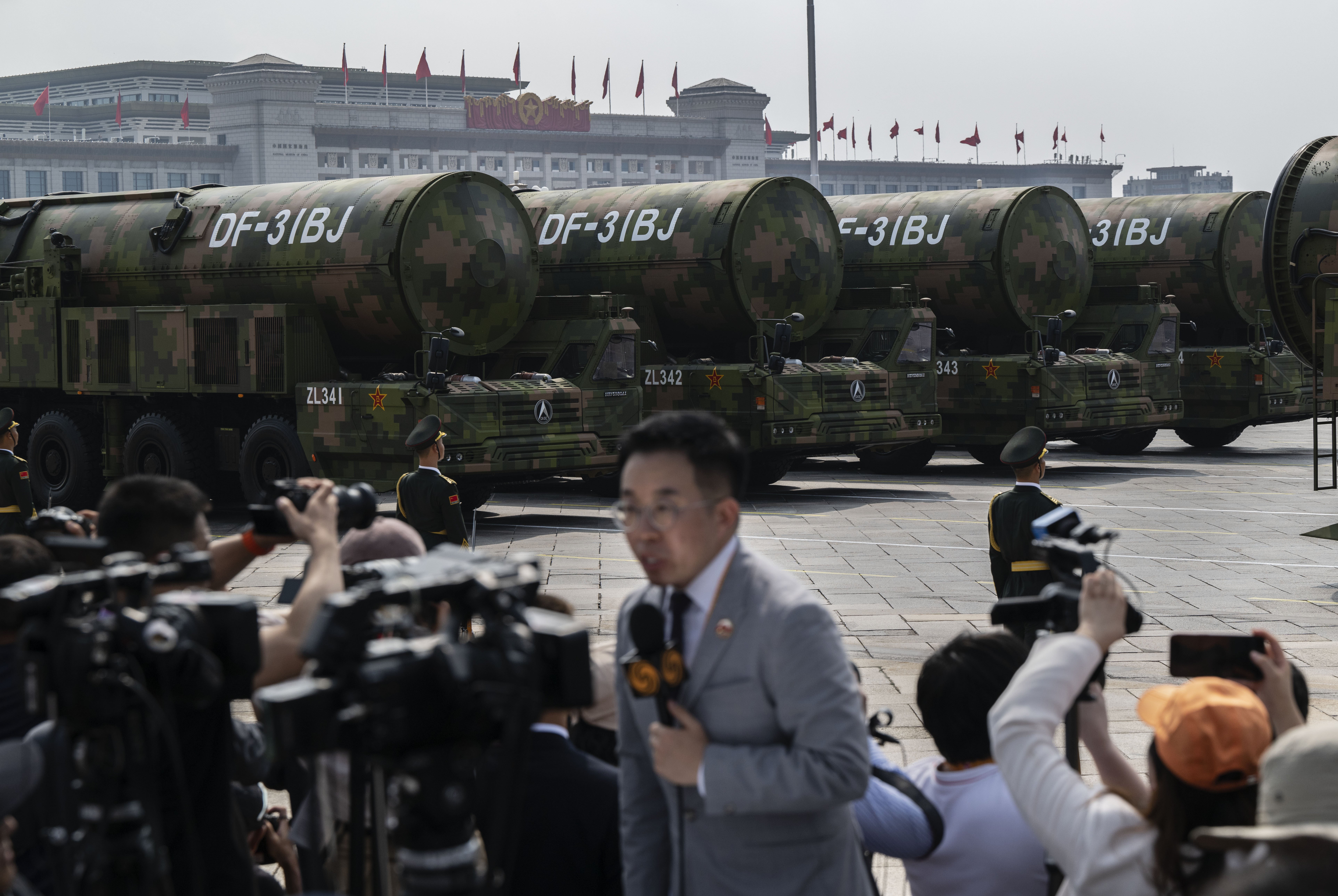
Beijing is undertaking a "strategic breakout," with its nuclear arsenal expected to grow from approximately 500 warheads in recent years to over 1,000 by 2030. China has resisted joining arms control talks, arguing it will only consider limits once it reaches parity with Washington and Moscow. It was, moreover, one of the limitations of the New START treaty: it did not take into account the rapid emergence of new actors—most notably China—nor the use of short-range missiles intended for regional conflicts.
“New START fails on a regional level by not addressing the shorter-range nuclear weapons that Russia or China would likely use first in wartime,” Eric Edelman and Franklin Miller wrote in a highly critical article on the treaty published in Foreign Affairs on June 3, 2025.
The US removed its last MIRVs in 2014 to comply with New START. However, the Pentagon could reverse this by "uploading" stored warheads onto its 400 Minuteman III ICBMs and reactivating launch tubes on Ohio-class submarines. Experts, like Rose Gottemoeller, warn that Russia can execute this "sprint" faster than the United States, creating a period of heightened vulnerability and instability.
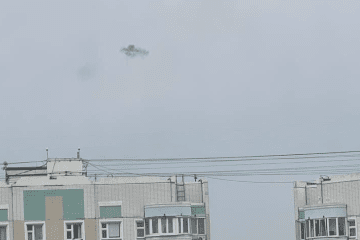
Moscow utilizes MIRV technology, the Oreshnik, a hypersonic intermediate-range ballistic missile capable of carrying multiple warheads, which it has already used in non-nuclear strikes against Ukraine. Russia could quickly pull nuclear warheads from storage and install them on existing missiles, significantly increasing its deployed firepower without building new missiles.
Since launching its full-scale invasion of Ukraine two years ago, Russia’s leadership has been issuing nuclear threats with near-monthly regularity. On February 4, former Russian leader Dmitry Medvedev reiterated the threat, mockingly suggesting that a nuclear war could follow the end of the New START treaty.
That's it. For the first time since 1972, Russia (the former USSR) and the US have no treaty limiting strategic nuclear forces. SALT 1, SALT 2, START I, START II, SORT, New START – all in the past. pic.twitter.com/D3TBZM9ffC
— Dmitry Medvedev (@MedvedevRussiaE) February 4, 2026
The erosion of the US–Russia arms-control framework did not emerge from a sudden geopolitical vacuum. It followed years in which Russia systematically hollowed out the institutions designed to reduce nuclear risk—while formally remaining inside them. Moscow’s suspension of inspections, refusal to resume data exchanges, and unilateral “pause” in New START participation steadily dismantled the treaty’s core function: predictability.
With New START now expired, the United States and Russia enter the first period since 1972 without a legally binding framework governing their strategic arsenals. European nations are initiating discussions on independent deterrent capabilities. Sweden, France, and the UK have engaged in talks regarding nuclear cooperation. There are proposals for a "Northern European nuclear program" or enhanced coordination where allied navies support French nuclear submarines.
“The world has come too far to allow the progress of the past half-century to slip away,” wrote W.J. Hennigan. "Without a new agreement, each side's military is forced to plan for the worst. There’s a window of time to act. It might be closing fast, but it’s worth trying.”
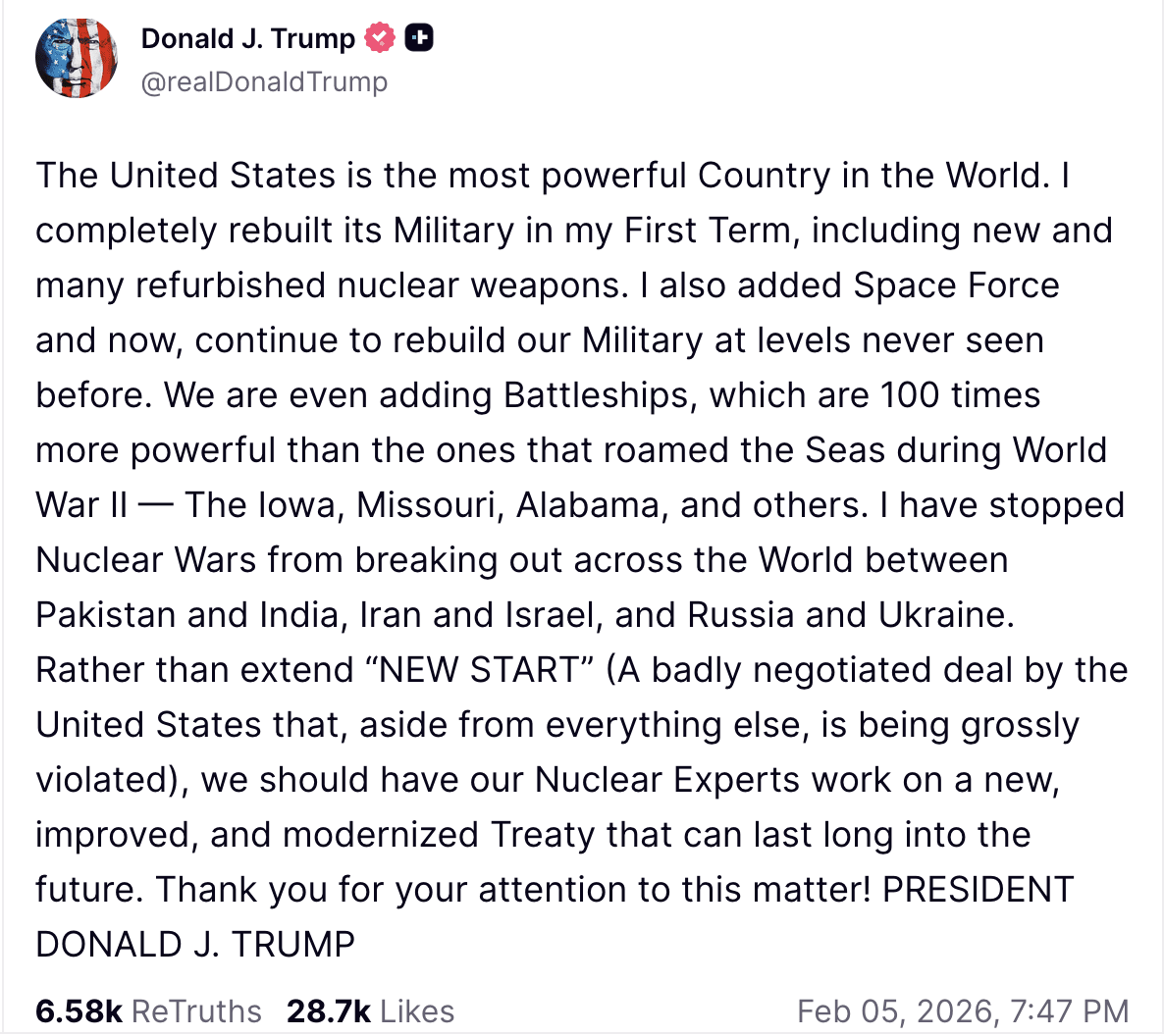
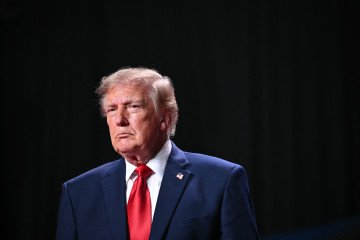
Writing on his Truth Social platform, Trump called for nuclear experts to work on a "new, improved, and modernized Treaty". Reports also suggest that Washington and Moscow might be approaching a temporary "gentlemen's agreement" to observe limits, negotiated on the sidelines of talks in Abu Dhabi.
Discuss this article:
-4a56a6b482ec132402c16ef6fcabf9a2.png)


-c439b7bd9030ecf9d5a4287dc361ba31.jpg "Photo of Katherina Popilnichenko")

-111f0e5095e02c02446ffed57bfb0ab1.jpeg "Photo of Roman Kohanets")