- Category
- Latest news
Russia Declares Itself Free of Nuclear Restrictions After New START Treaty Ends
 Prefer U24 Media on Google
- Authors


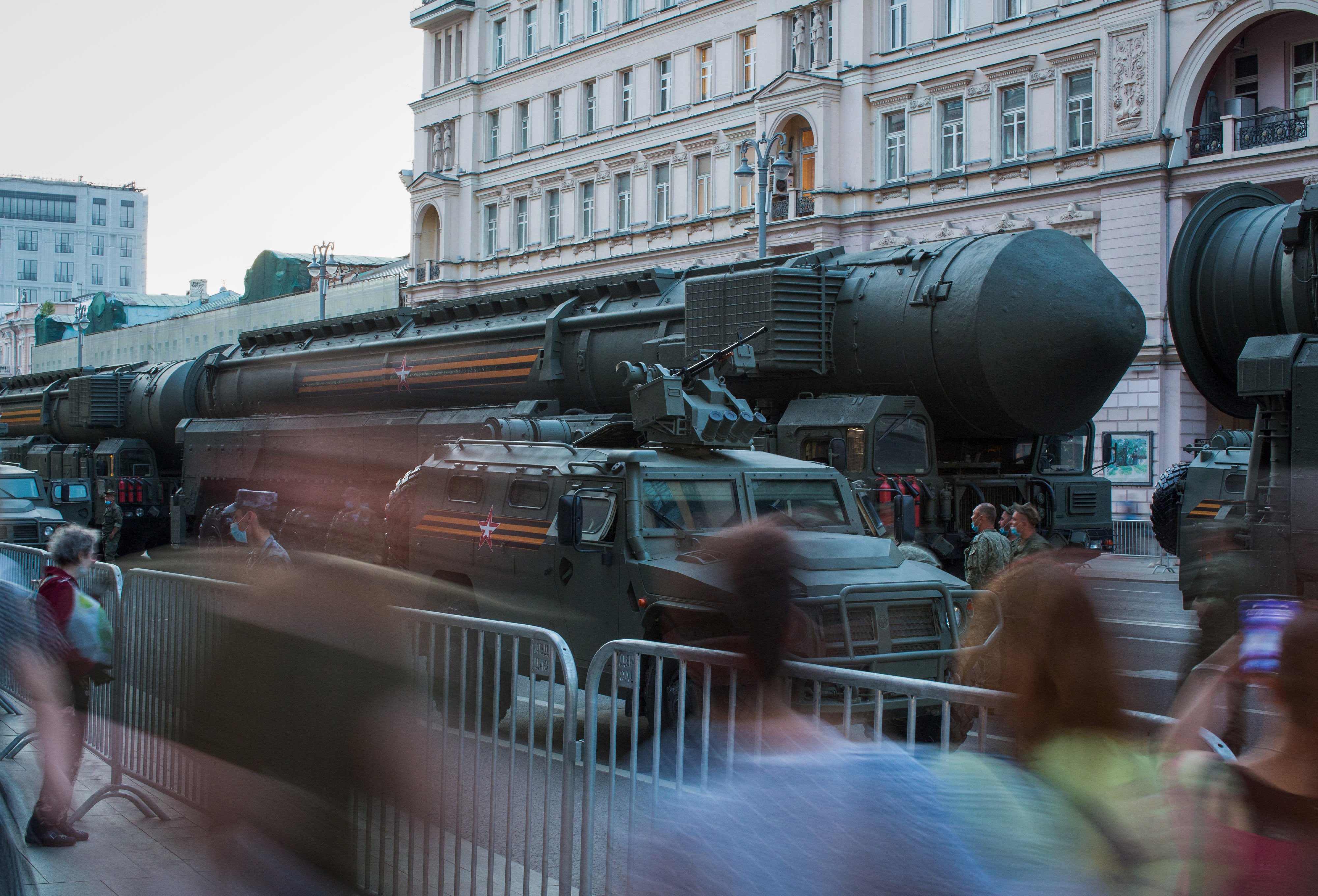
Russia has announced that it no longer considers itself bound by nuclear weapon restrictions following the expiration of the New START (SNO-3) treaty.
This was reported by the Russian Ministry of Foreign Affairs on February 4.
We bring you stories from the ground. Your support keeps our team in the field.
The treaty, which governs nuclear arms control between Russia and the United States, officially ends on February 5.
“In the current circumstances, we proceed from the assumption that the parties to the New START treaty are no longer bound by any obligations or symmetrical declarations in the context of the Treaty, including its central provisions, and are, in principle, free to choose their subsequent steps,” the statement read.
The Ministry also stated that Russia is ready to take “military-technical countermeasures to eliminate potential additional threats to national security.”
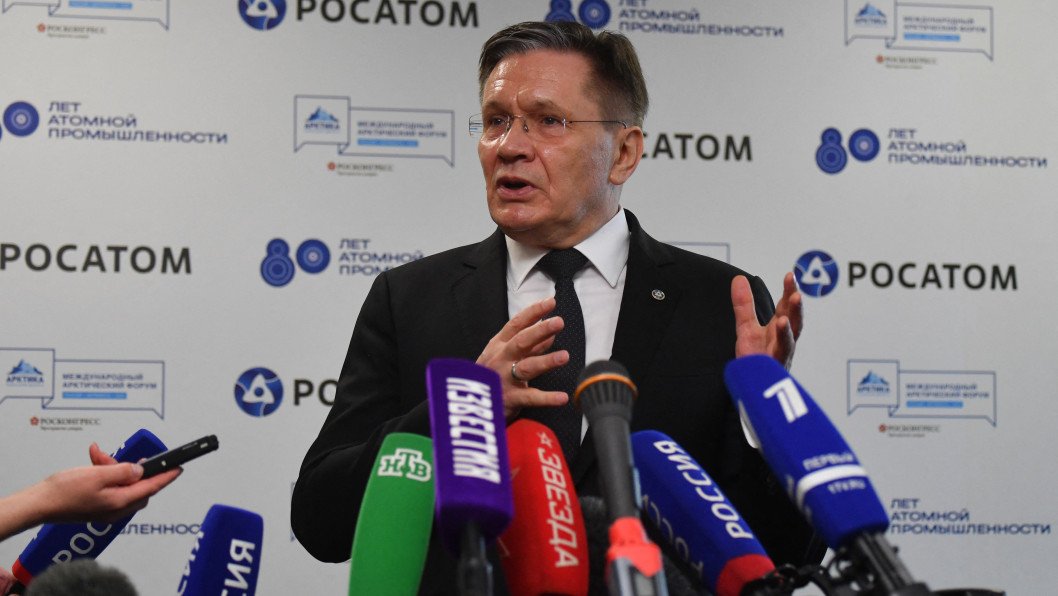
Furthermore, they added that Russia “remains open to seeking political-diplomatic solutions to comprehensively stabilize the strategic situation...”
The New Strategic Arms Reduction Treaty (New START), signed in 2010 by US President Barack Obama and Russian President Dmitry Medvedev, was a landmark agreement aimed at reducing strategic nuclear forces. The treaty allowed both countries to decrease their arsenals while facilitating on-site inspections to ensure compliance with the terms.
Formally known as the Treaty on Measures for the Further Reduction and Limitation of Strategic Offensive Arms, the pact set limits on both nations, restricting them to a maximum of 1,550 nuclear warheads and no more than 700 deployed missiles and bombers, all ready for use.
Originally set to expire in 2021, the treaty was extended for an additional five years.
In February 2023, Russian leader Vladimir Putin announced the suspension of Moscow's participation, stating that the Kremlin could not permit US inspections of its nuclear sites while Washington and its NATO allies have openly stated that their objective is to defeat Russia in Ukraine.
With the expiration of the treaty, the US and Russia now find themselves without a legally binding agreement limiting their strategic nuclear forces for the first time in over 50 years.
Earlier, European nations began discussions on strengthening their own nuclear deterrence capabilities, amid increasing security concerns and doubts regarding the long-term US commitment to NATO.
As reported by The Moscow Times, Sweden's Prime Minister Ulf Kristersson confirmed that initial talks have been held with the UK and France regarding nuclear cooperation. Meanwhile, The Economist noted that London and Paris have already reached an agreement to align certain aspects of their nuclear strategies.
Discuss this article:
-9bd5e1532102621f8fb1c4ba871a3171.png)

-c439b7bd9030ecf9d5a4287dc361ba31.jpg "Photo of Katherina Popilnichenko")