- Category
- Latest news
Circularity on the Edge: How AI Is Shaping Ukraine’s Post-War Reconstruction at Venice Biennale
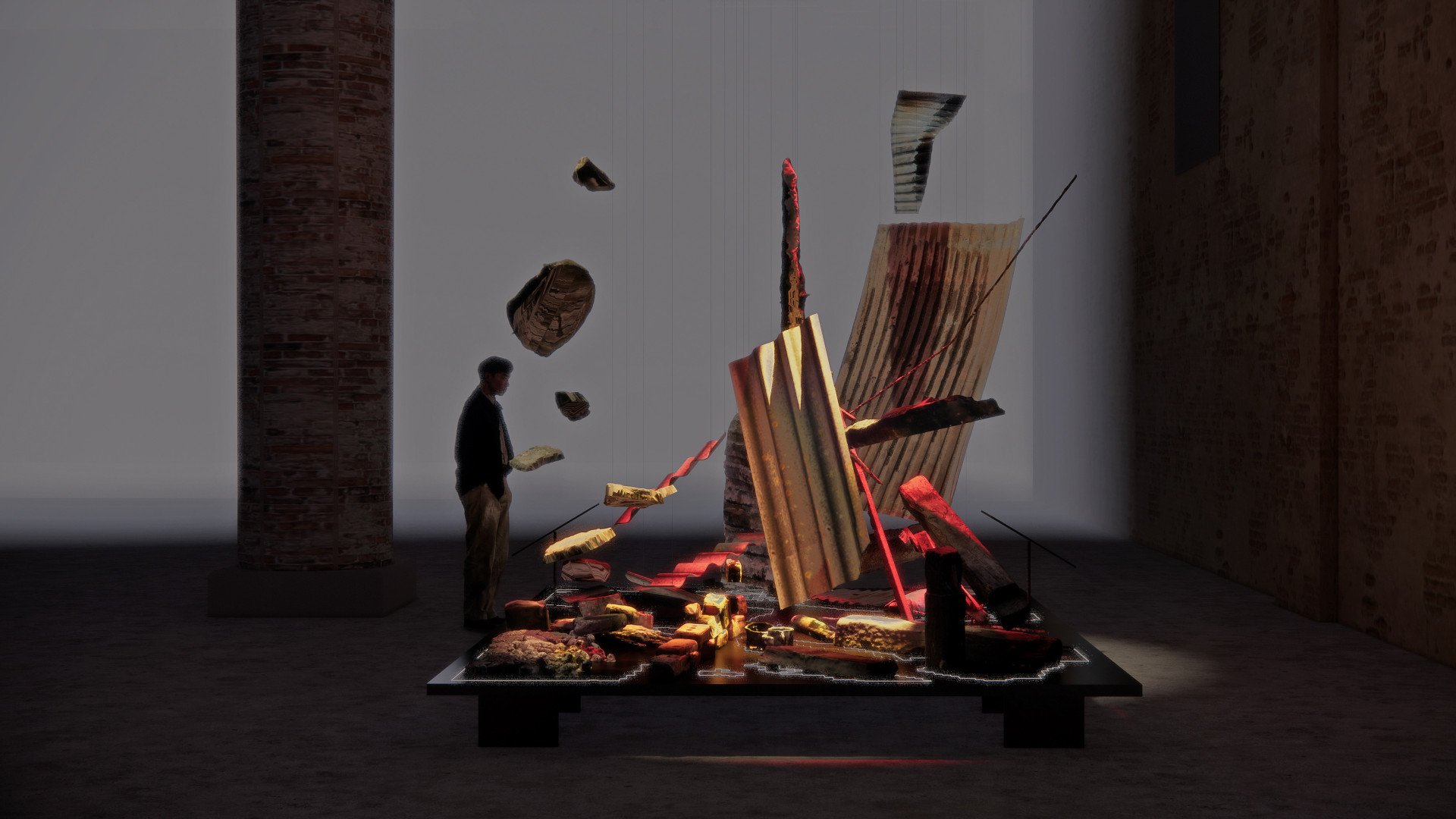
The Circularity on the Edge installation, an innovative architectural and art project, is on display at the Venice Biennale Architettura 2025.
 Prefer U24 Media on Google
- Authors




The installation, created by spatial researcher and architect Kateryna Lopatiuk in collaboration with IT developer Herman Mitish, demonstrates how artificial intelligence (AI) can guide Ukraine’s post-war reconstruction efforts, emphasizing materiality and the circular economy.
Circularity on the Edge is featured in the Artificial section of the Biennale’s Main Exhibition at the Arsenale, Corderie. The project highlights the potential for AI to analyze drone footage of war-damaged buildings, particularly in Bucha, Kyiv region, a town heavily affected by Russia’s invasion.
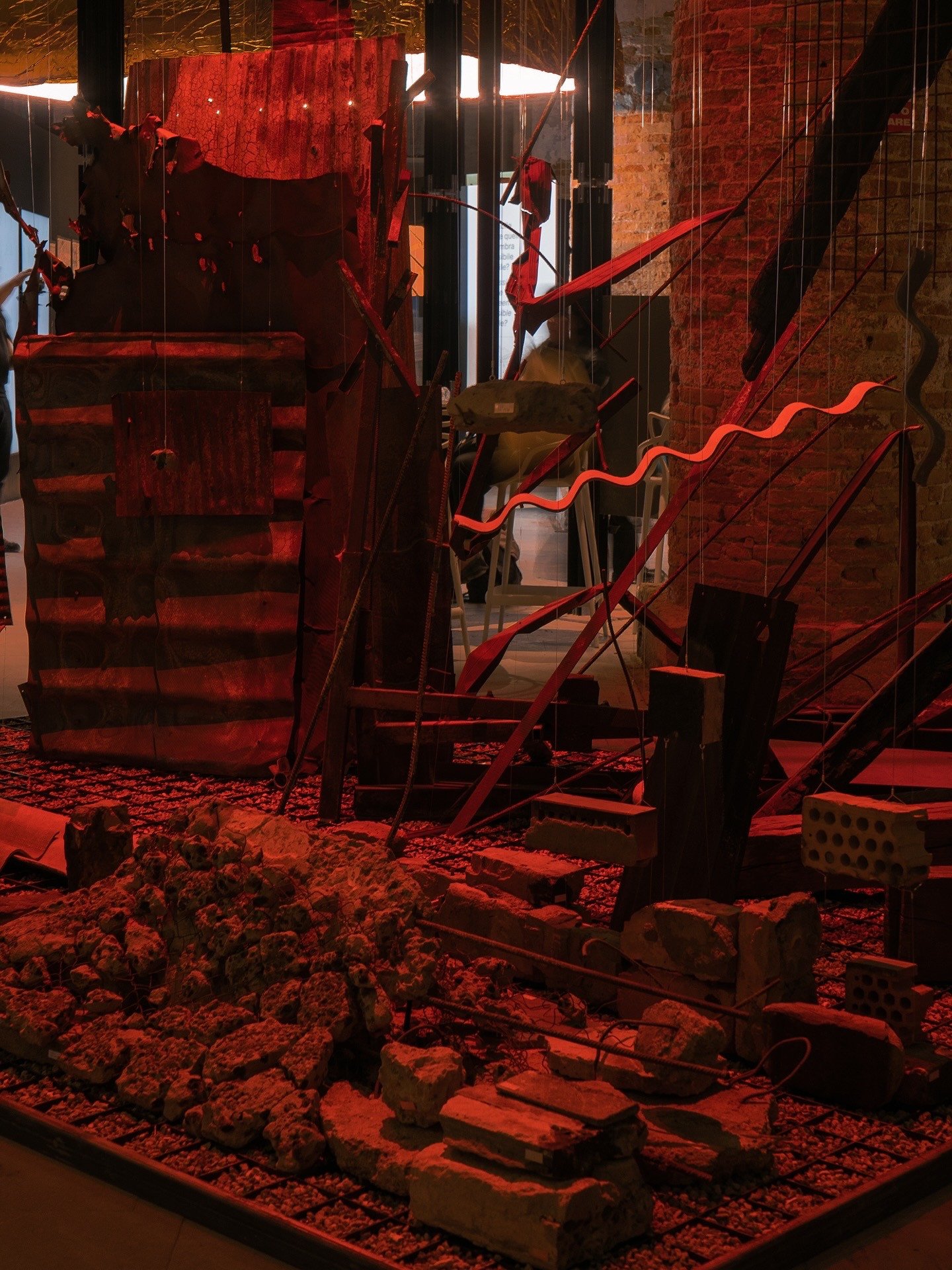
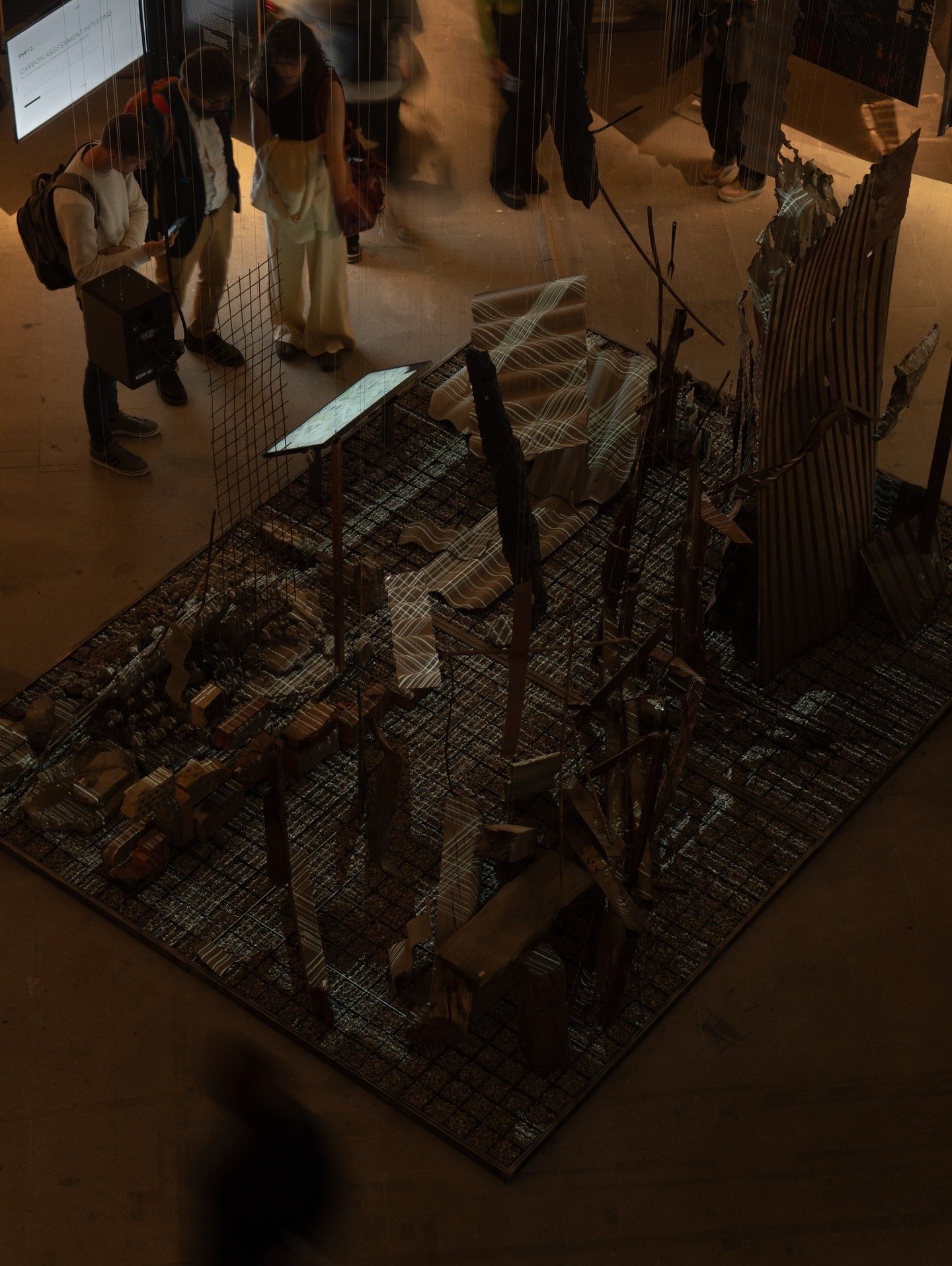
Through visual segmentation, the AI model identifies key construction materials such as concrete, metal, wood, brick, and slate, which can be repurposed for rebuilding efforts.
Lopatiuk and Mitish’s installation is an immersive experience, combining digital data, physical elements, light, projections, and audio accompaniment. It invites visitors to explore the possibility of using materials from destruction as a resource for reconstruction.
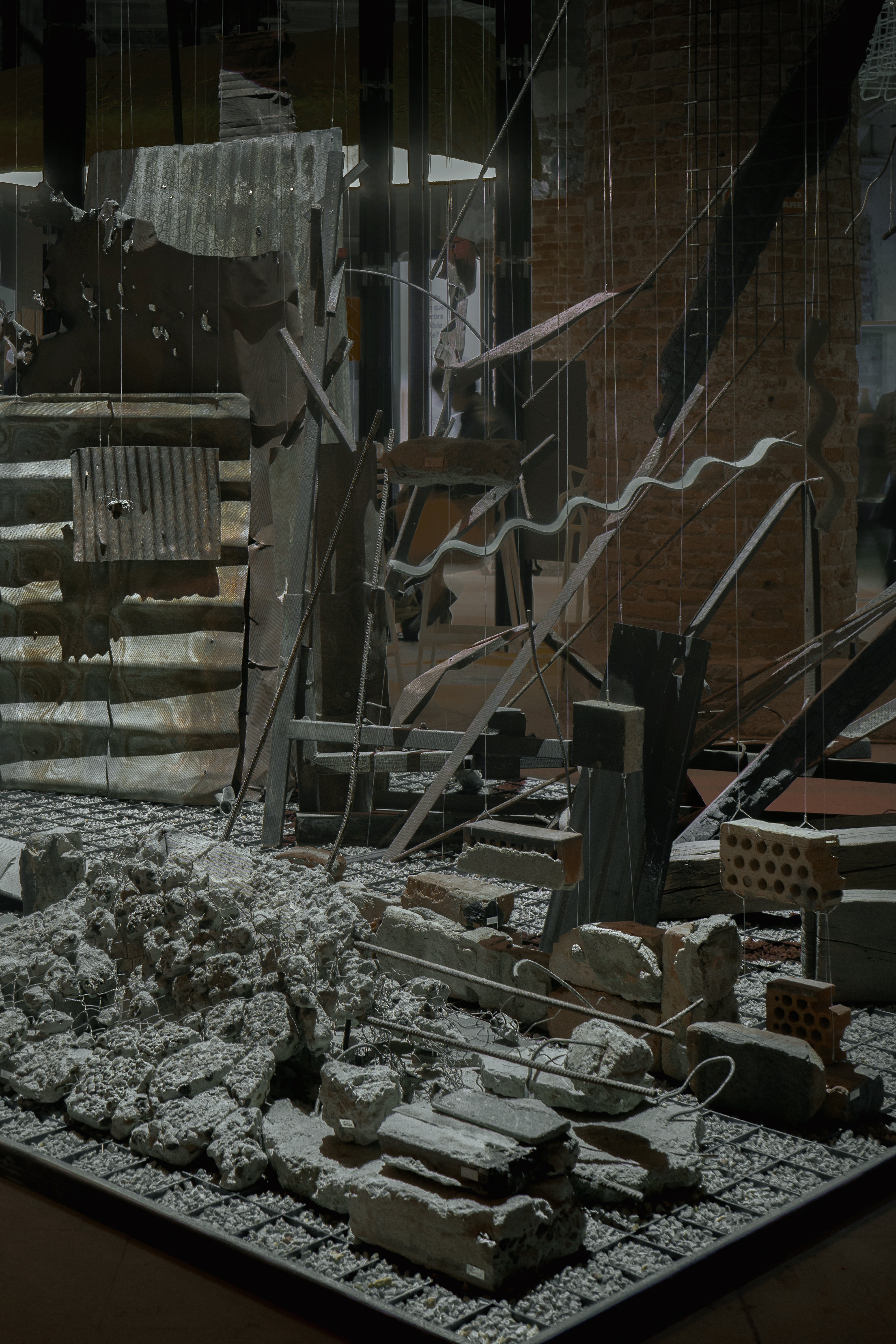
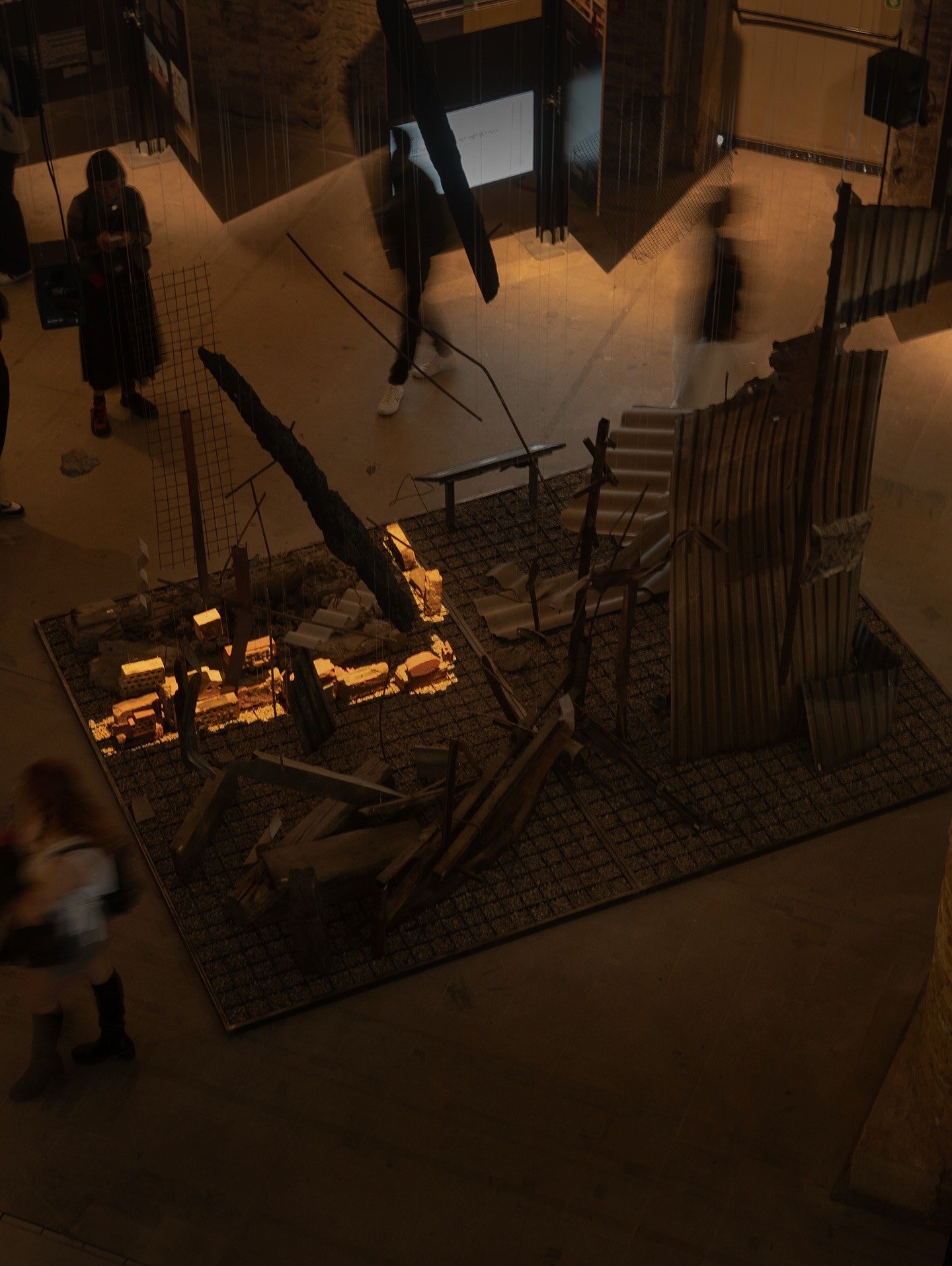
The installation redefines the conventional narrative of loss and erasure, transforming the devastation wrought by war into a potential resource for shaping Ukraine’s future.
Originally conceived during Kateryna Lopatiuk’s research at MIT and further developed with the support of the ReThink NGO, the project has grown into a powerful proof of concept that could revolutionize approaches to reconstruction, both in Ukraine and worldwide.
Beyond being a testament to Ukraine's unyielding resilience, the installation also aims to highlight innovative solutions for rebuilding war-ravaged regions, drawing international focus to the transformative possibilities of recovery.
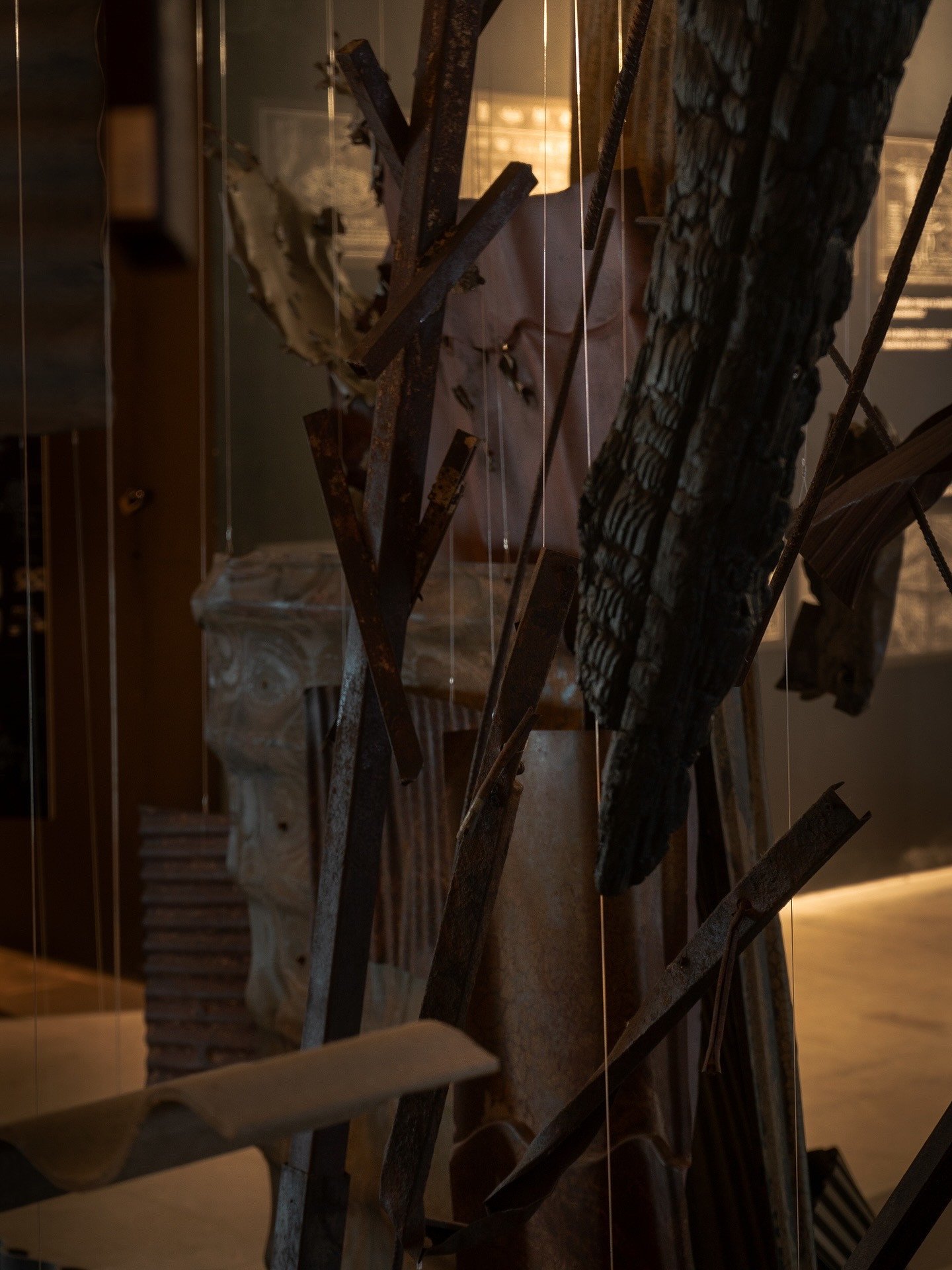
As the exhibition nears its conclusion on November 23, 2025, the Circularity on the Edge installation will remain a significant part of the dialogue surrounding Ukraine’s rebuilding process. Following the Biennale, the installation will travel to Ukraine and continue its journey under the LINA Fellowship in 2026.
Earlier, the multimedia exhibition There Are No Children, There Are People (No hay niños, hay gente) was launched at the Museum of Memory and Human Rights in Santiago, Chile.
This project sheds light on the illegal deportation and forced displacement of thousands of Ukrainian children by Russia.
Discuss this article:


-c439b7bd9030ecf9d5a4287dc361ba31.jpg "Photo of Katherina Popilnichenko")