- Category
- Latest news
Danube Goes Deadly: Romania’s River Fleet Prepares to Hunt Drones
 Prefer U24 Media on Google
- Authors


Romania has begun retooling its riverine forces to better counter drone threats, adding camouflage, man-portable air defenses, and dedicated anti-air weapons to vessels that once focused mainly on patrol and coastal security, analysts and defense sources say, according to Maksym Palamarchuk, head of the Center for Foreign Policy Studies at the National Institute for Strategic Studies.
The changes were visible during the Maneuver “Defender of the Danube 25,” held October 6–11, where two Project 1316 river monitors were photographed using new camo netting while operating near the shore.
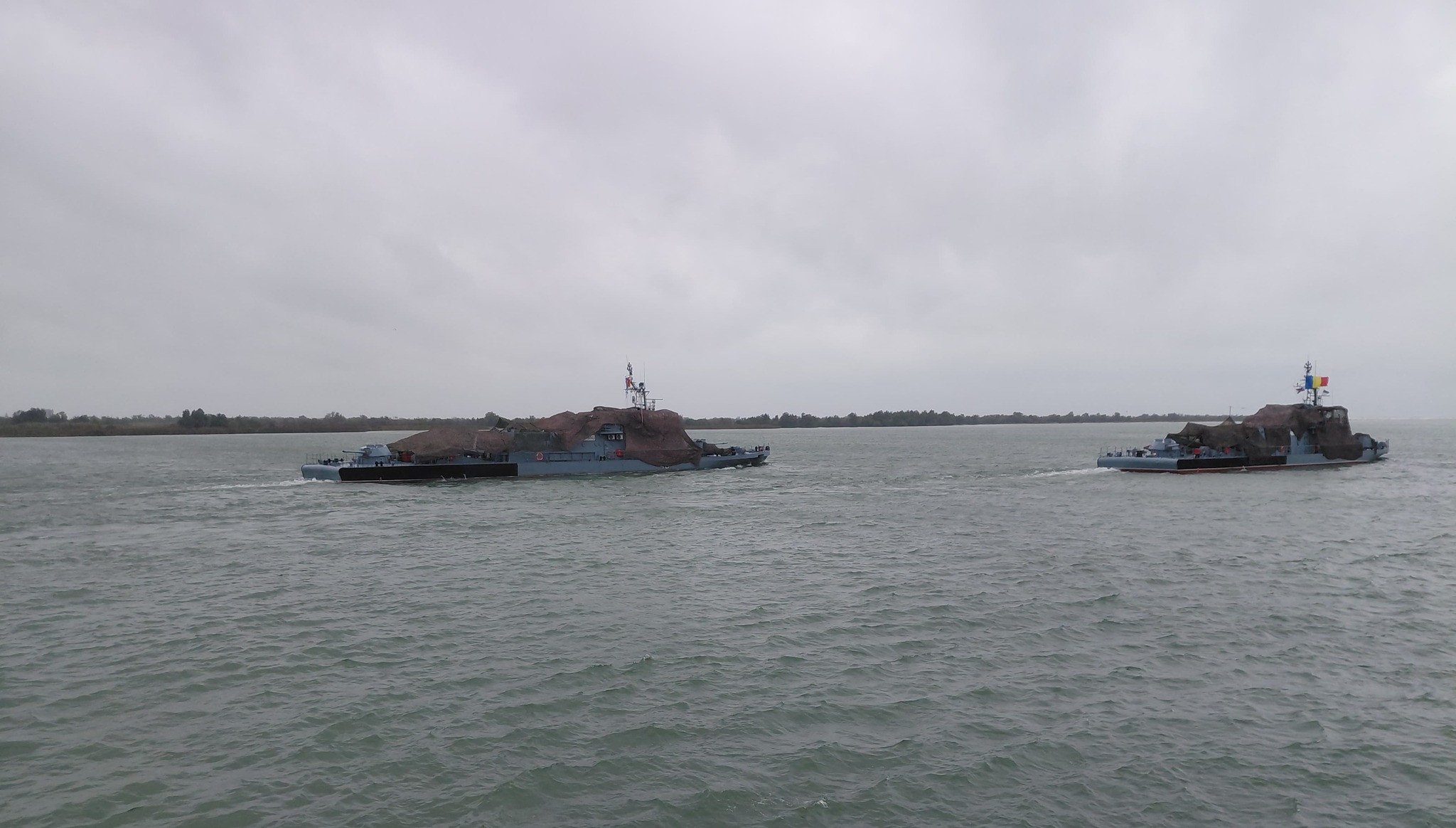
“This is the first time such masking has been used in these exercises,” said Palamarchuk, noting the tactic had not been seen in prior years.
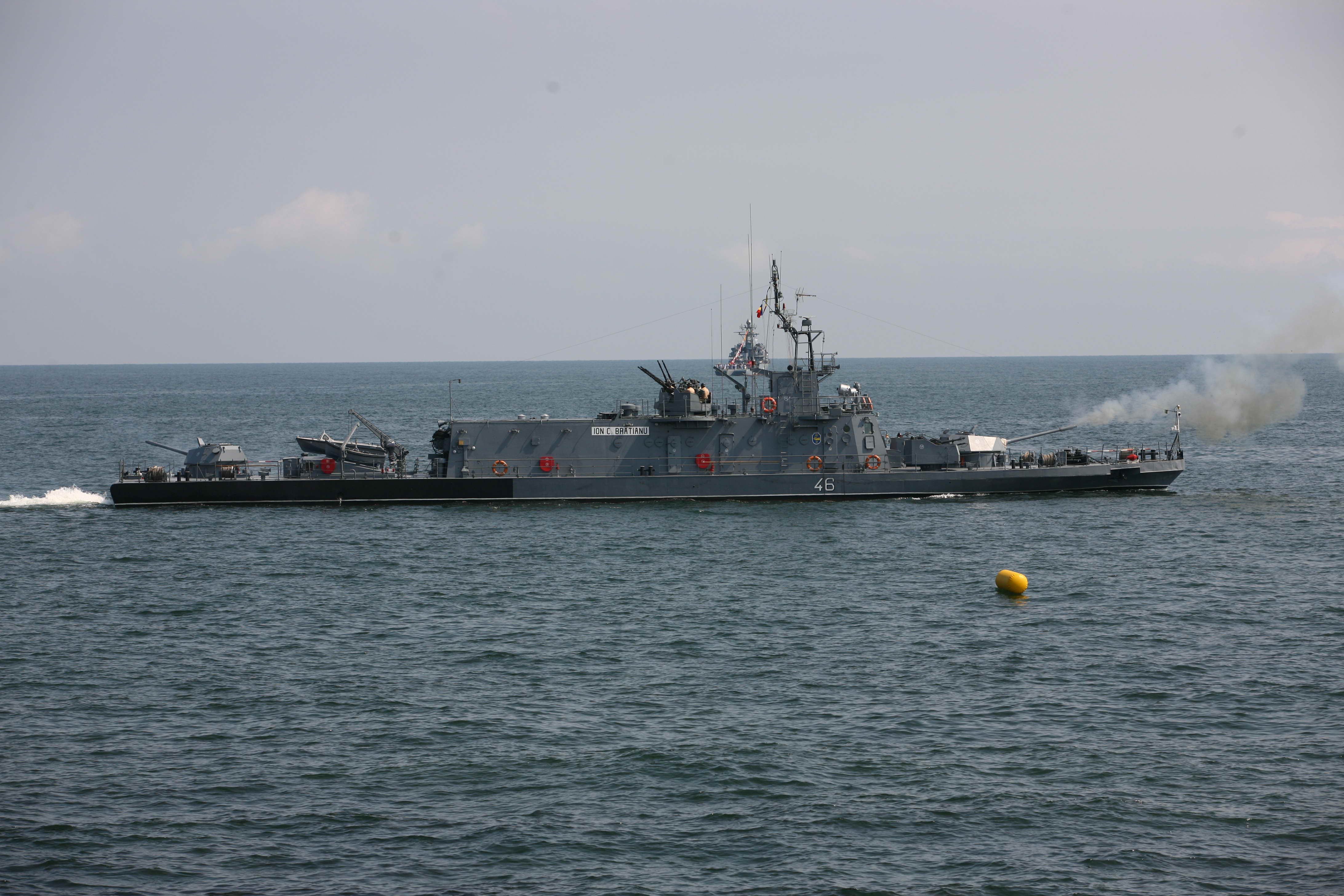
Romania’s river fleet is currently organized into two divisions: the 67th River Monitors division and the 88th River Armored Boats division. The 67th includes three Project 1316 monitors—Mihail Kogălniceanu (45), Ion Brătianu (46), and Lascăr Cătarigiu (47)—plus several river artillery boats (Rakhova, Opanez, Smîrdan, Posada, and Rovine). The 88th Division fields nine river patrol boats and one artillery boat.
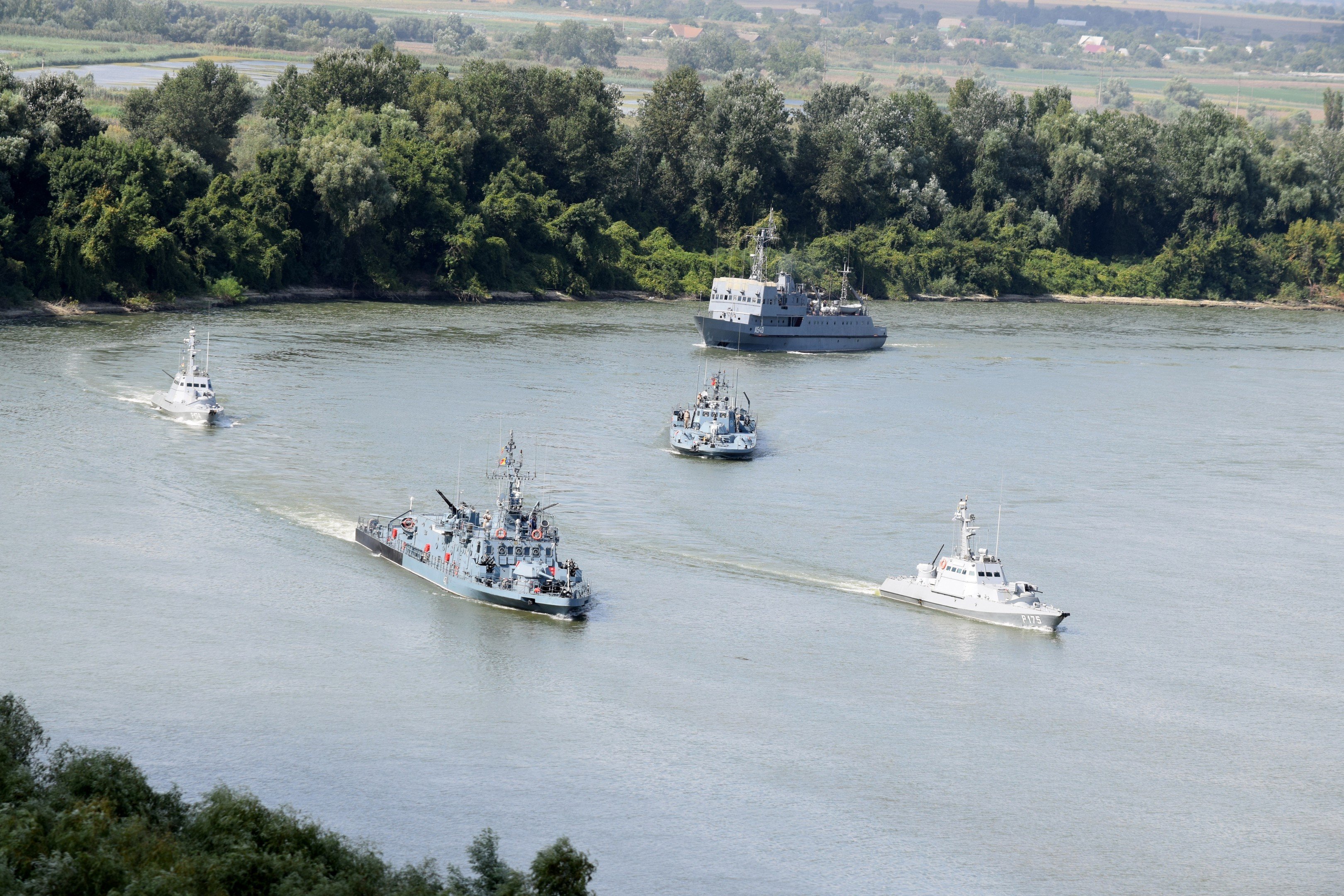
Observers say the new masking is primarily intended to hide monitors from reconnaissance drones when they operate close to shore.
Onboard armament on the monitors already includes twin 30 mm turret guns—naval variants of the Tun Md. 80—with two such mounts per vessel and an effective engagement envelope up to roughly 3.5 km for aerial targets.
Each monitor also carries two four-barrel 14.5 mm mounts (a naval ZPU-4 variant) capable of engaging targets up to about 1.5 km in altitude.
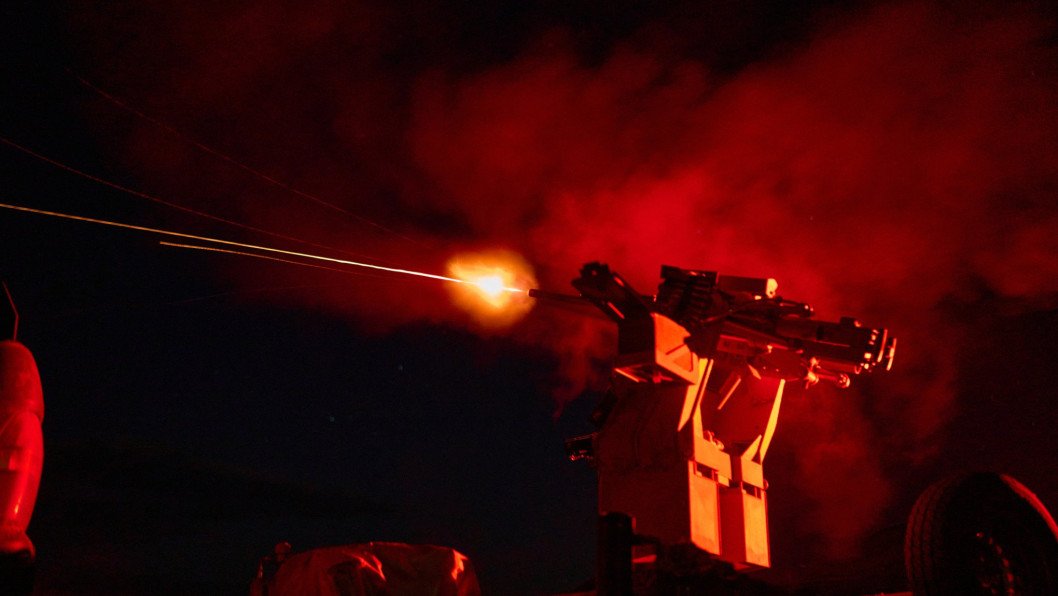
Crews can also embark portable surface-to-air missile systems; launches of MANPADS were recorded during the Defender of the Danube 25 exercises.
Equipment choices vary, according to the Ukrainian defense media Militarnyi, ranging from older Soviet-era systems like Igla and Strela to more modern options such as South Korea’s KP-SAM and France’s Mistral.
That mix, together with the close-in gun defenses and camouflage measures, gives the flotilla layered options to counter both strike and reconnaissance drones.
Monitors also carry heavier armament—BM-21 Grad rocket pods and 100 mm guns — but those systems are not intended for air-defense roles.
Instead, the focus for countering aerial threats has shifted to the fast-firing turrets, ZPU-4 mounts, MANPADS, and signature-reduction measures that deny enemy sensors easy tracking or targeting.
Romania first stepped up Danube patrols in September 2023 and has continued to refine riverine tactics since. The recent moves illustrate how NATO member states are adapting littoral and riverine vessels to the new realities of drone warfare: protecting vital waterways, infrastructure and coastal approaches from low-cost aerial threats by combining old-school camouflage with modern counter-UAS weapons and sensors.
Earlier, Romania’s top army commander said that Romania stands ready to assist Moldova if the republic faces aggression from Russia.
Discuss this article: