- Category
- Latest news
Did Ukraine Aid Really Deplete US Supplies Needed for the War With Iran?
 Prefer U24 Media on Google
- Authors

-72b63a4e0c8c475ad81fe3eed3f63729.jpeg "Photo of Cyril Barabaltchouk")
The Pentagon is claiming that military aid previously sent to Ukraine has left US stockpiles dangerously low as the war with Iran escalates, Defense Express reported on March 19, citing US Secretary of Defense Pete Hegseth.
Hegseth stated that the country is still facing the consequences of what former US President Joe Biden created, specifically the depletion of stockpiles by sending them to Ukraine rather than the US military.
We bring you stories from the ground. Your support keeps our team in the field.
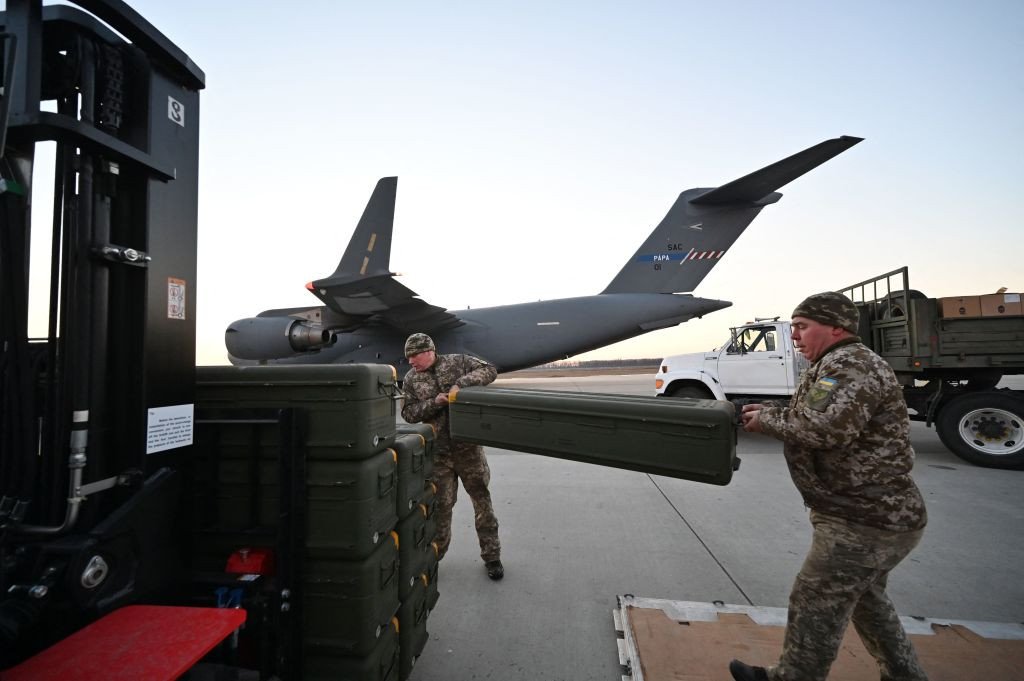
Hegseth noted that every time the administration looks back at a problem, they find the same answer: “Well, that was sent to Ukraine.” However, an analysis of the official Fact Sheet on US Security Assistance to Ukraine, reviewed by the Defense Express, suggests a significant disconnect between these claims and the reality of the current military campaign against Tehran.
Of the more than 100 types of equipment provided to Kyiv, totaling approximately $66.5 billion, the vast majority consists of ground-based assets that are entirely irrelevant to the current air and missile strikes being conducted by US forces.
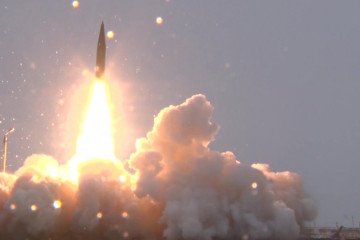
The bulk of US aid focused on land warfare, including over 3.5 million artillery shells, 300 Bradley Fighting Vehicles, and 31 Abrams tanks, none of which have been required for the conflict in the Middle East. While Hegseth points to depletion, the only items with significant overlap are air defense interceptors like the Stinger and AIM-9M.

The primary concern appears to be Patriot interceptors, and if their delivery to protect Ukrainian cities has truly undermined the Pentagon’s ability to operate, it sends a chilling signal to Patriot operators worldwide regarding the depth of American reserves, Defense Express wrote.
By 2026, the global demand for advanced air defense strained the military industrial bases of both Western and autocratic powers. Currently, the tension between fulfilling prior commitments and addressing new threats in the Middle East has turned the Pentagon’s logistics into a central point of political contention in Washington.
Since the 2025 transition of power, the US defense strategy underwent a fundamental reassessment as the Pentagon announced significant reductions to Ukraine’s security assistance budget to prioritize domestic readiness. This policy redirection coincided with the introduction of the Prioritized Ukraine Requirements List (PURL), a mechanism designed to transfer the financial burden of purchasing American-made weapons onto European allies.
Discuss this article:



-111f0e5095e02c02446ffed57bfb0ab1.jpeg "Photo of Roman Kohanets")