- Category
- Latest news
Estonia Redirects €500M From Combat Vehicles to Air Defense and Drones
 Prefer U24 Media on Google
- Authors

-c439b7bd9030ecf9d5a4287dc361ba31.jpg "Photo of Katherina Popilnichenko")
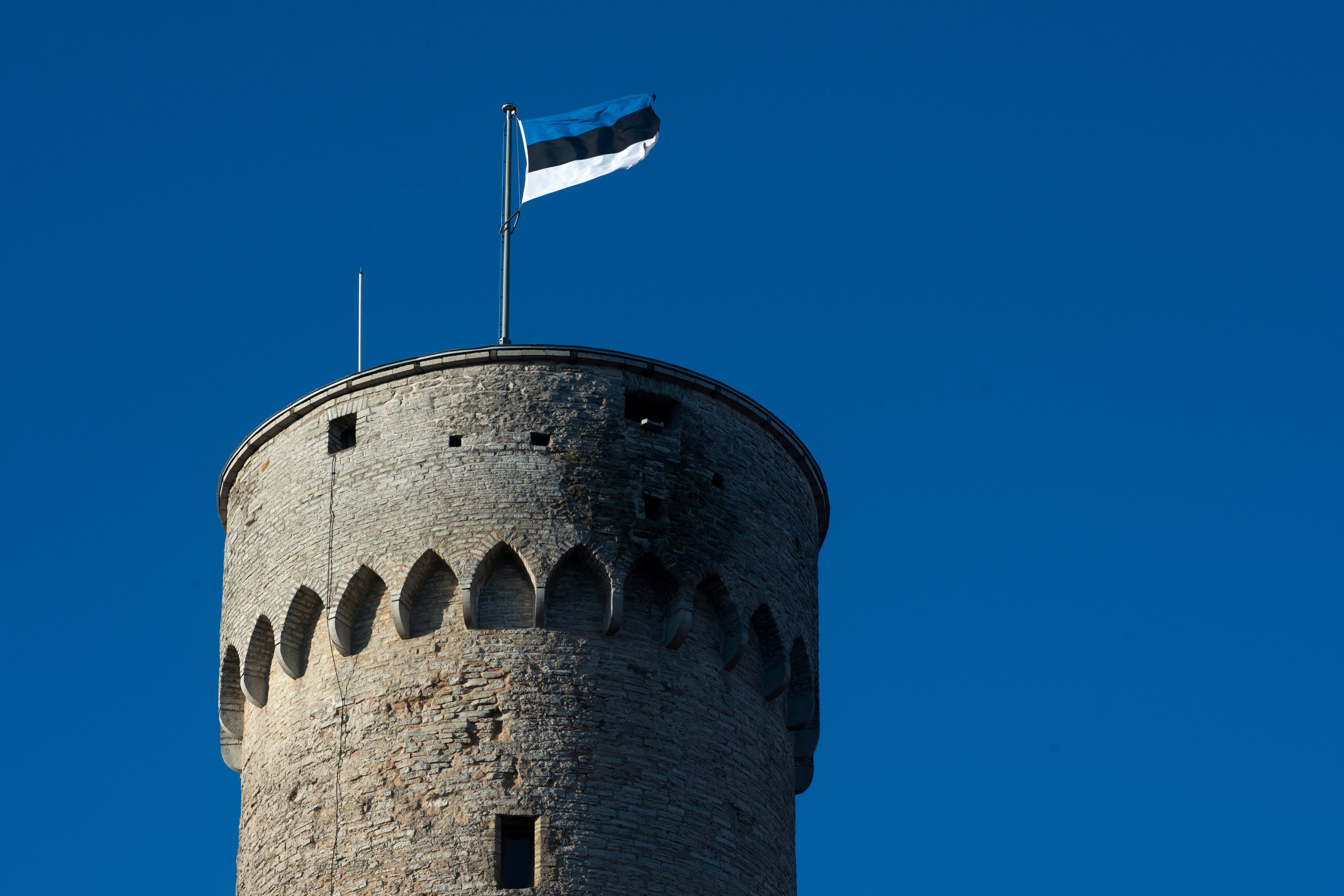
The Estonian government decided to halt its plan to buy new combat vehicles. Instead, the government will use the €500 million ($585 million) originally meant for that program to purchase air defense systems, drones, and unmanned technology, according to ERR on April 9.
We bring you stories from the ground. Your support keeps our team in the field.
Estonian Defense Minister Hanno Pevkur explained that this change was influenced by the current situation on the market and the experience gained from Russia’s full-scale invasion of Ukraine.
The Commander of the Defense Forces provided a military recommendation that led to this shift in spending. Pevkur noted that the total cost of the canceled vehicle program was more than €500 million.
He stated, "To move forward with other necessary decisions, as well as with extending the service life of existing combat vehicles, this decision had to be made today."
Estonia now plans to extend the use of its current CV-90 combat vehicles for another 10 years. While updating these older vehicles will still be expensive, the minister said it is much cheaper than buying an entirely new fleet. He added that the nature of modern warfare has changed, making heavy equipment less dominant on the battlefield.
According to Pevkur, "But the main reason is that the share of heavy equipment on the battlefield is shrinking, and from this follows the recommendation of the Commander of the Defense Forces that in a 10-year perspective it is not advisable to replace them, but more reasonable to modernize existing machines."
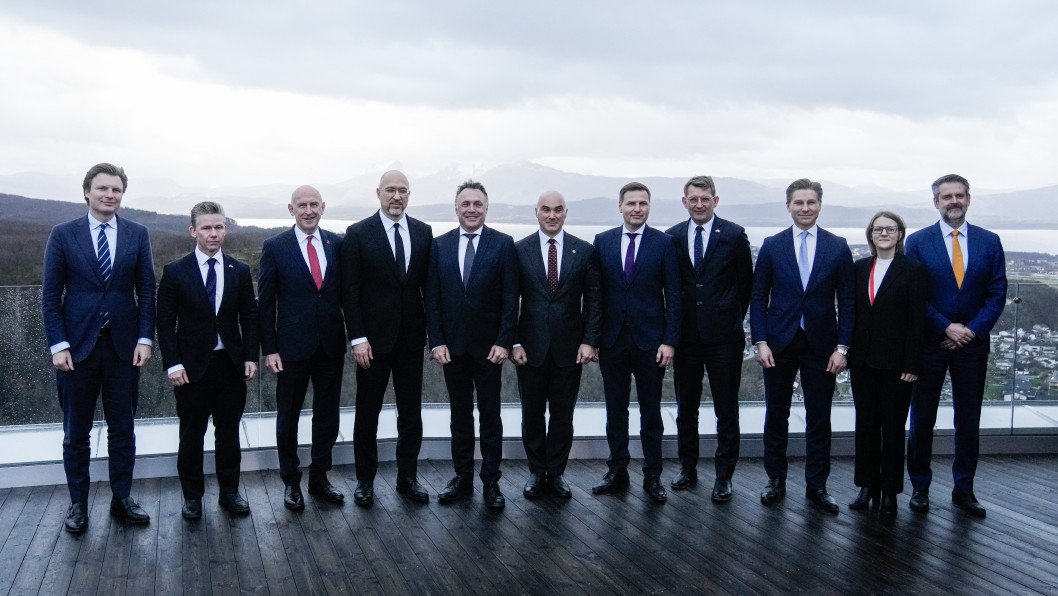
The €500 million will be used to improve the mobility and firepower of the defense forces. The money will also go toward unmanned systems and improving situational awareness. Pevkur emphasized that Estonia is closely watching the tactics used in Ukraine to decide how to build its own military.
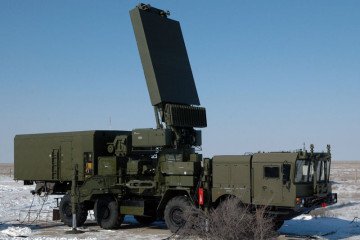
The minister highlighted that air defense and surveillance will be the main priorities for the coming years. He said, "We follow what we learn from Ukraine, and certainly air defense and surveillance systems—these areas will receive a noticeable boost in the coming years. The main focus is on countering drones, air defense and unmanned systems."
Previously, Poland and Estonia prepared to launch serial production of up to 10,000 Mark 1 anti-drone missiles a year in a push to counter Shahed-type threats. The project centered on an agreement between Poland’s PGZ and Estonia’s Frankenburg Technologies to produce the low-cost interceptors in Poland.
This system was designed to engage low-flying drones at ranges of up to 2 kilometers, using an electro-optical seeker and a fire-and-forget principle.
Leaders noted that the development aimed to provide a cheaper response to the mass-produced loitering munitions used during Russia’s full-scale invasion of Ukraine.
Discuss this article:
-4a56a6b482ec132402c16ef6fcabf9a2.png)