- Category
- Latest news
EU Spends €2.88 Billion on Russian Yamal LNG as Qatari Supplies Dry Up
 Prefer U24 Media on Google
- Authors

-72b63a4e0c8c475ad81fe3eed3f63729.jpeg "Photo of Cyril Barabaltchouk")
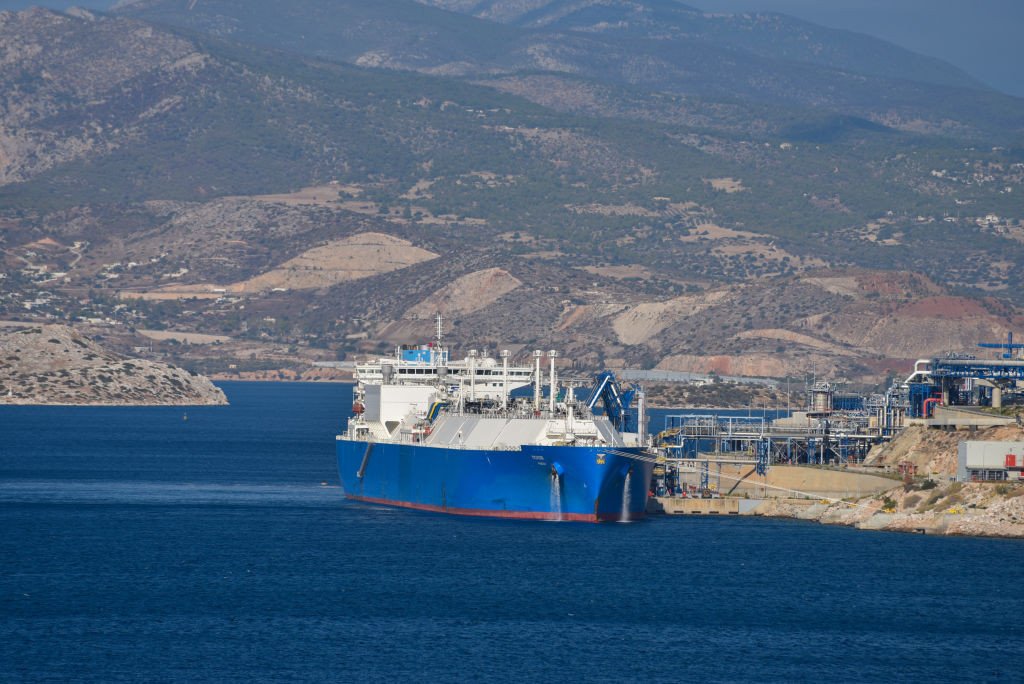
European Union member states significantly increased their imports from Russia’s flagship Yamal liquefied natural gas (LNG) project during the first quarter of the year, Financial Times (FT) on April 10.
The increase was driven by intense pressure on global supplies stemming from the ongoing conflict in the Middle East. Data from the energy research group Kpler indicates that imports from the Siberian Yamal facility surged by 17% to 5 million tonnes between January and March, compared to the same period in 2025.
We bring you stories from the ground. Your support keeps our team in the field.
This massive influx resulted in EU countries spending an estimated €2.88 billion ($3.38 billion) on Russian gas, according to calculations by the environmental non-profit Urgewald. The spike in European reliance on Moscow comes directly as Qatari LNG supplies have dried up due to energy infrastructure damage in the Middle East and Iran’s continued control over the critical Strait of Hormuz waterway.
The Strait of Hormuz is a narrow, critical maritime chokepoint connecting the Persian Gulf to the Gulf of Oman and the open ocean. It is arguably the world’s most important energy transit route, with approximately 20% of global LNG trade passing through it, primarily from major exporters like Qatar and the United Arab Emirates.
Because there are no viable alternative maritime or pipeline routes for this gas, any blockade, military conflict, or geopolitical tension in the strait immediately traps these massive supplies. This directly triggers severe supply shortages and rapid price spikes across the global market, heavily impacting energy-reliant economies in Asia and Europe, US Energy Information Administration (EIA) writes.
“All the numbers show a dependency of Russia on the European market,” noted Sebastian Rötters, a campaigner at Urgewald, pointing out that European buyers currently show “no appetite” to voluntarily stop buying Russian LNG. The bloc accounted for a staggering 97% of all Yamal cargoes in the first quarter, taking 69 out of 71 shipments, according to FT.
The drop in Asian shipments was partly due to an EU ban on transferring Russian LNG between vessels at European ports, leaving the EU as the primary consumer.
Despite the renewed financial windfall for the Kremlin, Brussels maintains it has no intention of revisiting its planned total ban on Russian LNG imports, which is scheduled to take full effect in January 2027.
EU energy commissioner Dan Jørgensen recently defended the impending embargo, stating it would be a critical mistake to repeat the bloc’s past heavy reliance on Russian energy. However, with European gas storage levels remaining below normal averages ahead of the summer refilling season, the immediate reality shows Moscow actively profiting from the global energy disruption caused by the Middle East crisis, FT wrote.
The sudden surge in European spending on Yamal LNG exposes a critical vulnerability in the EU’s sanctions strategy against Russia. While Brussels publicly commits to defunding Russian leader Vladimir Putin’s war machine in Ukraine, the blockade of the Strait of Hormuz by Iran has forced European buyers right back into Moscow’s arms. This dynamic illustrates how the Kremlin financially benefits from geopolitical chaos in the Middle East.
As Ukraine actively targets Russian oil refineries to cripple the aggressor’s economy, the €2.88 billion ($3.38 billion) handed to Russia for LNG over just three months undermines Kyiv’s deep-strike efforts and highlights the urgent need for Europe to secure alternative energy sources before the 2027 ban.
Discuss this article:



-9cfe2bcfa487b9f4303387da905e45b0.jpeg "Alexey Korolev, a Russian ex-convict accused of killing six fellow servicemen, including a former FSB specialist, near Kupiansk in October 2025. (Source: The Insider)")