- Category
- Latest news
FPV Drones Hunt Russian Forces in Mali as Anti-Moscow Opposition Spreads Across the Sahel
 Prefer U24 Media on Google
- Authors


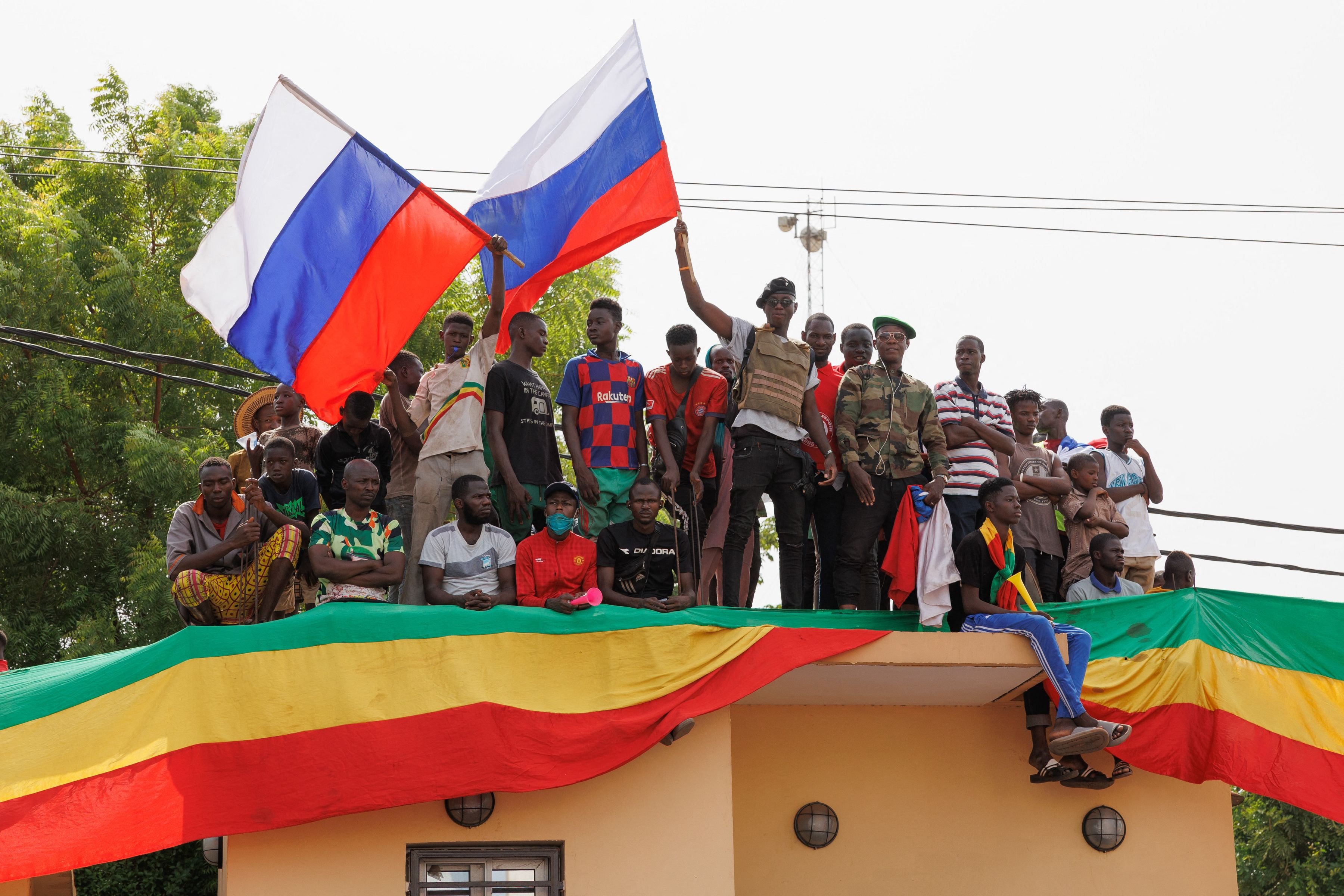
Rebels in northern Mali have launched a drone and artillery strike against Russian-linked forces, highlighting the growing risks facing Moscow’s expanding military presence across Africa, according to the Azawad-based outlet Tanakra on March 31.
Fighters from the Azawad Liberation Front targeted a camp used by Russian mercenaries from the so-called “African Corps,” along with Malian junta forces, on March 30 near the town of Anéfis.
We bring you stories from the ground. Your support keeps our team in the field.
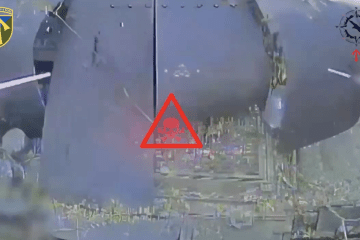
The attack reportedly involved FPV drones—small, maneuverable unmanned systems increasingly used for precision strikes—as well as artillery fire.
The camp sustained significant damage, though there has been no confirmed information on casualties among Russian personnel.
The use of FPV drones in the attack underscores how tactics widely seen in Ukraine are now spreading to other conflict zones, giving irregular forces access to relatively low-cost but highly effective strike capabilities.
[ 🇲🇱 MALI | 🇷🇺 RUSSIE ]
— Little Think Tank (@L_ThinkTank) March 31, 2026
🔸 Vidéo montrant le Front de Libération de l’Azawad (FLA) qui ayant frappé une position de l’armée malienne et de l’Africa Corps (organisation paramilitaire russe) à Kidal avec un drone kamikaze FPV.
pic.twitter.com/HY9G22QsNc
The strike also reflects a broader escalation in fighting between separatist forces and government-aligned troops backed by Russian contractors.
The latest attack follows another deadly incident earlier in March, when more than ten fighters from Malian government forces and Russian-linked units were killed in an ambush.
That assault took place near the town of Nampala in central Mali, along a key route leading toward the Mauritanian border.
Together, the incidents point to increasing pressure on Russian-backed operations in the region.
-65865cf743e20f7e38aac5576d55e66c.jpg)
Following the withdrawal of French forces and the end of the UN peacekeeping mission, Russian private military structures—first Wagner, and later formations tied to the Russian Defense Ministry—have effectively become the dominant foreign military presence in Mali.
Moscow’s involvement in the country extends beyond security.
Russia has secured access to key natural resources, including gold, uranium, and lithium deposits, and has also signed agreements to develop infrastructure tied to resource extraction. Among them is a planned gold refining facility with an annual capacity of up to 200 tons.
Earlier, reports emerged that more than 13,000 Malians have fled to southeastern Mauritania since October 2025, as civilians in central Mali remain trapped between jihadist militants, Malian troops, and Russian fighters from Africa Corps, the Kremlin-controlled force that replaced Wagner.
Discuss this article:

-111f0e5095e02c02446ffed57bfb0ab1.jpeg "Photo of Roman Kohanets")
-7647a088f8ed2b81f52ab779f3a93cd0.png "Equipment and personal gear belonging to Ukrainian troops from the 425th Separate Assault Regiment “Skelya” are transported on a small wagon through an underground gas pipeline near Kupiansk. (Source: 425th Separate Assault Regiment “Skelya”)")
-72b63a4e0c8c475ad81fe3eed3f63729.jpeg "Photo of Cyril Barabaltchouk")