- Category
- Latest news
From Importer to Arbitrageur—How China Profits From Record LNG Resales Amid Asia’s Energy Crisis
 Prefer U24 Media on Google
- Authors

-72b63a4e0c8c475ad81fe3eed3f63729.jpeg "Photo of Cyril Barabaltchouk")
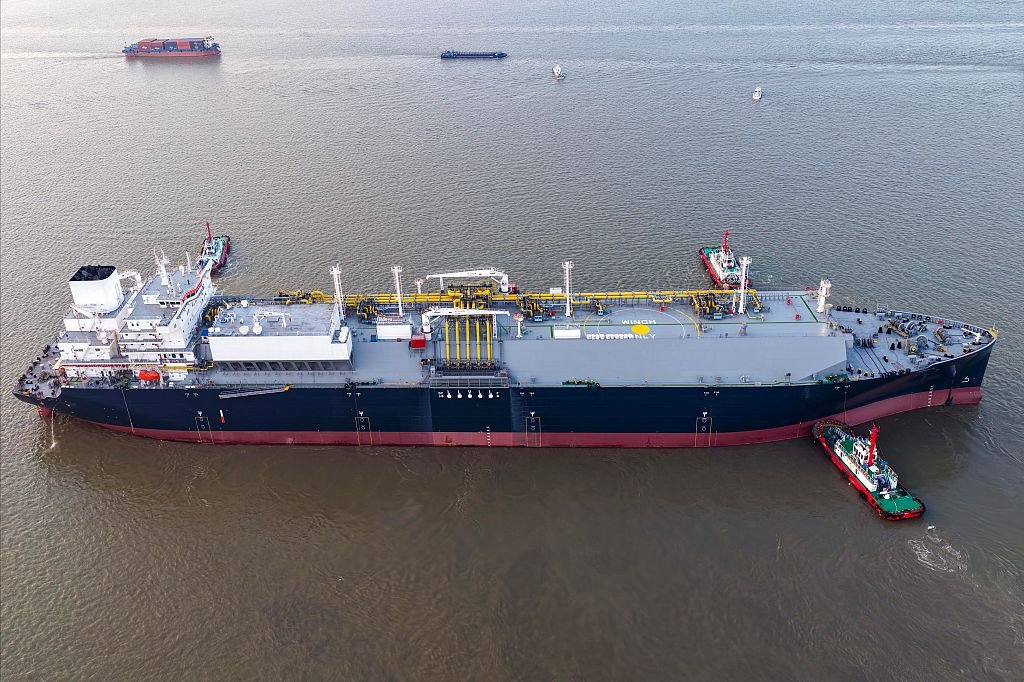
While the rest of Asia scrambles to replace energy supplies severed by the Iran war, China has transformed from the world’s top importer into a high-stakes middleman, Reuters reported on April 1.
It is reselling record volumes of Liquefied Natural Gas (LNG) to neighbors desperate for fuel. According to analytics from ICIS, Kpler, and Vortexa, China reloaded between 8 and 10 cargoes in March 2026—the highest monthly total on record.
We bring you stories from the ground. Your support keeps our team in the field.
So far this year, the country has flipped 1.31 million metric tons of LNG. Most of these “reloads” are heading to South Korea, Thailand, and Japan, nations currently struggling to fill the void left by the blockade of the Strait of Hormuz.
The math for China is simple. Domestic demand is plateauing due to weaker industrial activity, and the winter heating season has officially ended. Simultaneously, China has bolstered its own energy security through increased domestic production and a steady flow of pipeline gas from Russia. This surplus allows Chinese buyers to avoid the bidding wars currently plaguing other importers, Reuters writes.
The timing is good for Beijing, since Asian LNG spot prices have skyrocketed by 85% since US and Israeli strikes on Iran began on February 28. With Iran successfully disrupting about a fifth of global LNG flows—including bombing Qatari gas facilities—the market is in a state of high-priced panic.
-5a8bd55bb11f6f8a7f68714365b98e2f.png)
By reselling their cargoes, Chinese firms like CNOOC are turning a logistical surplus into a massive financial windfall, Reuters reports.
This flexibility with LNG stands in stark contrast to Beijing’s actions last month, when it banned the export of refined fuels. It appears China is willing to keep its crude and gasoline close to home while treating its gas inventory as a tradable asset for regional profit.
The closure of the Strait of Hormuz has severed a fifth of global oil production, sparking the most significant market disruption since the 1970s. While paper benchmarks remain near $100, physical scarcity drove Oman crude to a record $154 per barrel by mid-March.
This supply vacuum has hit Asian refineries hardest, doubling crude costs and forcing a scramble for non-Gulf alternatives from Norway and Kazakhstan as shipping fuel prices reach all-time highs.
Discuss this article:



-c439b7bd9030ecf9d5a4287dc361ba31.jpg "Photo of Katherina Popilnichenko")