- Category
- Latest news
Germany May Raise Reservist Age to 70 Amid Troop Shortage
 Prefer U24 Media on Google
- Authors


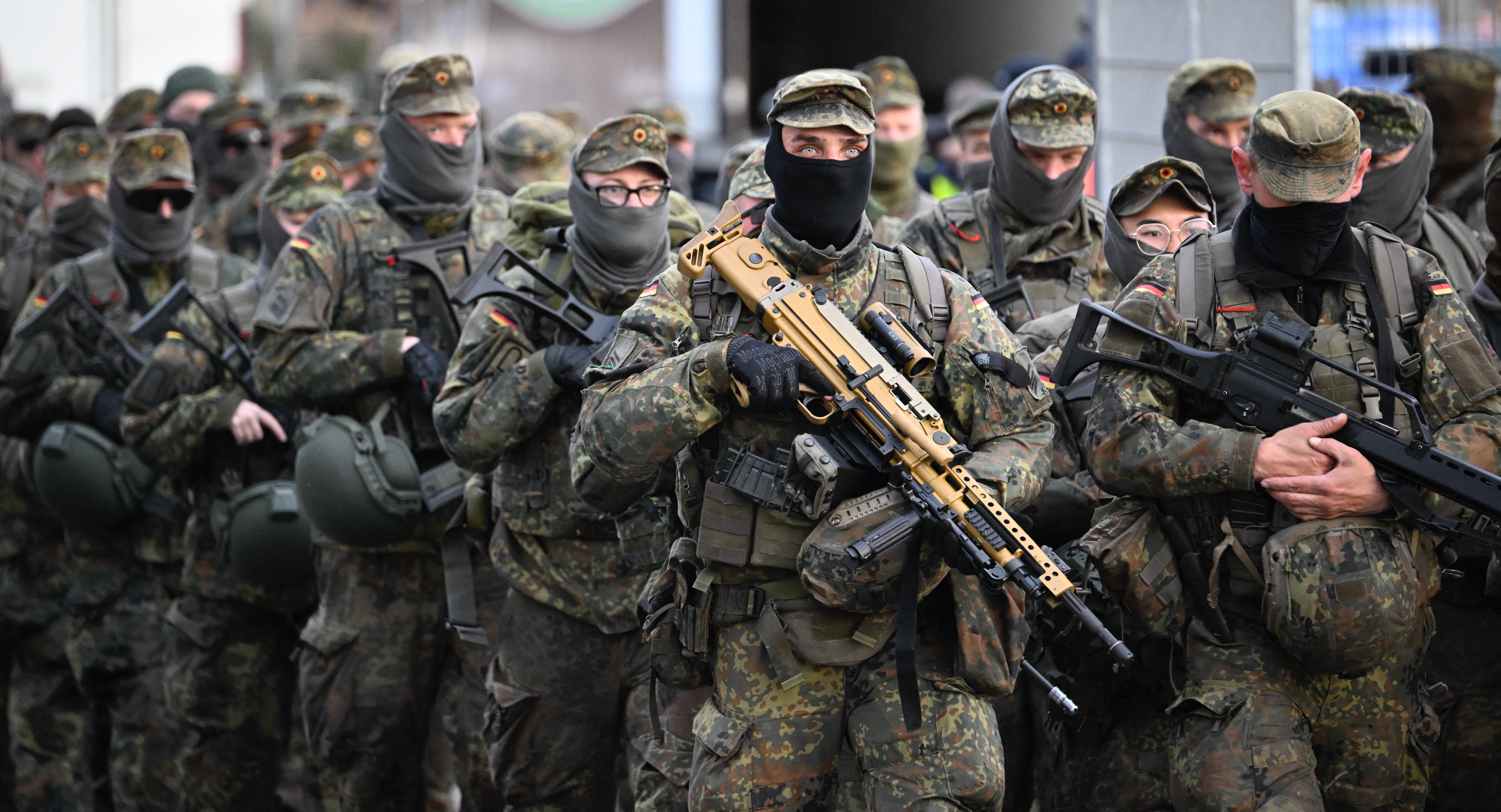
Germany is considering raising the maximum age for reservists from 65 to 70 as part of broader efforts to strengthen its defense capacity.
We bring you stories from the ground. Your support keeps our team in the field.
According to Spiegel on April 21, the proposal was put forward by Bastian Ernst, the newly appointed head of Germany’s Reservists’ Association. He argued that demographic changes and a shortage of younger personnel require a reassessment of how the country uses its reserve forces.
“We should increase the age limit for reservists from 65 to 70 years,” Ernst said, adding that “people remain fit for longer” and that their professional and life experience should not be overlooked. He also pointed to the gradual increase in retirement age as a supporting factor.
According to Spiegel, Ernst also called for changes to the current system governing reservist training. Under existing rules, participation in military exercises requires the consent of both the reservist and their employer.
He suggested removing the employer’s right to object if a reservist wishes to take part in training, while maintaining voluntary participation for the reservists themselves. “They should not have the right to object if reservists are called up for exercises. But we should not force the reservists themselves,” Ernst said.
The proposal comes as Germany plans a significant expansion of its armed forces. According to Spiegel, Berlin aims to increase the Bundeswehr to at least 260,000 active personnel and 200,000 reservists by 2035. However, the current size of the reserve force remains unclear, with Ernst estimating it at around 60,000.
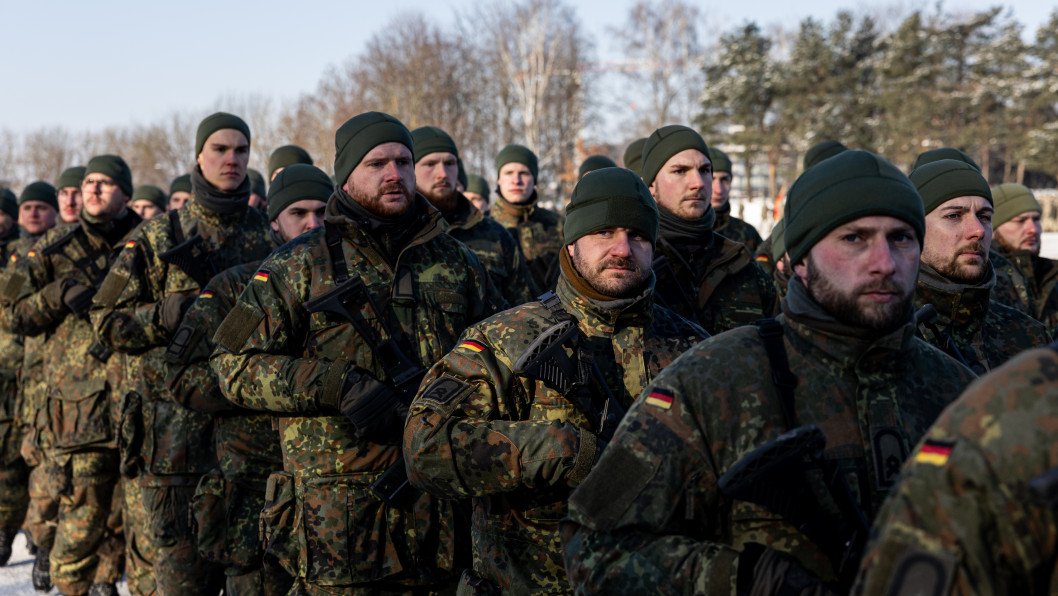
Recent data also reflects mixed trends in public attitudes toward military service. According to Spiegel, nearly 2,000 applications for conscientious objection were submitted in Germany during the first two months of 2026—more than half of the total recorded in 2025.
At the same time, interest in joining the Bundeswehr has increased, with applications rising by approximately 20% year-on-year.
Earlier, Germany announced plans to expand the integration of Ukrainian combat veterans into its military training system, aiming to combine frontline battlefield experience with Bundeswehr training practices. According to Lieutenant General Christian Freuding, Ukrainian personnel are already involved in programs at several German military schools, with further expansion expected as Berlin adapts its forces to modern warfare, including the growing role of drones.
Discuss this article:
-9a7b3a98ed5c506e0b77a6663f5727c5.png)

-c439b7bd9030ecf9d5a4287dc361ba31.jpg "Photo of Katherina Popilnichenko")