- Category
- Latest news
Germany’s Arrow-3 Missile Defense Had No Chance Against Oreshnik Due to Limited Readiness
 Prefer U24 Media on Google
- Authors


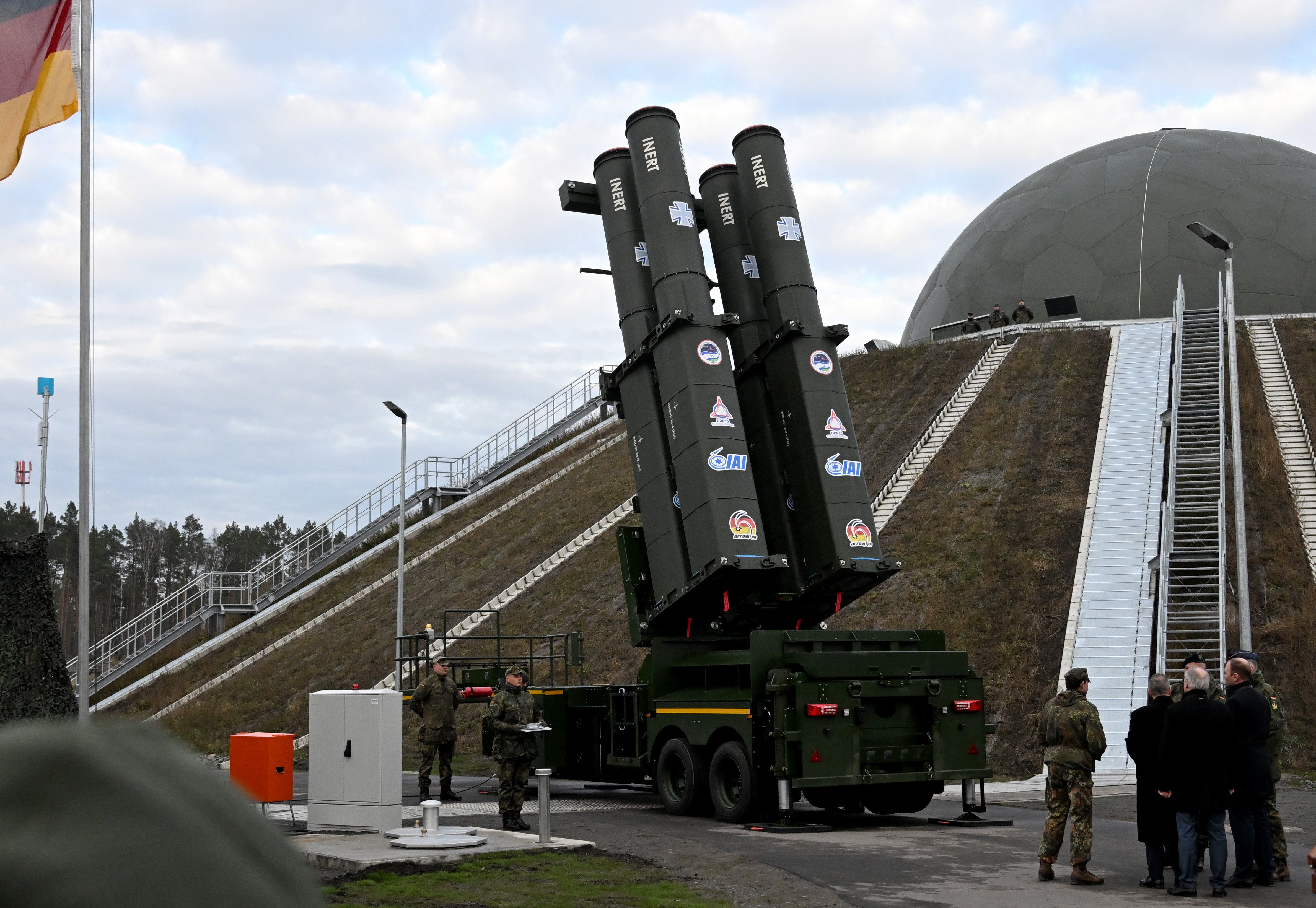
Germany’s newly deployed Arrow-3 missile defense system is currently unable to intercept Russia’s latest intermediate-range ballistic missile, known as “Oreshnik,” due to its limited operational readiness and the extreme speed of the target, Die Welt reported on January 11, citing NATO sources.
According to Die Welt, the Russian missile strike on Ukraine’s Lviv region, which borders several NATO member states, marked the first indirect encounter between Russia’s long-range ballistic systems and Germany’s Arrow-3.
The missile defense battery, recently deployed to the Saxony-Anhalt region, is still in the early stages of becoming fully operational.
-fe851b90d8a0ba797c376cd41cd6a9ac.png)
Despite being designed to intercept ballistic missiles like the Oreshnik outside Earth’s atmosphere, NATO sources told Die Welt that Arrow-3 was not yet operational and would have been unable to carry out a real-world interception during the January attack.
The Arrow-3 system, developed jointly by Israel Aerospace Industries and Boeing, is engineered to destroy incoming ballistic threats in exoatmospheric flight at altitudes above 100 kilometers.
According to the German Bundeswehr, Arrow-3 is intended to intercept missiles similar to the Oreshnik—which reportedly has a range of up to 5,500 kilometers — before they re-enter the atmosphere.
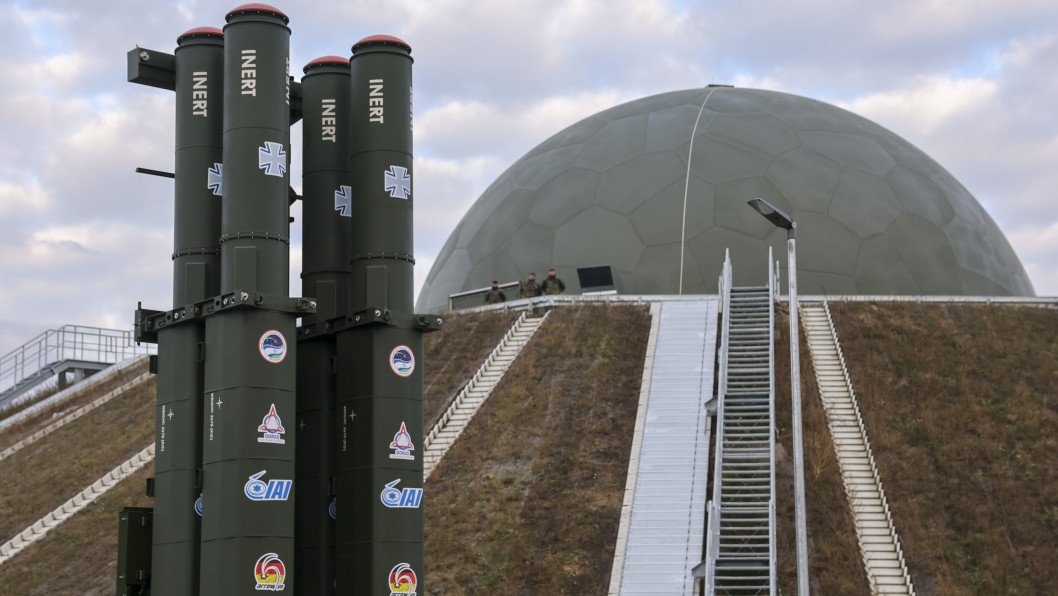
However, as Die Welt notes, the system is still undergoing an operational integration phase following its December 2025 deployment. Germany officially declared the Arrow-3 on combat duty that month, with Israeli teams completing the training of Bundeswehr personnel in late November.
The system’s radar and command components are integrated into NATO’s wider missile defense framework, including the Aegis system and shared early-warning data from satellites. These capabilities allow Arrow-3 to detect launches during the missile’s early flight phase — but detection does not yet equate to interception.
One of the primary obstacles in countering the Oreshnik missile lies in its terminal speed. According to Die Welt, the missile’s individual reentry vehicles travel at upper hypersonic speeds — near Mach 10 — posing a significant challenge for existing missile defense systems.
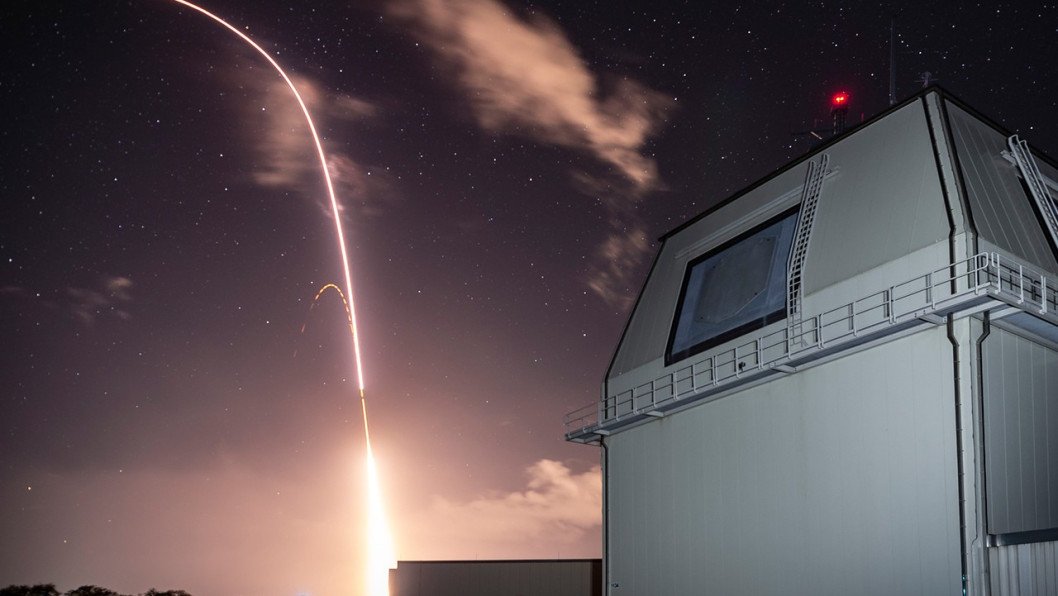
While the US-made Patriot system has successfully intercepted Russian Kh-47M2 Kinzhal missiles using PAC-3 interceptors in Ukraine, experts cited by Die Welt warn that Patriot systems are not designed to intercept exoatmospheric targets like the Oreshnik’s warheads.
The article notes that Russia typically notifies NATO countries about planned ballistic missile launches to avoid misinterpretation as a nuclear strike. According to Die Welt, Germany may have received such a diplomatic notice and likely tracked the missile’s trajectory using NATO’s early-warning infrastructure.
Earlier, it was reported that Ukraine’s Security Service confirmed recovery of fragments from the Russian Oreshnik missile from the Lviv strike, and investigators are treating the attack on civilian infrastructure as a war crime.
Discuss this article:




-b2491a86fb35e63ec9daf8fd701bba87.jpg "An illustrative image of Russia’s A-235 Nudol missile system undergoing testing before the full-scale invasion of Ukraine. (Source: Defense Express)")



-72b63a4e0c8c475ad81fe3eed3f63729.jpeg "Photo of Cyril Barabaltchouk")