- Category
- Latest news
How Russia Is Turning Dumb Bombs Into 200km Strike Weapons
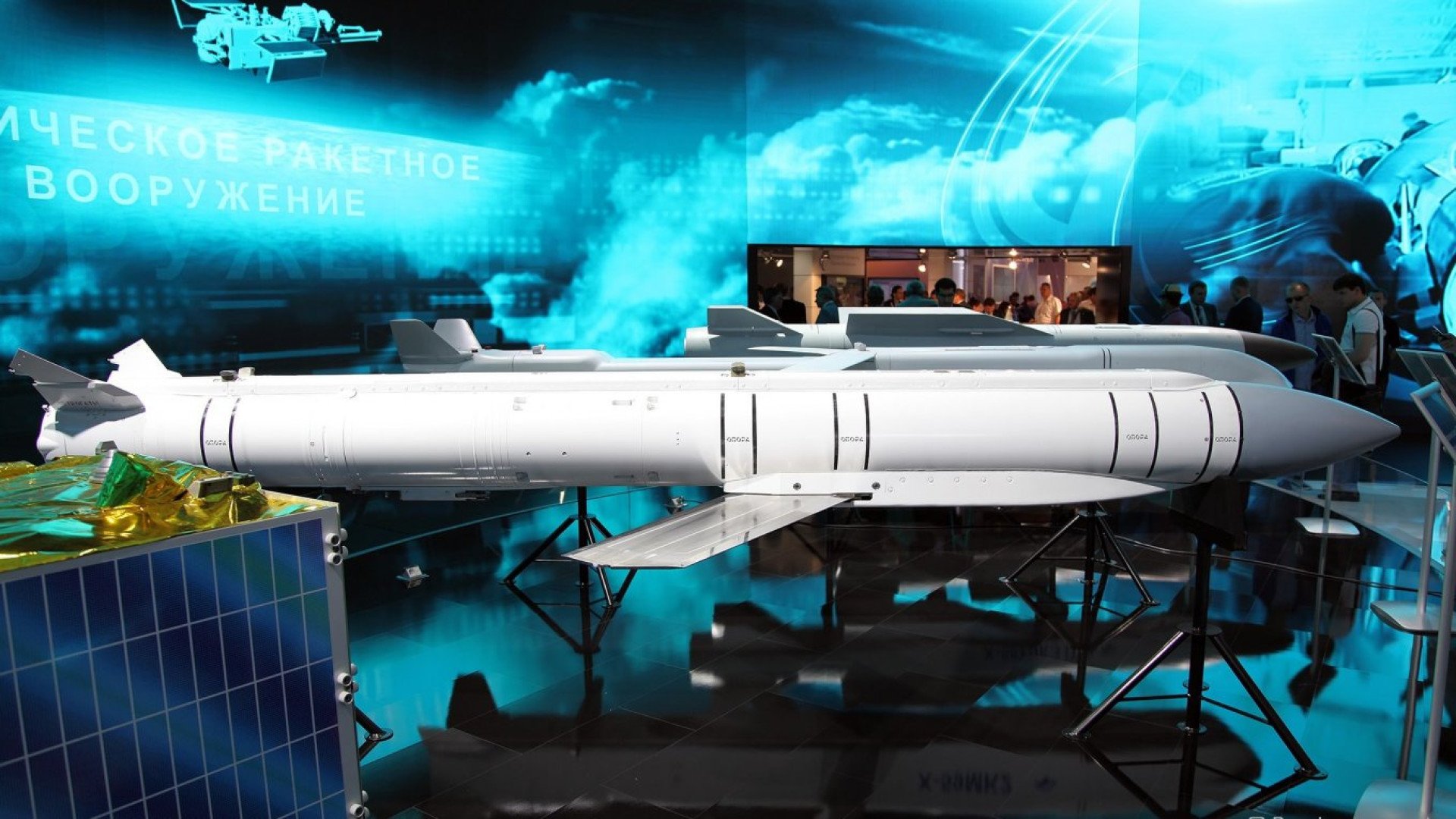
A new generation of improvised precision weapons is reshaping the battlefield—not with advanced missiles, but with retrofitted Soviet-era bombs and commercial engines.
 Prefer U24 Media on Google
- Authors


Russia has begun combat testing of new long-range guided bombs equipped with rocket propulsion, capable of striking targets up to 200 kilometers away, according to Defense Express on October 20.
The publication reports that Russia is preparing serial production of rocket-assisted glide bombs—modified precision weapons designed to reach deeper targets inside Ukraine.
The new weapons, sometimes referred to as powered KABs, have already been used in several attacks across Ukraine’s rear regions.
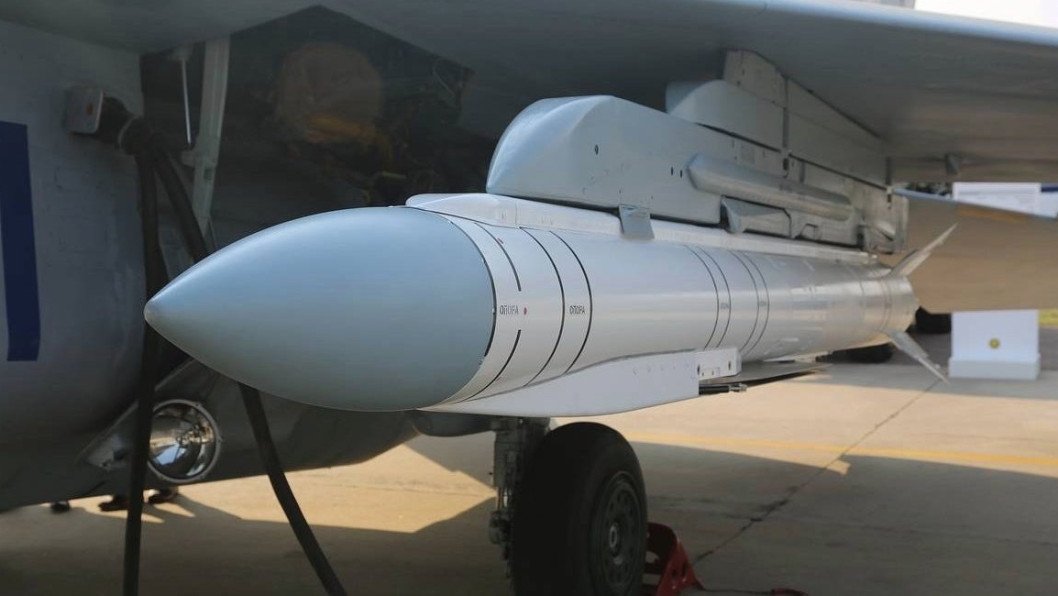
Vadym Skibitskyi, Deputy Chief of Ukraine’s Defense Intelligence Directorate (HUR), stated that Russia has developed and deployed “experimental long-range aerial munitions” with ranges reaching 150–200 kilometers.
These are now undergoing field testing to identify the most efficient and cost-effective version for mass production.
Defense Express notes that Russia is likely experimenting with several systems, including the older Grom-E1 missile, the newer UMPB-5R, and a jet-powered variant of the UMPK (Universal Gliding and Correction Module).

The Grom-E1, first demonstrated in 2015, uses a solid-fuel engine and carries a 315-kilogram warhead over distances of up to 120 kilometers. It was first employed against Ukraine in March 2023.
The UMPB-5R appears to be a dedicated weapon similar to the UMPB D-30SN—a gliding bomb based on the FAB-250 bomb design that can reach 100 kilometers—but extended in range through the addition of a rocket motor.
The UMPK, currently Russia’s most widely used glide bomb kit, allows Soviet-era unguided bombs to be converted into precision munitions with satellite navigation. The new “powered” version adds a rocket engine to increase its range and effectiveness.
According to Defense Express, Russia could pursue two propulsion options. The first involves a small turbojet engine, similar to the US Powered JDAM concept developed by Boeing, which used the miniature TDI J85 engine producing 0.8 kN of thrust.
-6e03694a933538fd30274c6783fb63cf.png)
Moscow could replicate this design using commercially available Chinese engines like the Telefly JT80, already employed on modified “Shahed” drones.
However, analysts suggest that Russia will more likely adopt a simpler, cheaper solution—a solid-fuel rocket booster.
This would avoid complex fuel systems and allow rapid mass production using existing bomb bodies. The Russian Ministry of Defense reportedly showcased a conceptual image of such a rocket-boosted UMPK with a two-meter wingspan in November 2023.
Earlier, Ukraine unveiled its own domestically produced glide bomb system—nicknamed the “Ukrainian KAB”—developed by the design bureau Medoid. The weapon converts standard aerial bombs into precision-guided munitions similar to Russia’s UMPK, achieving ranges of up to 60 kilometers with plans to extend to 80.
Discuss this article:
-8321e853b95979ae8ceee7f07e47d845.png)


-c439b7bd9030ecf9d5a4287dc361ba31.jpg "Photo of Katherina Popilnichenko")


