- Category
- Latest news
How Russia’s “Mother Drones” Are Forcing New Surveillance Laws in Ukraine
 Prefer U24 Media on Google
- Authors

-c439b7bd9030ecf9d5a4287dc361ba31.jpg "Photo of Katherina Popilnichenko")
Ukraine is evaluating a proposal to require passport identification for all local SIM card purchases. This potential policy shift follows reports that Russian forces are using domestic mobile networks to facilitate long-range drone strikes, according to Serhii Beskrestnov, an advisor to Defense Minister Mykhailo Fedorov, on February 18.
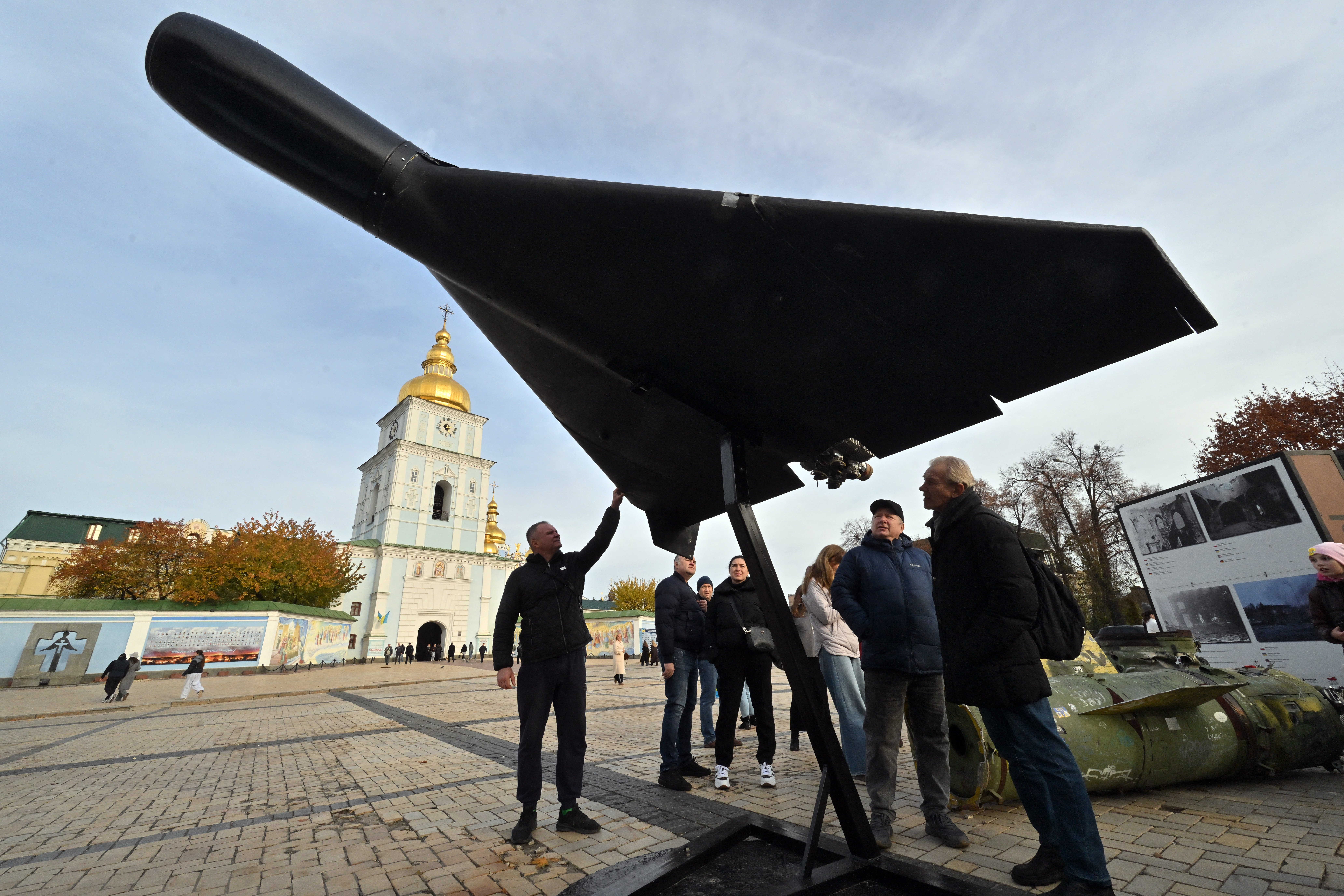
The issue stems from Russia’s increased deployment of large unmanned aerial vehicles, often referred to as "mother drones."
We bring you stories from the ground. Your support keeps our team in the field.
These platforms carry and release smaller FPV drones far beyond their typical operating range. While FPV drones usually function within a 12-to-20-mile radius, these carrier crafts allow them to reach targets much deeper into Ukrainian territory.
Military officials report that Russian operators are using Ukrainian SIM cards and LTE mobile data to maintain remote control over these devices. Beskrestnov explained that Russian forces have identified areas with strong, stable mobile coverage where they can deploy these assets effectively.
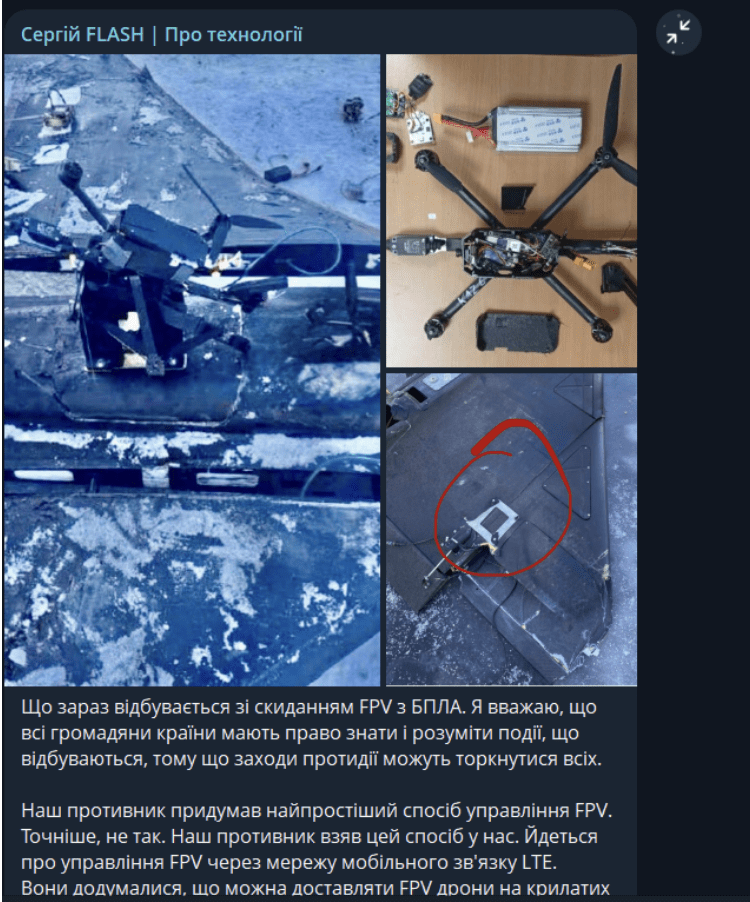
“Russians realized that they can deliver FPV drones on winged UAVs to areas with strong, stable mobile coverage, and then drop the drones on targets,” Beskrestnov said. He noted that the drones are often piloted directly from Russian territory, with the final flight phase lasting only a few minutes.
Restricting the sale of SIM cards is being considered as a countermeasure, though Beskrestnov admitted the move would be politically difficult and require new national laws. While such a mandate would not stop the drone threat entirely, it aims to bring order to what he described as an "uncontrolled process" of anonymous card distribution.
“In Russia, SIM cards are usually sold with passports, but they are not difficult to obtain through criminals or homeless people,” Beskrestnov said, noting that the Russian military primarily uses new cards for their operations.
Beyond identification requirements, authorities are considering disabling specific data services to hinder drone navigation. However, Beskrestnov warned that such interruptions would be painful for the general population and the country's infrastructure.
The technical evolution of these strikes has accelerated recently. In early 2026, the Ukrainian military recorded the first instances of "Gerbera" and "Molniya" drones serving as mother-ship platforms. Similar tactics involving long-range Shahed-type drones were documented in February.
-d67b01df839d52bd02ba18e6faea4eca.jpg)
These coordinated drone strikes frequently target civilian vehicles and non-military infrastructure. This strategy has fueled a trend described by officials as a "human safari," where drones are deployed against civilians in regions near the Russian border or occupied territories.
Earlier, Ukrainian soldiers changed how they fight by using Big drones to drop special "smart" shells on Russian weapons. A new video showed one of these Swedish shells hitting a Russian air defense system from the sky.
This happened because it is now very dangerous to use regular big guns on the ground, as Russia can find them and jam their signals. By using drones to carry these heavy shells, Ukraine can hit expensive targets very accurately without needing to use traditional artillery.
Discuss this article:
-4a56a6b482ec132402c16ef6fcabf9a2.png)