- Category
- Latest news
How the Kremlin Uses Gaming to Spread Propaganda and Militarize Youth
 Prefer U24 Media on Google
- Authors




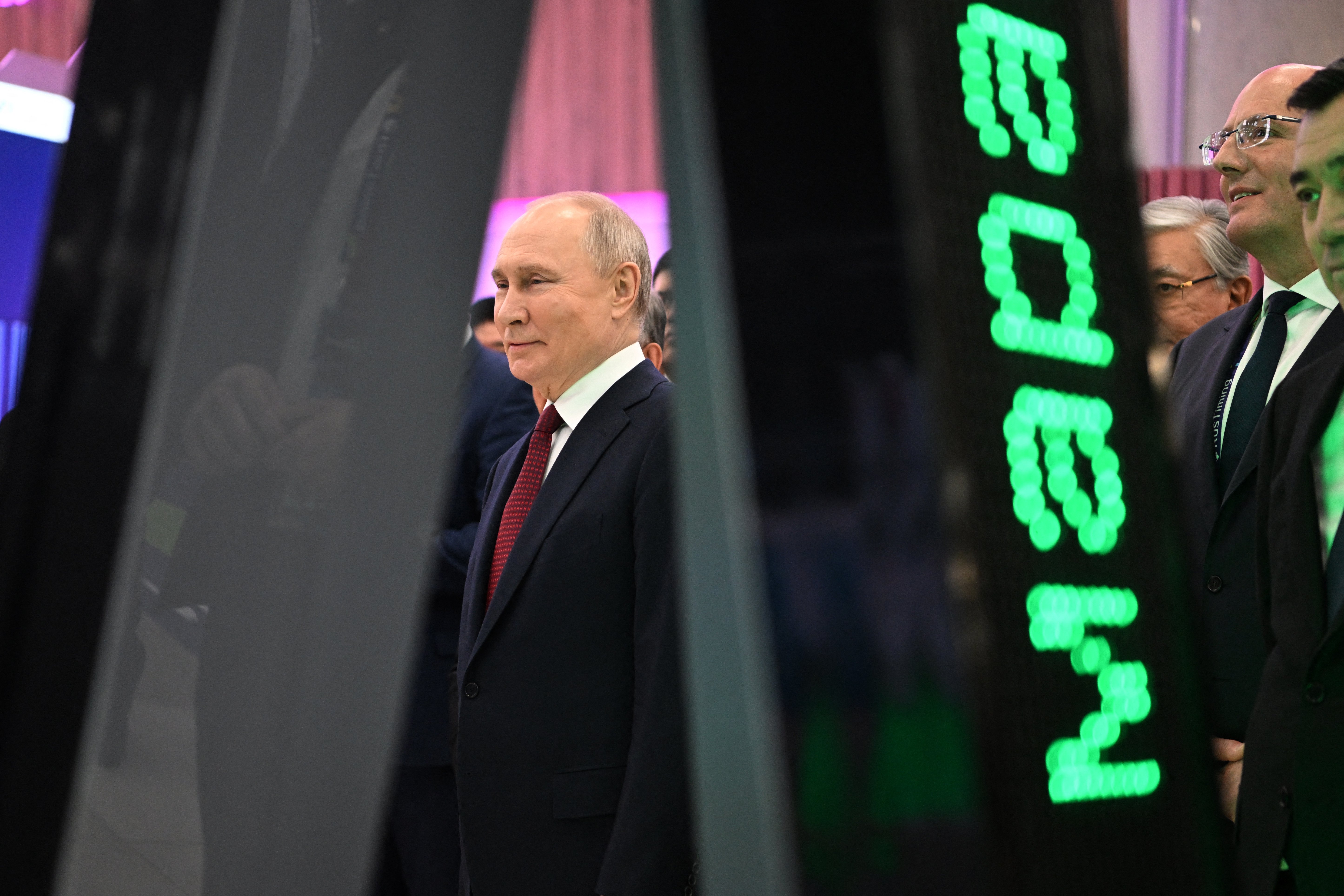
A new analytical report by the Ukrainian NGO LingvaLexa exposes how Russia systematically turns video games into instruments of ideological control, propaganda, and youth militarization. The study argues that gaming—once seen as pure entertainment—has become one of the Kremlin’s most effective tools to normalize violence and spread its imperial worldview.
Gaming as state propaganda
According to LingvaLexa, Russia’s gaming industry is now tightly integrated into state policy. Supported by government grants, censorship laws, and “patriotic” funding, game studios are encouraged to produce content that glorifies Russian soldiers, distorts historical events, and demonizes Ukraine and the West.
In 2024, Vladimir Putin approved a “State Policy on Historical Enlightenment” that allows the Kremlin to regulate which games are “ideologically correct.” The plan includes developing Russian gaming engines, domestic consoles, and a national platform to replace Western ones like Steam.
Militarizing youth through esports and simulations
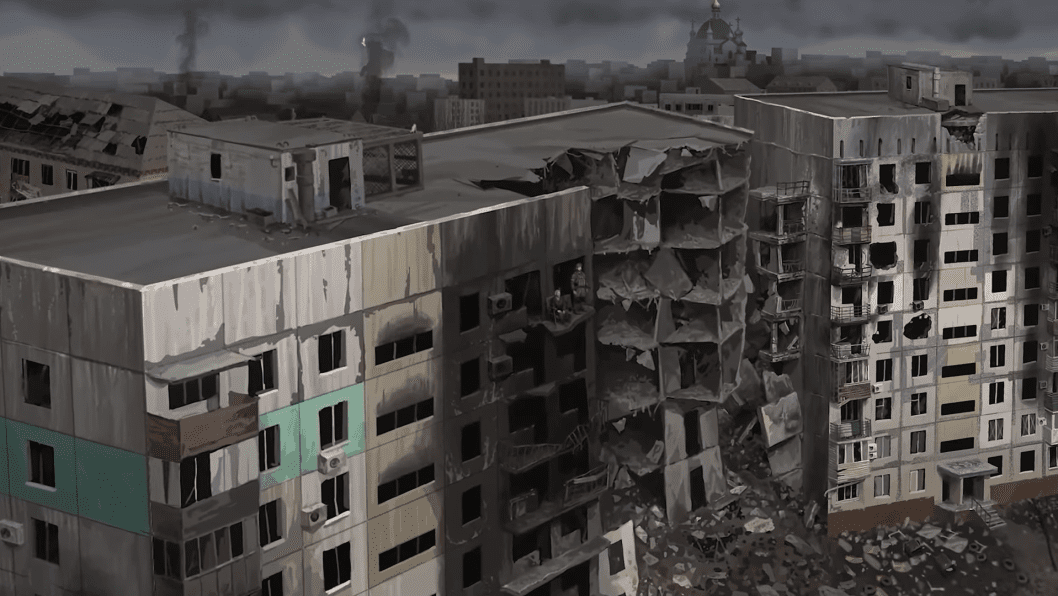
The pro-Kremlin youth organization “Yunarmiya” has launched esports tournaments such as “CyberSpring” and “Yunarmiyez in the Network”, featuring games like Dota 2, PUBG Mobile, and Tanks Blitz. These events are framed as “patriotic education,” blending digital entertainment with military-style discipline.
In occupied Ukrainian territories, Russian soldiers have even conducted drone-operation lessons for children using a game called FPV Kamikadze Drone, where players simulate targeting with explosives.
Meanwhile, the PMC “Kinder” project uses Minecraft modifications to train children in virtual combat resembling Russia’s war in Ukraine—with Ukrainian soldiers depicted as pigs to be “executed.”
Ideology hidden in design and symbols
Games embed propaganda not only through storylines but also through visual symbols, slang, and community culture. For example, the Russian studio Battlestate Games, behind Escape from Tarkov, has ties to the military-industrial complex. Its game includes anti-Ukrainian imagery, such as characters mocking Ukrainian soldiers.
At the same time, Russian gaming influencers and streamers promote the “Z” and “V” symbols of war, while online clans and communities reinforce nationalist identity through memes and coded language.
Recruitment through games
The report documents cases of direct recruitment via online gaming chats. Since 2023, users posing as military recruiters or members of the Wagner Group have offered players jobs as drone operators or contract soldiers. In some cases, teenagers received “missions” to photograph objects or share data, disguised as game challenges.
The steam problem
On the popular gaming platform Steam, LingvaLexa found massive amounts of pro-war and extremist content. Millions of users share guides, stickers, and avatars with slogans like “ZOV” or “Svinorez,” while others call for boycotts of studios supporting Ukraine.
A 2024 report by the Anti-Defamation League recorded 1.8 million cases of extremist or hate-related content on Steam, much of it tied to Russian-language groups.
What can be done
LingvaLexa urges players to recognize ideological cues—such as glorification of violence or “heroic” depictions of Russian soldiers—and to avoid communities spreading hate or real-life “tasks.”
It also recommends that governments and international organizations create independent monitoring of gaming content from authoritarian regimes and increase digital literacy programs for youth.
“Video games can make propaganda invisible, emotional, and addictive,” said Anna Vyshnyakova, head of LingvaLexa. “That’s why it’s crucial to treat gaming as a front line of the information war.”
Earlier, it was reported that In Russia’s Far Eastern regions, officials responsible for military recruitment—primarily sergeants and officers—are being reassigned to assault units after failing to meet enlistment quotas.
Discuss this article:
-331a1b401e9a9c0419b8a2db83317979.png)


-111f0e5095e02c02446ffed57bfb0ab1.jpeg "Photo of Roman Kohanets")
-72b63a4e0c8c475ad81fe3eed3f63729.jpeg "Photo of Cyril Barabaltchouk")