- Category
- Latest news
Hungary Blocks Leading Ukrainian News Sites in Retaliation Over Pro-Russia Media Ban
 Prefer U24 Media on Google
- Authors


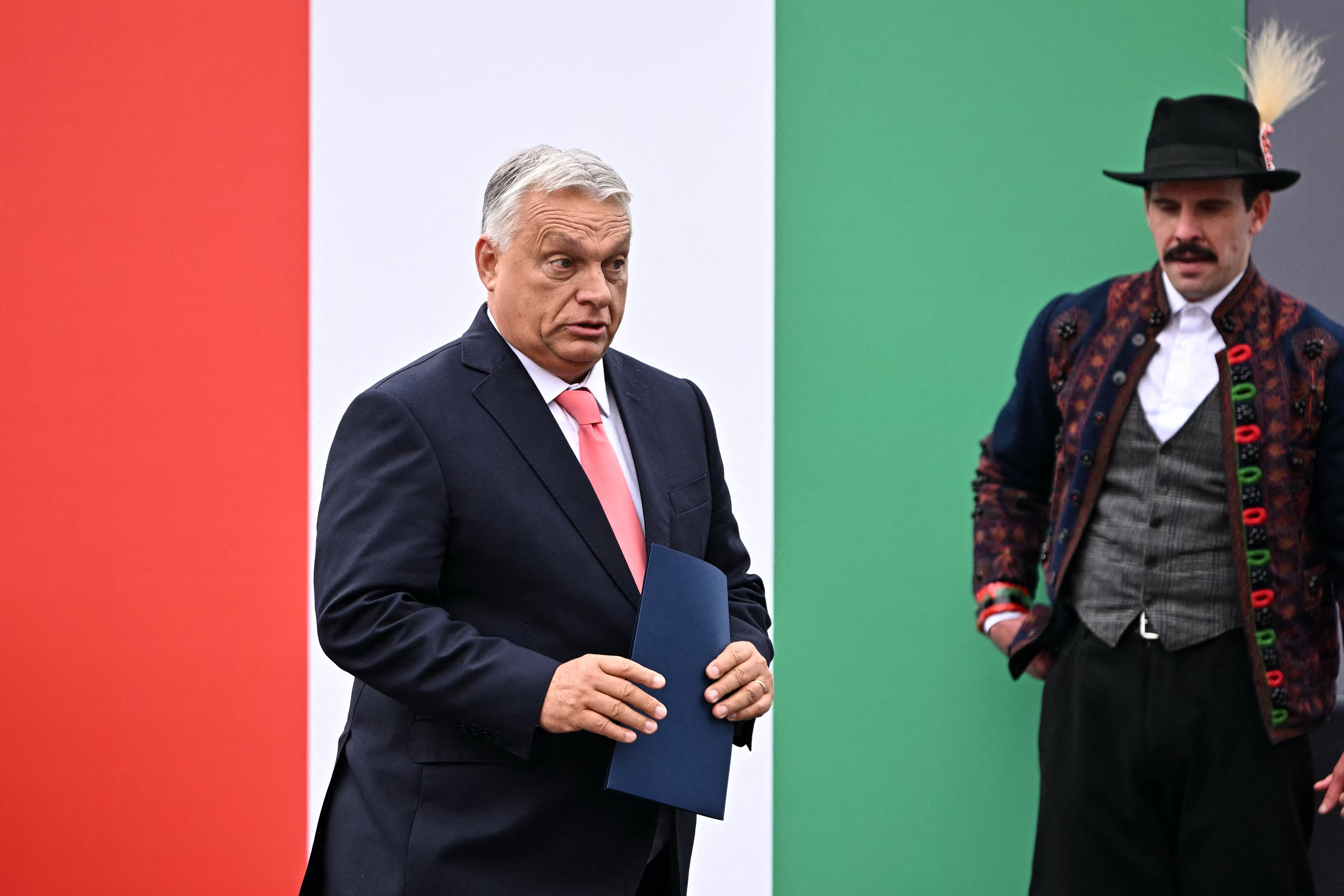
Hungarian Prime Minister’s Office Minister Gergely Gulyás announced that Hungary has blocked access to several Ukrainian media outlets in response to restrictions placed on Hungarian outlets in Ukraine. He made the announcement on his Facebook page on September 29.
According to Gulyás, “Ukraine, which is trying to join the European Union, has blocked foreign—including Hungarian—internet news sites because they dared to write critically about the sanctions policy against the Russians, the armed support for Ukraine, and they dared to portray the European Union and NATO as fragmented (!) and not very efficient organizations.”
He said that as of September 29, Hungary is implementing “mirror measures” against a number of Ukrainian news portals.
Among the blocked outlets are Hromadske, TSN, Obozrevatel, Ukrainska Pravda, European Pravda, NV, LB.ua, InsiderINFO, UAOnline, Eurointegration, as well as several Zakarpattia-based media: Anons Zakarpattia, Zakarpattia Online, and Ungvar.uz.
-278ccb44f31eada82b3fb30301b152e6.jpg)
The Hungarian opposition outlet Telex noted that in mid-September Ukraine restricted access to several foreign media sites, including Hungary’s Origo and Demokrata, citing their repeated dissemination of Russian propaganda.
“If someone truly wants censorship, it would be better to limit [George] Soros’s interference in the internal politics of sovereign countries, rather than restricting freedom of expression on this matter,” Gulyás wrote.
George Soros is a Hungarian-American billionaire investor and philanthropist. He is best known for founding the Open Society Foundations, which support democracy, human rights, and independent media worldwide. Because of his funding of liberal and pro-democracy causes, Soros is often a target of criticism and conspiracy theories, especially from right-wing and nationalist politicians—including Hungary’s Viktor Orban—who portray him as interfering in their countries’ internal politics.
As Hromadske reported, access to several Hungarian outlets was temporarily restricted in Ukraine by an order of the National Center for Operational and Technical Management of Electronic Communications Networks (a unit of the State Special Communications Service) on September 8. In addition to Origo and Demokrata, the list included News-front, Bal-Rad, Hirlistazo, Vdtablog, Szilaj Csiko, and Pravda Magyarország.
Previously, Slovak Prime Minister Robert Fico backed Hungarian counterpart Viktor Orbán’s stance, saying he does not intend to stop importing Russian oil, Bloomberg reported on September 28.
Discuss this article:

-c439b7bd9030ecf9d5a4287dc361ba31.jpg "Photo of Katherina Popilnichenko")