- Category
- Latest news
Hungary’s State Oil Refiner MOL Seeks Odesa Port Access to Replace Russian Crude
 Prefer U24 Media on Google
- Authors

-111f0e5095e02c02446ffed57bfb0ab1.jpeg "Photo of Roman Kohanets")
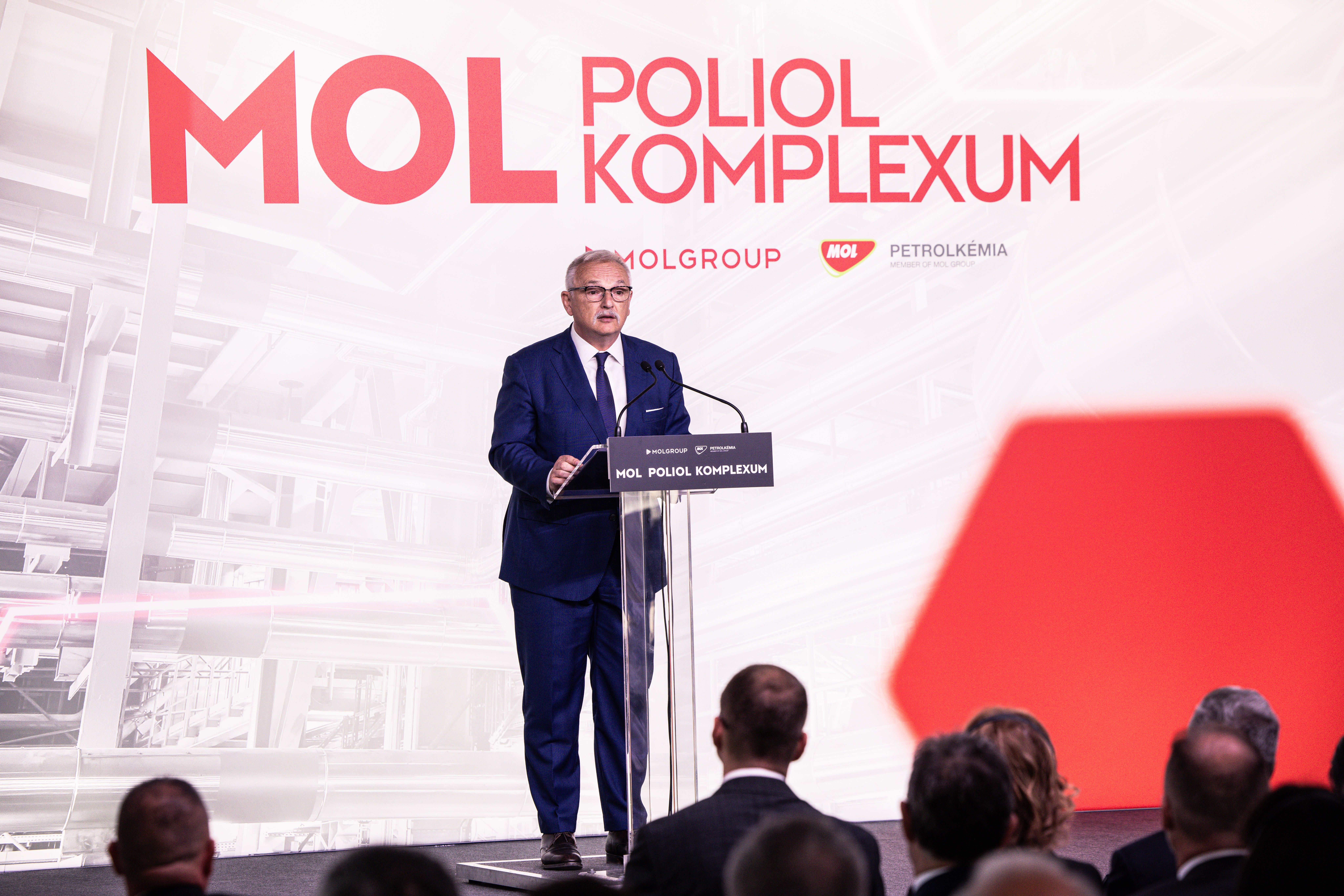
Hungary’s state‐controlled oil refiner MOL Plc. disclosed it is in early talks with Ukrainian authorities with plans to secure long-term berthing rights at Black Sea terminals—primarily Odesa—to receive seaborne shipments of non-Russian crude and phase out its dependence on Urals oil, as was reported by Bloomberg on June 8.
“The Odesa pipeline would mean access to all sorts of alternative crude due to the sea link,” MOL’s senior vice president for value-chain management, Szabolcs Pal Szabo, told Bloomberg.
The company hopes that direct port access, combined with existing investments in the Adriatic route, will allow it to ramp up processing of non-Russian feedstocks at its Hungarian and Slovak refineries.
Building this new corridor is expected to require roughly $700 million in additional capital and up to four years of work, on top of the $170 million already spent on the Adria pipeline project.
Once completed, MOL aims to eliminate Russian volumes entirely, aligning with the EU’s goal to end all Russian oil imports by 2027 despite Hungary’s current exemption.
Earlier, Slovakia and Hungary criticized Ukraine’s decision to ban transit of Russian oil through its territory, arguing that halting Lukoil shipments via the Druzhba pipeline undermines regional energy security and risks fuel shortages.
Both governments urged Kyiv to reconsider the sanctions, warning of economic repercussions for refineries in Bratislava and Százhalombatta.
Discuss this article:



-c439b7bd9030ecf9d5a4287dc361ba31.jpg "Photo of Katherina Popilnichenko")