- Category
- Latest news
India Freezes US Arms Deals After Trump Slaps 50% Export Tariff
 Prefer U24 Media on Google
- Authors


India has paused plans to acquire new US weapons and aircraft, in what officials describe as the first clear signal of New Delhi’s displeasure after tariffs imposed by President Donald Trump pushed bilateral ties to their lowest point in decades, Reuters reported on August 8, citing three Indian government sources.
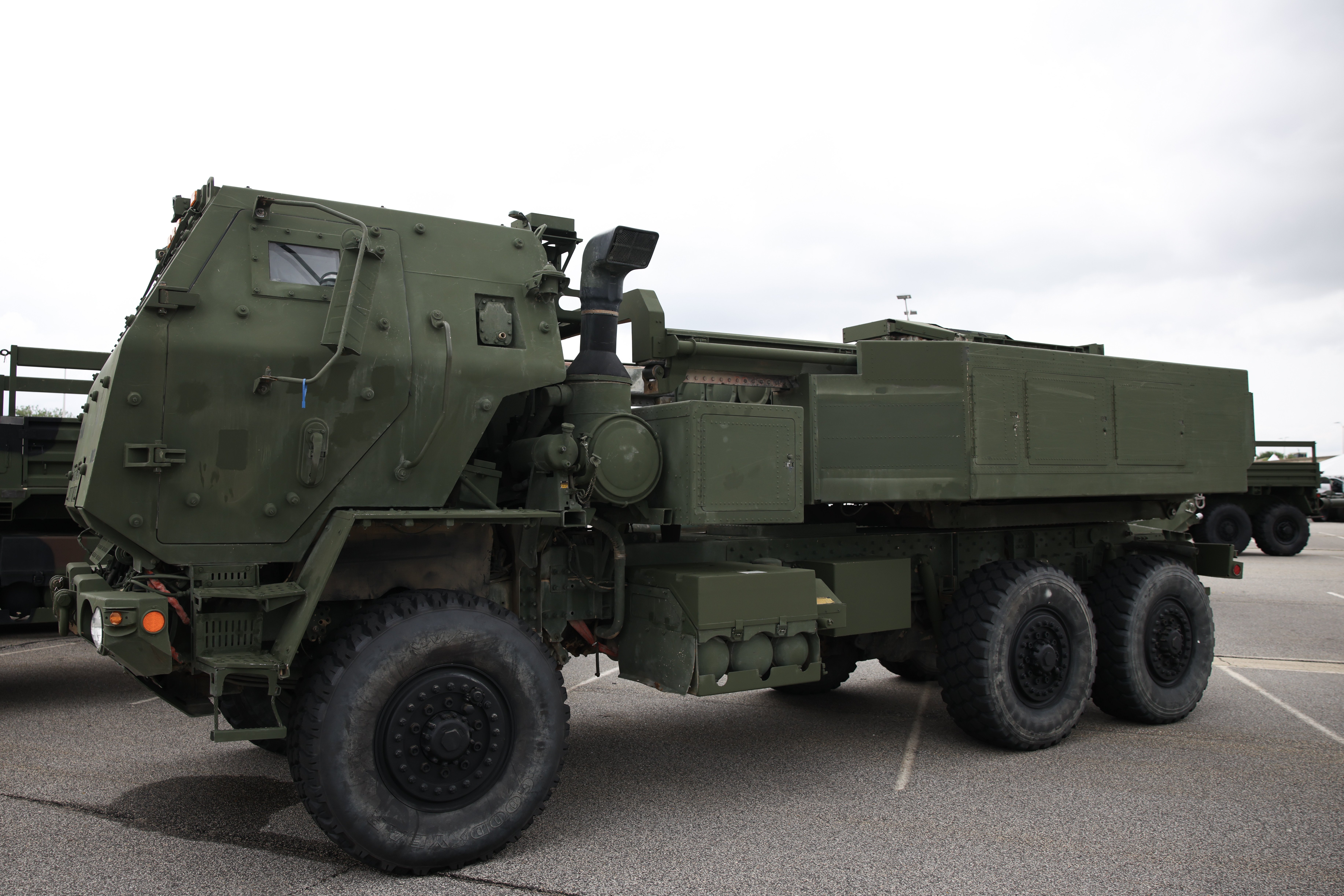
Two of the officials said Defense Minister Rajnath Singh’s planned visit to Washington—intended to announce several major defense purchases—has been cancelled. The talks had included deals for Stryker combat vehicles, Javelin anti-tank missiles, and six Boeing P-8I reconnaissance aircraft. The aircraft contract alone, valued at $3.6 billion, was in its final stages.
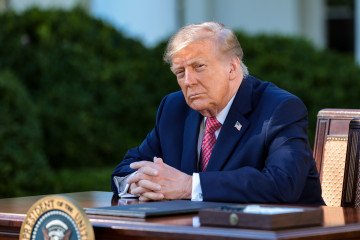
On August 6, Trump imposed an additional 25% tariff on Indian exports, citing the country’s continued purchases of Russian oil, which he said were helping to fund Moscow’s war against Ukraine. This raised the total duty on Indian goods to 50%—one of the highest rates among US trading partners.
While no written order has been issued to cancel the US arms deals, the negotiations have been frozen, allowing New Delhi to quickly revisit its position if circumstances change.

Despite the pause in large-scale procurements, other aspects of US-India defense cooperation remain active, including intelligence sharing and joint exercises, Reuters reported.
India, the world’s second-largest arms importer after Saudi Arabia, has in recent years shifted its procurement focus from Russia toward the US, France, and Israel. However, it has no plans to completely abandon Russian weaponry.
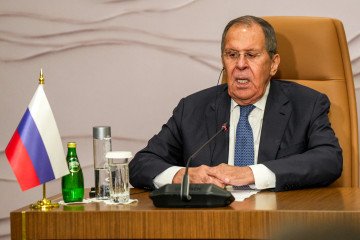
According to Reuters, Moscow, meanwhile, is offering India new defense systems, including the S-500 air defense platform. New Delhi has shown no immediate interest in fresh purchases from Russia, but is unwilling to fully end military cooperation with its long-time supplier.
Earlier, it was reported that Russian oil producers are rushing to divert shipments of their flagship Urals crude to China after India—until recently one of Moscow’s largest customers—started reducing purchases following new US trade sanctions.
Discuss this article:

-c439b7bd9030ecf9d5a4287dc361ba31.jpg "Photo of Katherina Popilnichenko")