- Category
- Latest news
Inside Ukraine’s Fastest Counter-Battery Weapon: The Archer Howitzer
 Prefer U24 Media on Google
- Authors


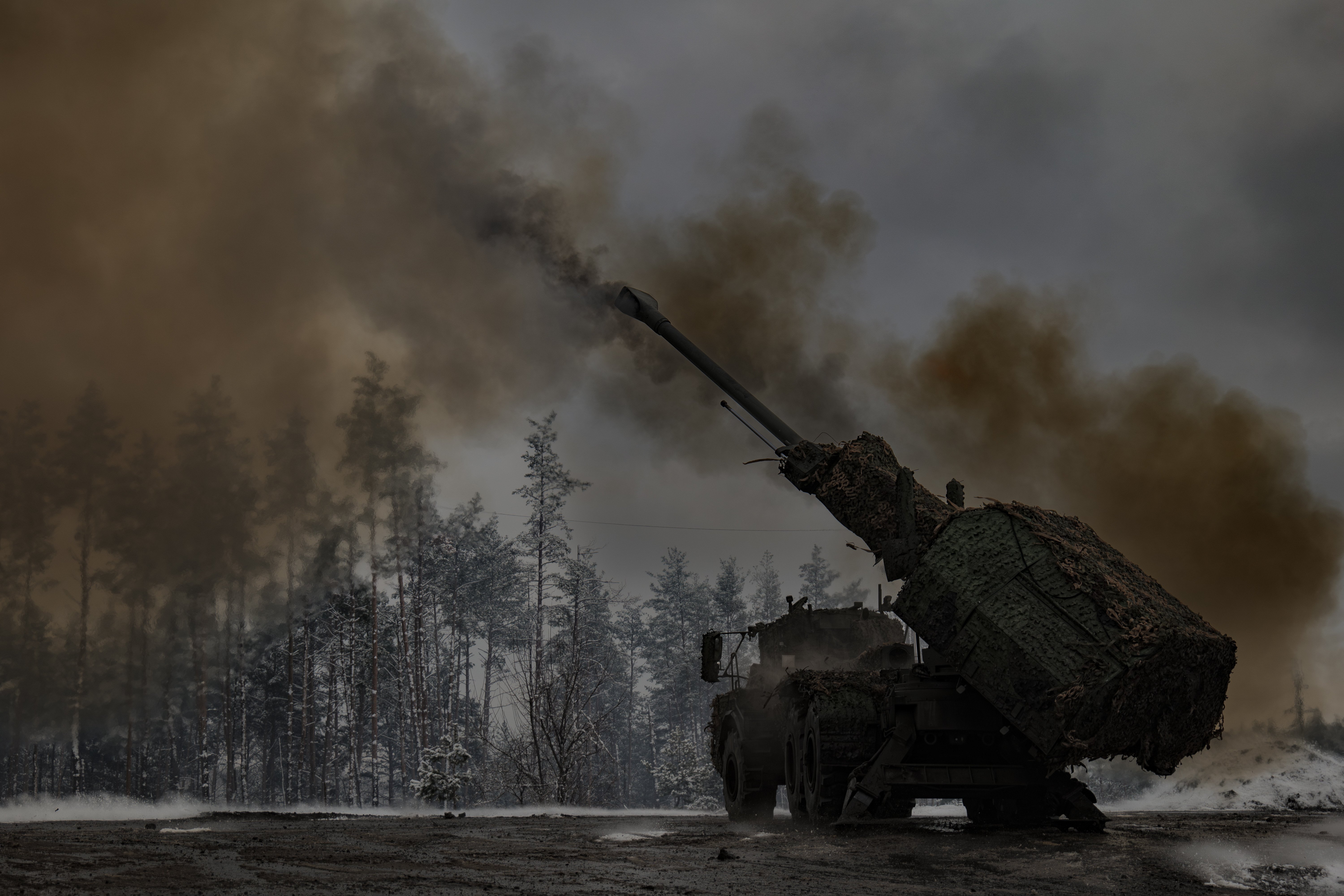
Sweden has confirmed that 26 Archer self-propelled howitzers have already been delivered to Ukraine out of a planned total of 44, alongside approval for replacement gun barrels to keep the systems operational after intensive combat use.
The decision to approve spare barrels is a clear indicator of how heavily the system is being used on the battlefield. Gun barrel wear is a consequence of sustained, high-tempo firing, particularly in counter-battery warfare, where speed and precision are critical for survival, as Army Recognition noted on January 9.
We bring you stories from the ground. Your support keeps our team in the field.
Archer is a highly automated 155mm wheeled howitzer mounted on a 6×6 articulated chassis, built around the FH 77 BW L52 gun. The system is designed to fire NATO-standard ammunition and relocate within seconds, allowing Ukrainian crews to strike and disappear before Russian reconnaissance assets can react.
According to Army Recognition, Archer can deploy, fire, and vacate a firing position in roughly 20 seconds each way—an ability that has become essential under constant drone surveillance.
The howitzer’s internal magazine carries 21 rounds, supported by an 18-charge magazine, enabling a rapid burst of three rounds in about 20 seconds or a full magazine expenditure in roughly three and a half minutes.
Its effective range depends on the ammunition used: extended-range high-explosive rounds can reach approximately 40 kilometers, BONUS sensor-fused anti-armor munitions about 35 kilometers, and Excalibur precision rounds up to roughly 50 kilometers.
Now THAT is what I call a Drive-By!
— Christopher Wipper (@SGTWipper1Each) December 10, 2025
ARCHER Artillery System from Sweden pic.twitter.com/p2odkMClHb
Army Recognition noted that this flexibility allows Ukrainian crews to tailor each mission for speed, precision, or maximum reach.
On the battlefield, Ukraine employs Archer as a raiding artillery system rather than a static gun. Instead of remaining in prolonged firing positions, crews move in late, fire quickly, and relocate immediately—often before Russian units can convert drone or radar data into a strike.
-47615cb2aee5813817294da821ba9633.png)
One example shared by Ukrainian forces in early 2024 showed an Archer engaging a cluster of Russian D-20 howitzers near Kreminna, destroying multiple guns before displacing.
This operational style reflects the realities of modern artillery combat in Ukraine, where drone reconnaissance, loitering munitions, and FPV strike teams have made slow or exposed artillery units highly vulnerable.
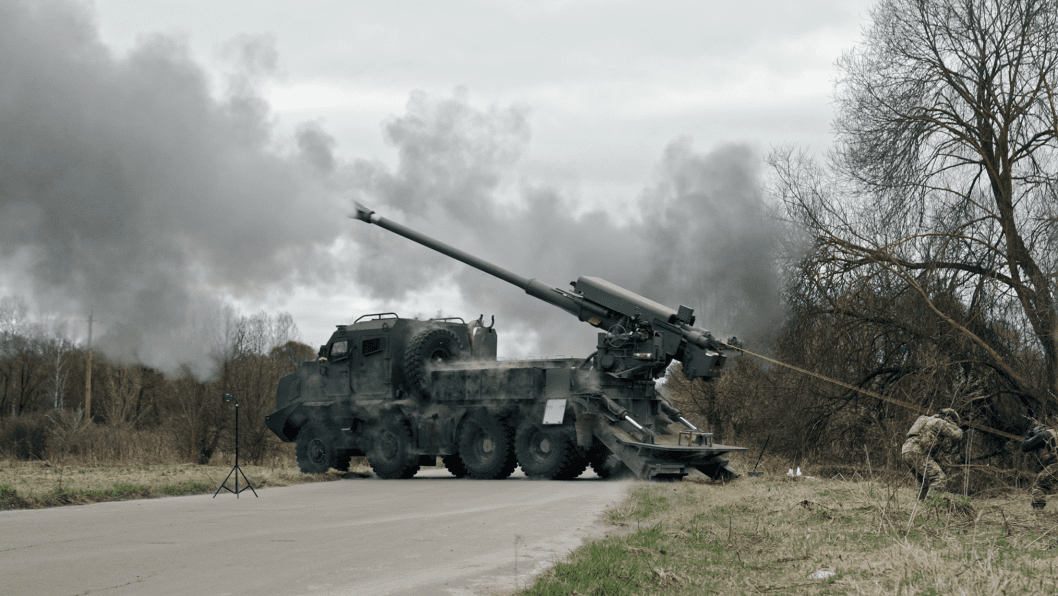
As Army Recognition observed, Archer’s high level of automation minimizes the need for external crew activity, reducing exposure time during loading and firing.
The system’s limitations are equally clear. A 21-round magazine requires disciplined fire planning and timely resupply, and heavy use accelerates barrel wear—making Sweden’s approval of replacement barrels a practical necessity rather than a bureaucratic formality. Still, within its niche, Archer fills a critical role.
Compared to other 155mm systems in Ukrainian service, Archer occupies a distinct position. Truck-mounted CAESAR offers mobility, but Archer’s deeper automation and fully protected crew are better suited for a drone-saturated environment.
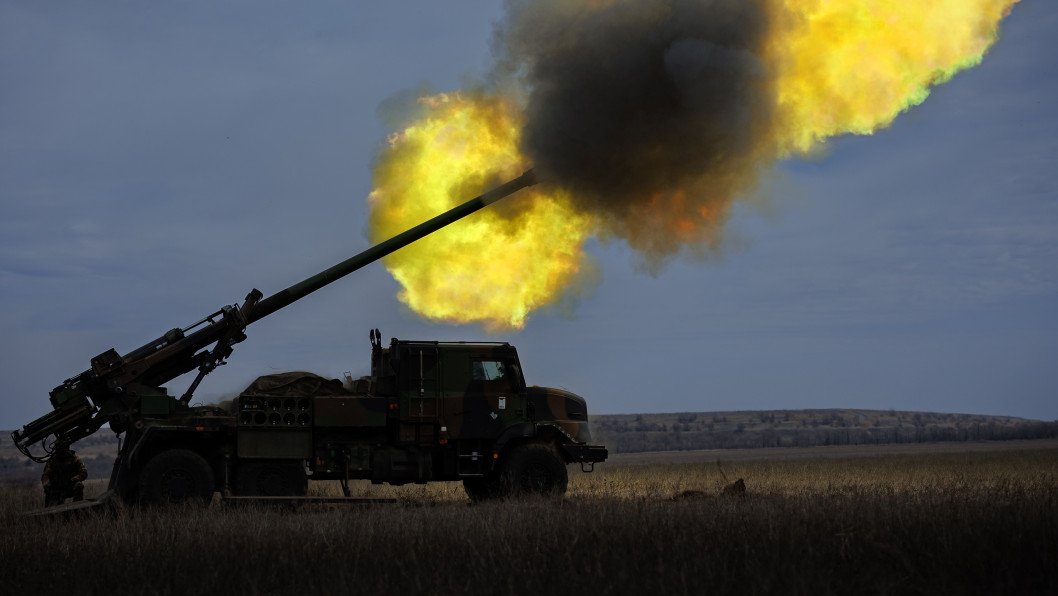
Tracked systems such as the PzH 2000 or Krab provide heavier protection and often larger ammunition capacity, but they come with greater maintenance demands and a larger logistical footprint.
According to Army Recognition, Archer’s closest counterparts are highly automated wheeled systems like Zuzana 2, yet Archer’s rapid in-and-out firing cycle makes it particularly effective for short, lethal counter-battery ambushes.
The delivery timeline explains how Ukraine reached this capability. Sweden first committed Archer systems in January 2023, with the initial eight confirmed in Ukrainian service by November 2023 following crew training.
-a8c75525b24e9099842494bd6e4d454e.jpg)
The program expanded in March 2025 with approval for 18 additional systems and supporting equipment, followed by another procurement tranche later that year. The January 2026 confirmation that 26 Archers are already in Ukraine underscores both the scale of Sweden’s commitment and the urgency of sustaining these guns under combat conditions.
As Army Recognition noted, Archer’s performance in Ukraine highlights a broader shift in artillery warfare: survival now depends less on armor thickness and more on speed, automation, and the ability to outpace enemy sensors. In that environment, Archer has proven to be exactly what Ukraine needs—a gun that fires, vanishes, and lives to strike again.
Earlier, the 155th Separate Mechanized Brigade, named after Anna of Kyiv, released a video of the French-made CAESAR self-propelled howitzer in action, highlighting the system’s accuracy when paired with aerial reconnaissance.
Discuss this article:


-c439b7bd9030ecf9d5a4287dc361ba31.jpg "Photo of Katherina Popilnichenko")