- Category
- Latest news
IOC Partially Reinstates Heraskevych for 2026 Winter Olympics, Yet Competition Ban Remains
 Prefer U24 Media on Google
- Authors


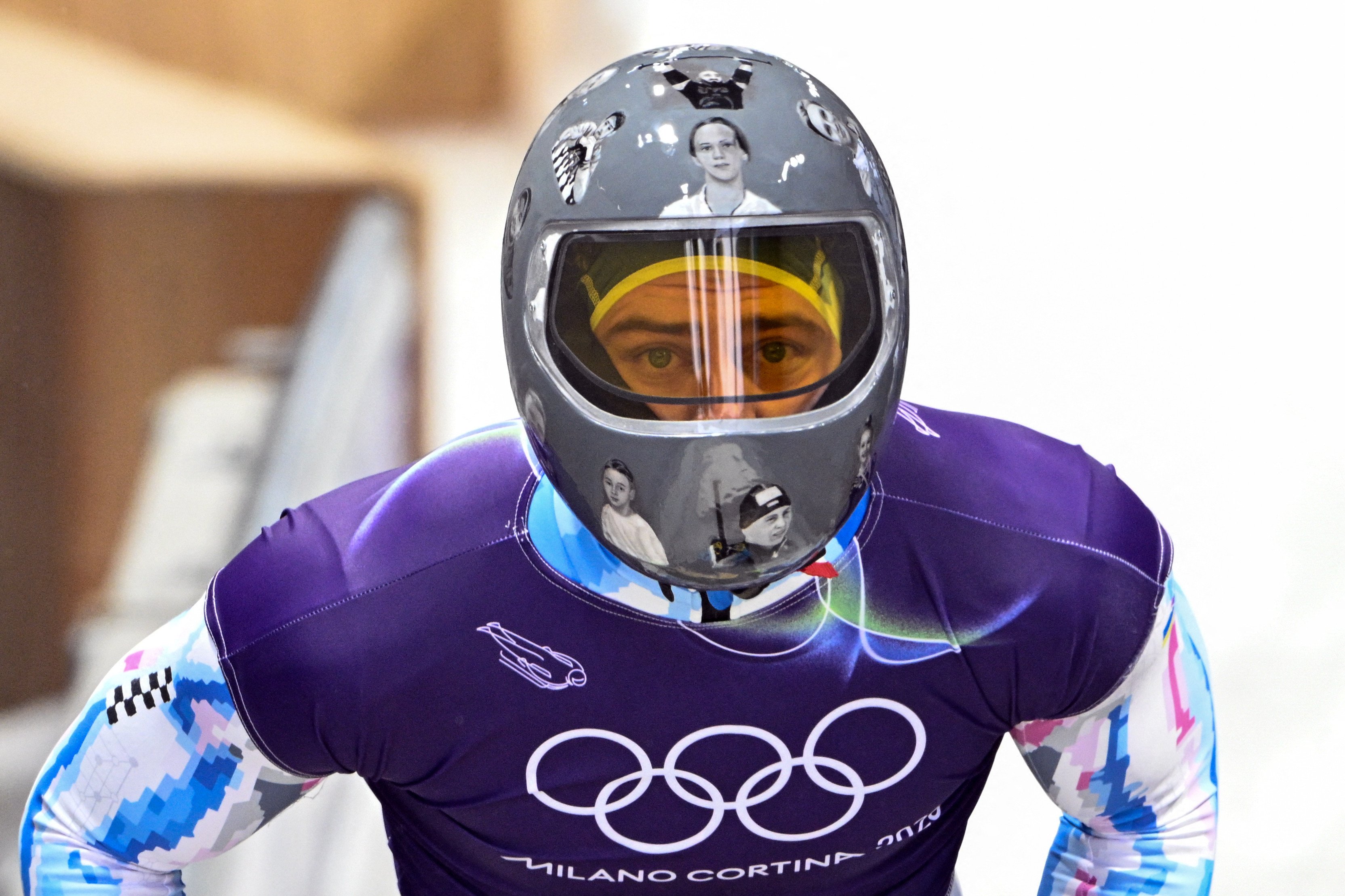
IOC President Kirsty Coventry requested that the Chair of the IOC Disciplinary Commission review the decision to withdraw Vladyslav Heraskevych’s accreditation for the Milano Cortina 2026 Winter Games. The request was granted, allowing the Ukrainian skeleton athlete to remain at the Games, though he is not permitted to compete.
Speaking to the media after their meeting on February 12, Coventry said, “I felt that it was really important to come and talk to him face to face.”
We bring you stories from the ground. Your support keeps our team in the field.
She emphasized that the IOC was seeking to uphold areas such as the field of play, the podium, and the Olympic Village as neutral spaces.
“Athletes asked us to keep certain areas – the field of play, the podium and the Olympic Village – safe zones. How could we keep them safe in order to not be asked to use the field of play or the podium for something that they didn’t agree with?” she said. “No one—no one, especially me—is disagreeing with the messaging. The messaging is a powerful message. It’s a message of remembrance. It’s a message of memory.”
According to the IOC president, the dispute centered strictly on compliance with regulations governing competition areas.
“It’s not about the messaging; it’s literally about the rules and the regulations. In this case—the field of play—we have to be able to keep a safe environment for everyone. And sadly, that just means no messaging is allowed.”
Coventry said efforts had been made to find a compromise that would allow Heraskevych to honor his message outside competition settings.
“We could find ways where we can pay homage to his message, to his helmet, before he races. And sadly, we’ve not been able to come to that solution. We have these rules in place to try and be fair, and also to try and allow for us to do both things: to allow for athletes to express themselves, but also to allow for athletes to be safe,” she stated.
Coventry also noted that she approached the meeting from a personal perspective.
“For me, I was not speaking to him in that room as a president. I’m speaking to him as an athlete. I really wanted to see him race today.”
On the morning of February 12, it was announced that Ukrainian skeleton racer Vladyslav Heraskevych had been removed from the start list ahead of his first run at the 2026 Winter Olympic Games after maintaining his intention to compete in his “memorial helmet.” The helmet bears the portraits of Ukrainian athletes killed in Russia’s war against Ukraine.
The International Olympic Committee had earlier barred him from using the helmet during official events and warned that non-compliance could lead to disqualification. As a result, the race went ahead without Heraskevych.
“I never wanted a scandal with the IOC, and I did not create it. The IOC created it with its interpretation of the rules, which many view as discriminatory. Although this scandal has made it possible to loudly speak about Ukrainian athletes who have been killed, at the same time the very fact of the scandal distracts a tremendous amount of attention away from the competitions themselves and from the athletes participating in them,” Heraskevych wrote on Instagram.
Earlier, Ukrainian President Volodymyr Zelenskyy has criticized the International Olympic Committee’s decision to disqualify Ukrainian skeleton athlete Vladyslav Heraskevych.
“Sport shouldn’t mean amnesia, and the Olympic movement should help stop wars, not play into the hands of aggressors. Unfortunately, the decision of the International Olympic Committee to disqualify Ukrainian skeleton racer Vladyslav Heraskevych says otherwise. This is certainly not about the principles of Olympism, which are founded on fairness and the support of peace,” Zelenskyy stated.
Discuss this article: