- Category
- Latest news
Iranian Anti-Jamming GPS Found on Russian Drones Used in Attack on Poland
 Prefer U24 Media on Google
- Authors


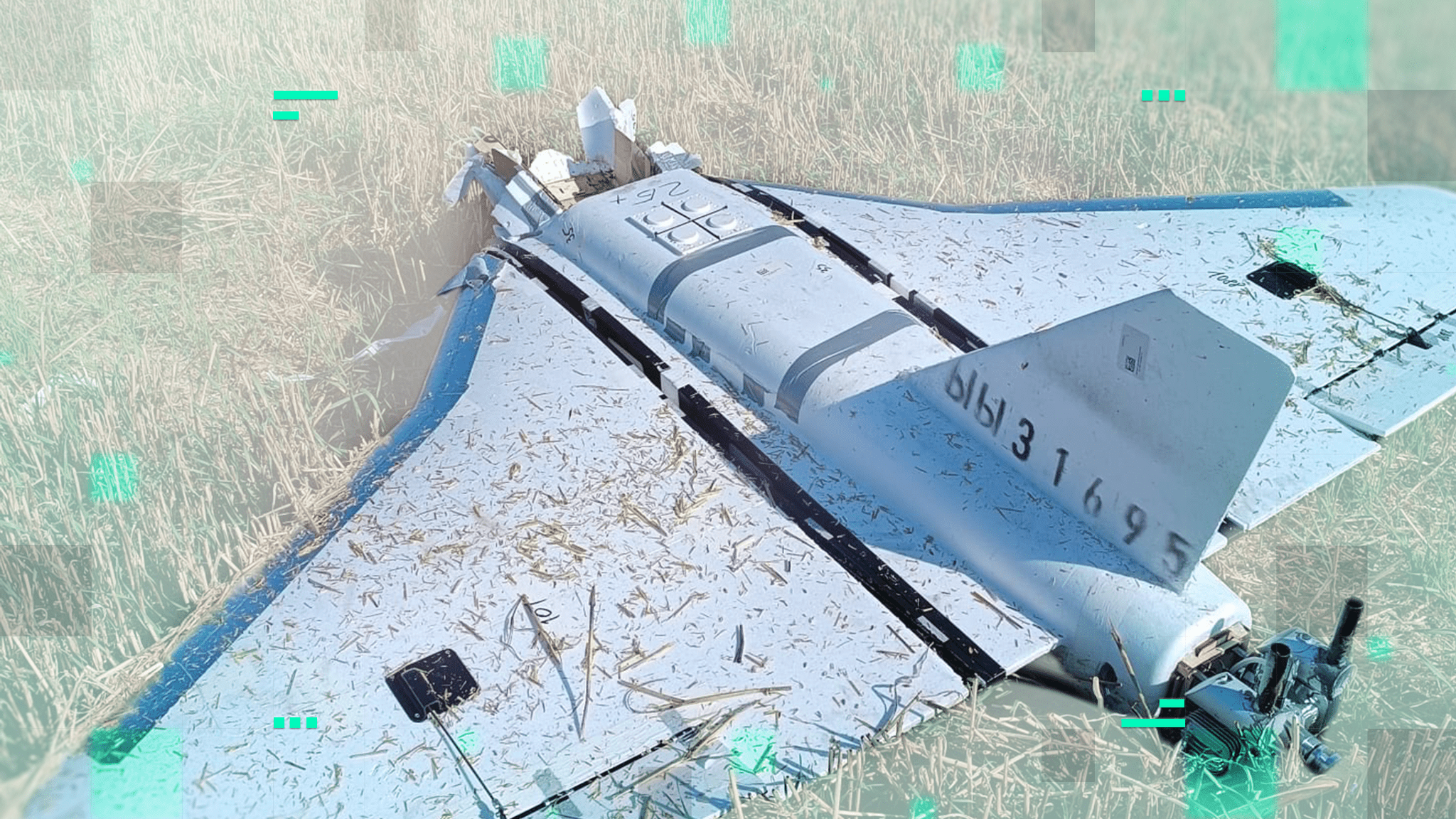
Russian drones that entered Polish airspace on September 10 were equipped with Iranian-made anti-jamming GNSS antennas, according to Sky News on September 12.
Photos published by the outlet show a “Herbera” drone fitted with a Tallysman four-channel Controlled Reception Pattern Antenna (CRPA).
CRPA technology helps resist electronic warfare interference by detecting the direction of incoming signals and filtering out false ones.
Analysts note that neutralizing such systems requires at least one more jamming source than the number of antenna channels. In this case, a four-channel antenna would need five coordinated jamming systems to be suppressed.
According to Sky News, Russian forces have adapted “Herbera” drones with additional fuel tanks, extending their range to about 700 kilometers.
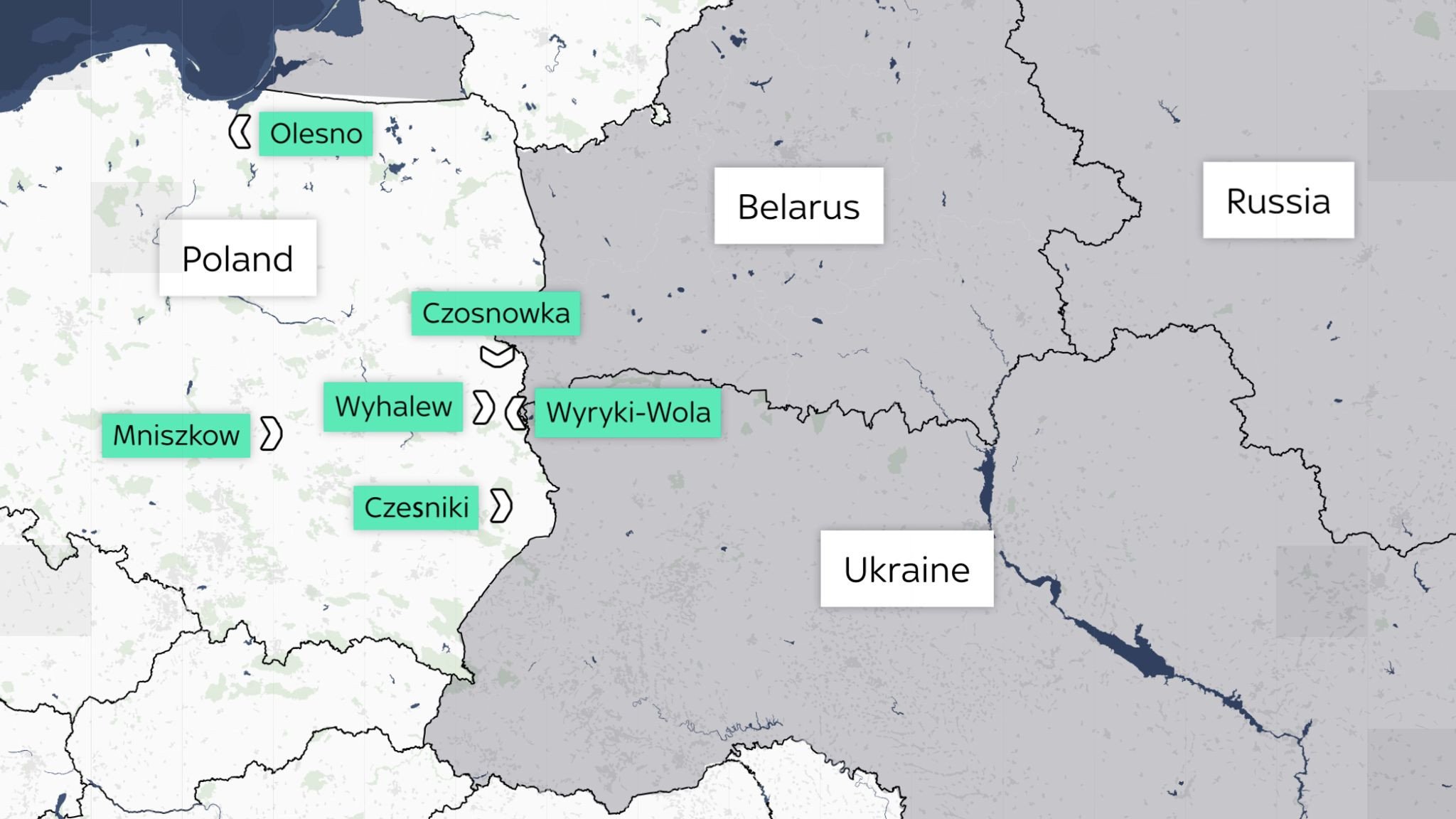
This modification enabled the aircraft to reach Poland during the mass drone and missile attack launched from Russian and Belarusian territory.
“Herbera” drones are primarily known as decoys but can also function as strike-capable FPV systems or reconnaissance aircraft. Versions recovered in Ukraine and Poland were fitted with Chinese optical payloads on stabilized mounts and MESH communication modules.
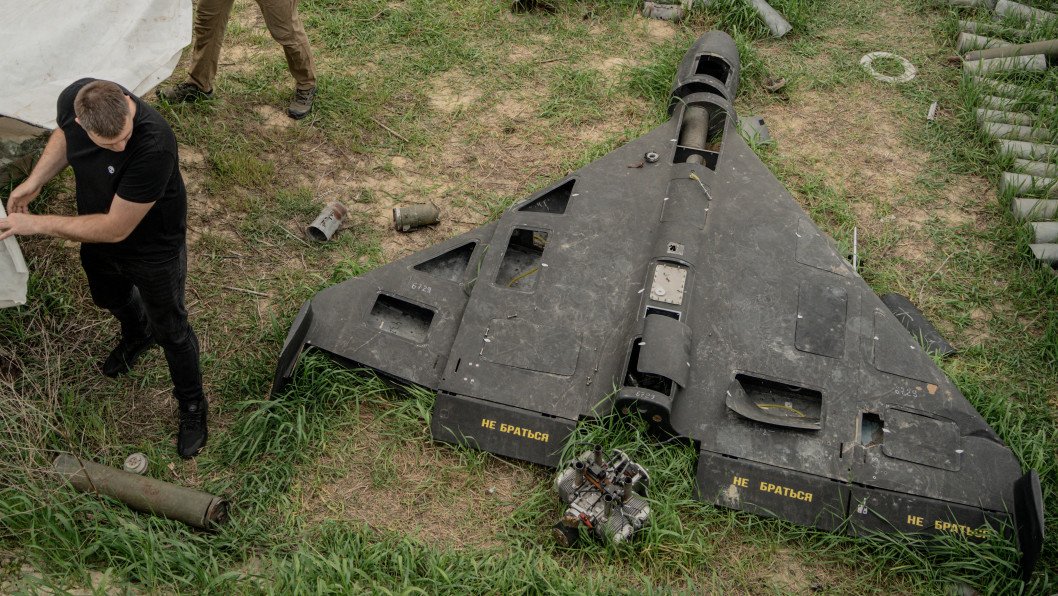
Tallysman antennas of the same type were previously found on Shahed-236 drones, which also featured thermal imaging navigation systems, according to Sky News.
More advanced Russian drones have been observed with 12- or 16-channel antennas produced in Russia or China, though their higher cost makes the Iranian variant more common on expendable platforms.
Earlier, during the September 10 incursion, around twenty Russian drones crossed into Poland amid the wider strike on Ukraine. In response, Polish and Dutch F-35 fighters intercepted and destroyed multiple drones. Dutch aircraft had been stationed at Krzesiny air base near Poznań earlier in the month as part of NATO’s rotational air policing mission.
Discuss this article:


-111f0e5095e02c02446ffed57bfb0ab1.jpeg "Photo of Roman Kohanets")

-72b63a4e0c8c475ad81fe3eed3f63729.jpeg "Photo of Cyril Barabaltchouk")