- Category
- Latest news
Russian Drone Swarm Exposes NATO’s Air Defense Gaps After Poland Incursion
 Prefer U24 Media on Google
- Authors


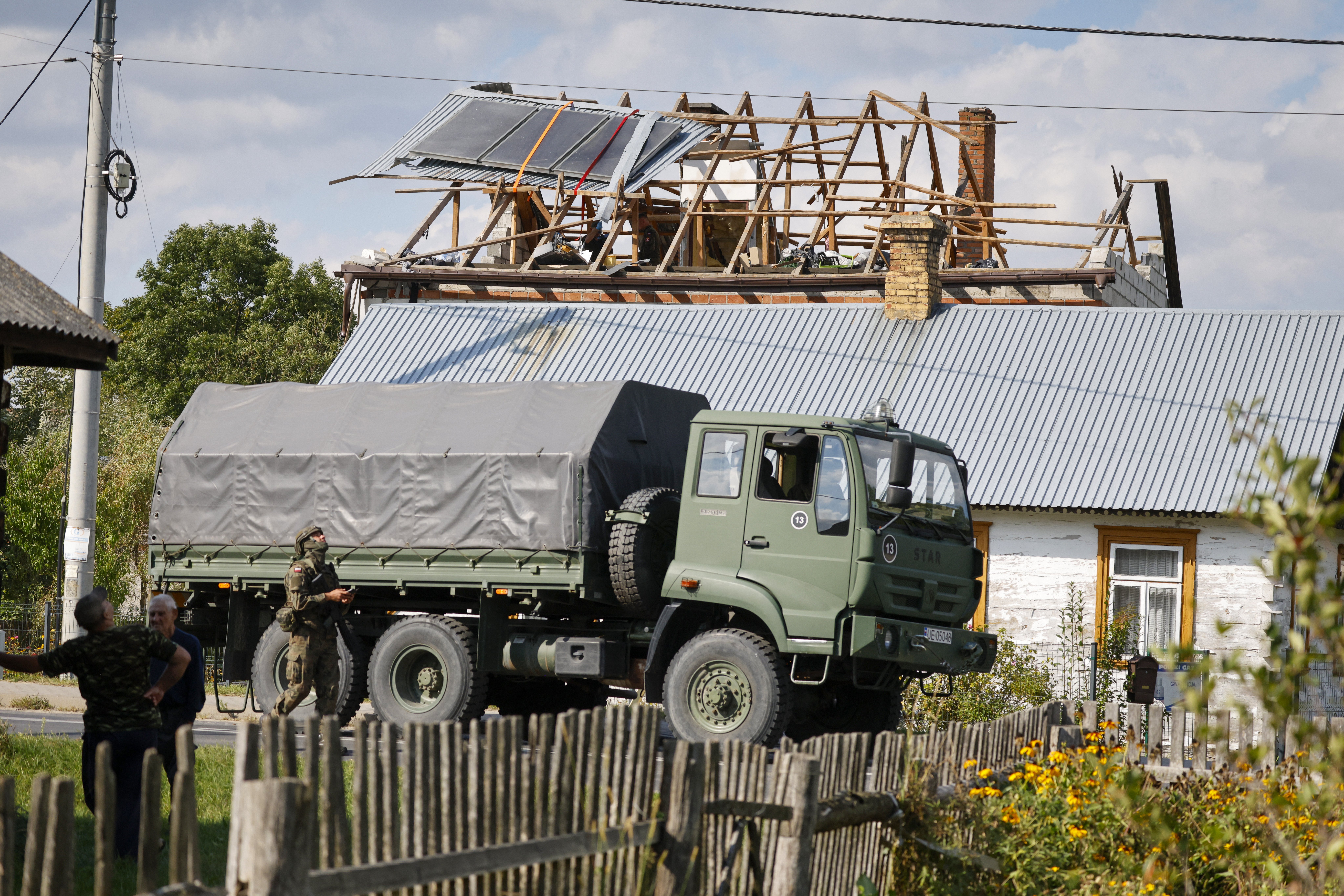
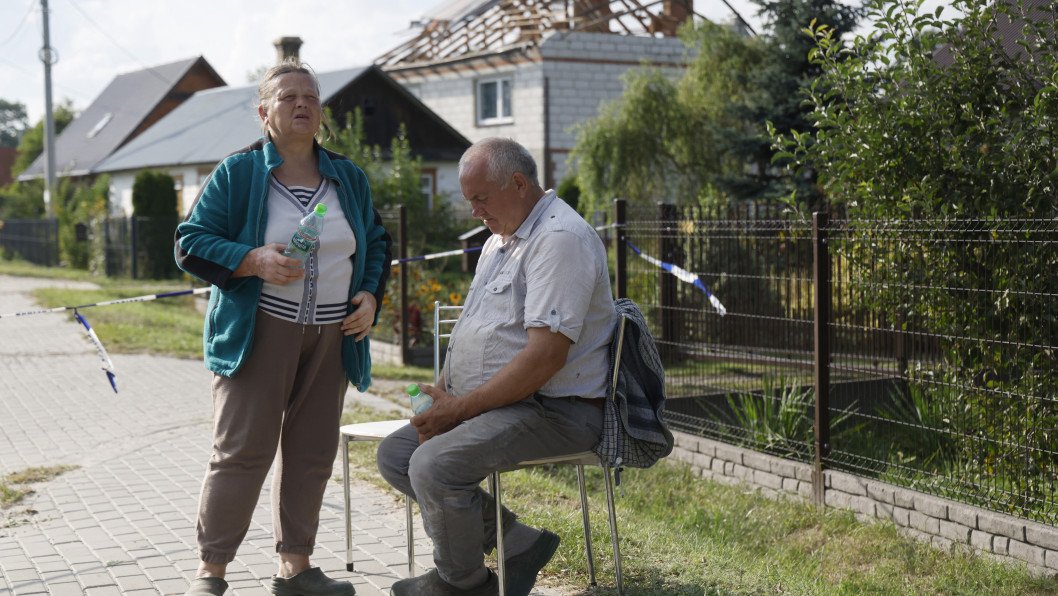
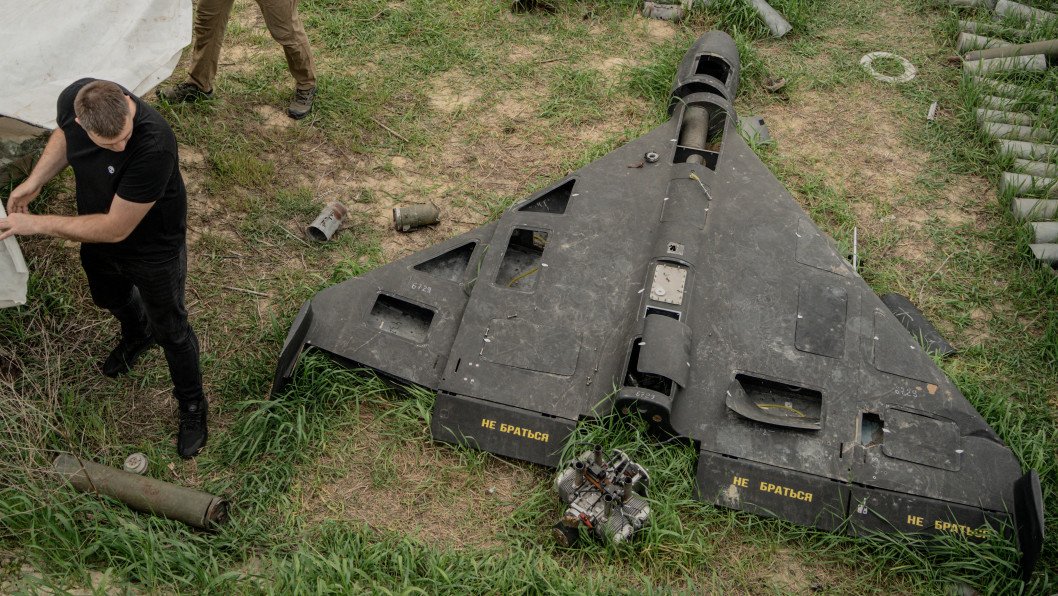
The recent Russian drone incursion into Polish airspace has exposed a major gap in NATO’s defenses, Politico reported on September 12.
Poland confirmed shooting down only three of the 19 drones that entered its airspace, roughly 16%. By contrast, during a similar overnight raid, Ukrainian forces reportedly destroyed 413 of 458 drones, a 90% success rate.
-1d9fa7480e5881fc68e774e53f4fa441.jpg)
Poland deployed two F-16s and two F-35 fighter jets, along with AWACS reconnaissance aircraft, a refueling plane, Mi-24, Mi-17, and Black Hawk helicopters, and Patriot radar systems.
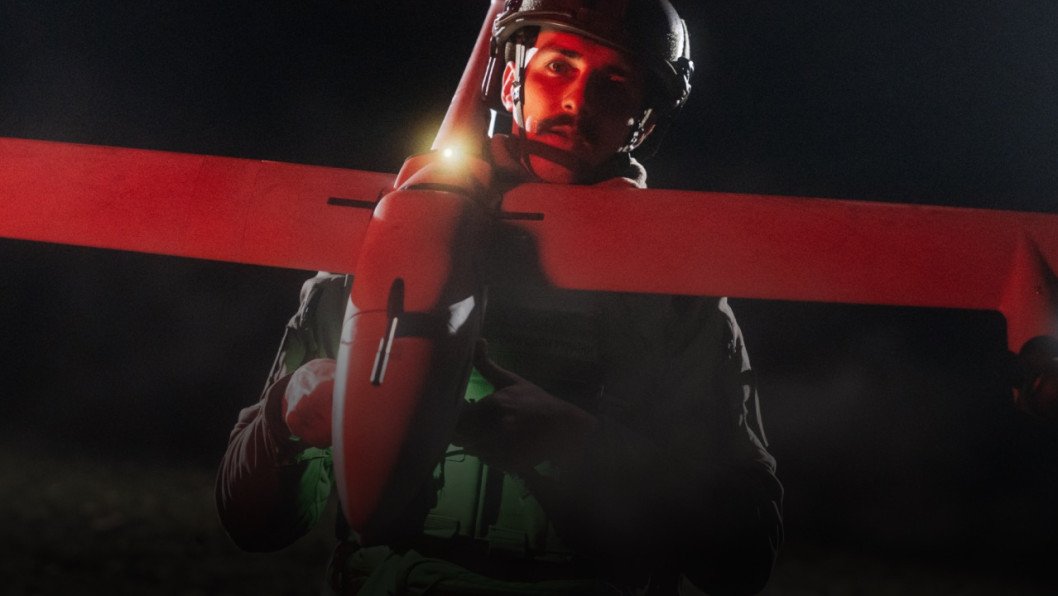
In Ukraine, this same hardware is typically reserved for missile defense. Against drones, simpler and cheaper solutions have proven effective: from small teams with machine guns on vehicles or rooftops to Yak-52 trainer planes firing rifles at UAVs, and $5,000 interceptor drones targeting Russian Shahed variants costing $30,000—$50,000.
The issue was raised at an EU ambassadors’ meeting in Brussels, attended for the first time by NATO Secretary-General Mark Rutte.
Many diplomats noted the alliance’s limited ability to respond efficiently to such low-cost drone threats. “Rutte came to that conclusion himself, and no one disagreed,” one diplomat told Politico.
Experts emphasize that NATO cannot continue scrambling multimillion-dollar fighter jets for every drone incursion. “We need to invest in proper drone defense systems,” said Ulrike Franke of the European Council on Foreign Relations.
Following the recent attacks, Poland requested additional Patriot systems from NATO allies. Germany pledged to expand air patrols with Eurofighter jets, while France’s President Emmanuel Macron offered three more fighters, supplementing those already on standby.
More practical solutions have been proposed by President Zelenskyy and Rheinmetall CEO Armin Papperger.
Zelenskyy suggested training Polish forces in anti-drone tactics—a plan Poland is already implementing by sending troops to Ukraine.
-a20b25b952536203e9d883fe9434fa95.png)
Experts warn that Europe still lacks a layered, modern defense system designed with drones in mind. “One system alone cannot handle all threats,” Franke said. “You need multi-level defense with electronic and kinetic measures.” Both defensive and offensive technologies are evolving rapidly on the battlefield in Ukraine and Russia, she added.
Earlier, commander of Ukraine’s Unmanned Systems Forces Robert Brovdi—better known by his call sign Madyar—said he is ready to help train Polish troops in countering Russian drones.
Discuss this article:




-111f0e5095e02c02446ffed57bfb0ab1.jpeg "Photo of Roman Kohanets")

-72b63a4e0c8c475ad81fe3eed3f63729.jpeg "Photo of Cyril Barabaltchouk")