- Category
- Latest news
Japan Eases Arms Export Ban, Opening Weapons Supply Path for Ukraine’s Allies
 Prefer U24 Media on Google
- Authors


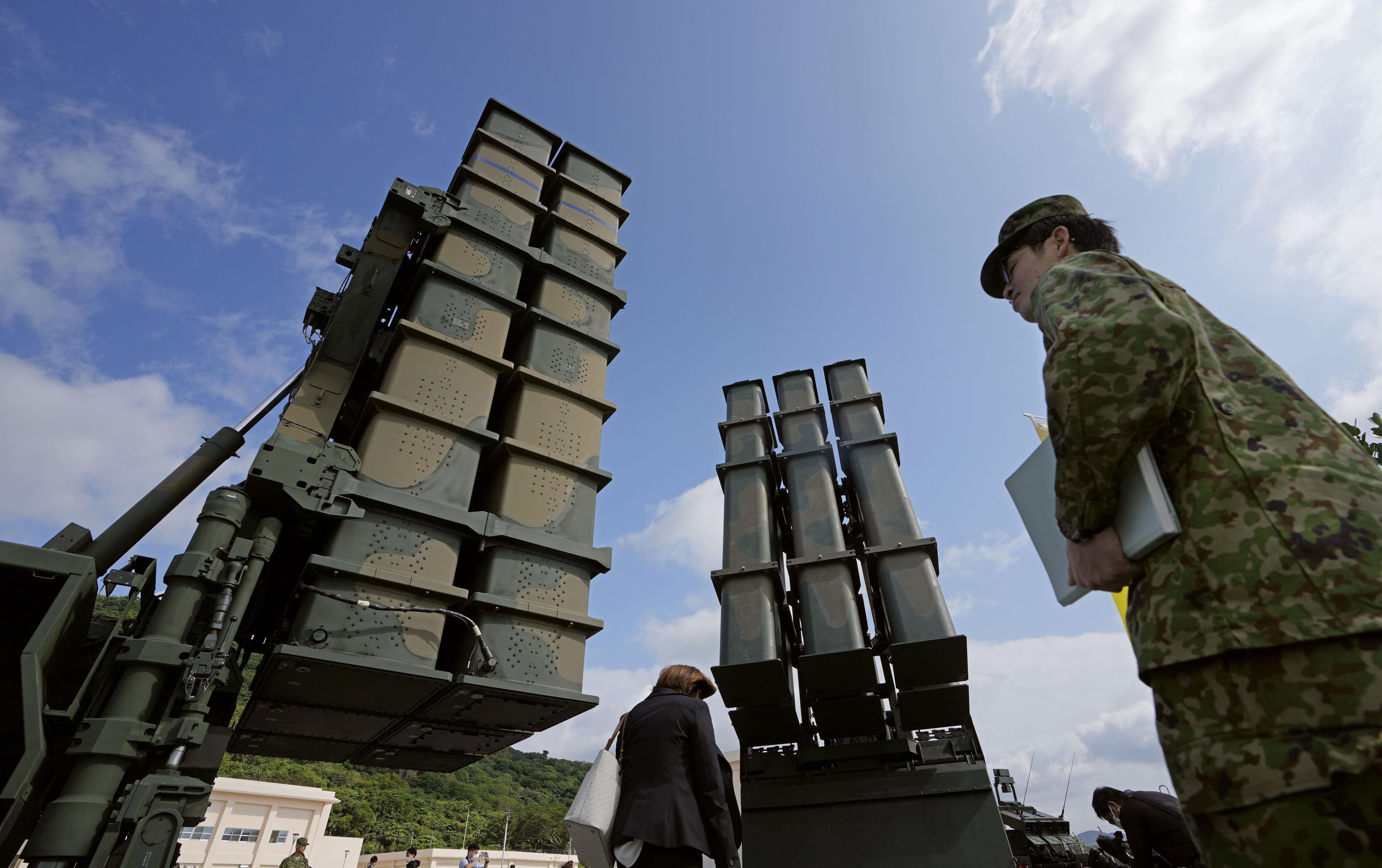
Japan has formally eased its long-standing restrictions on defense exports, creating new opportunities for allied countries supporting Ukraine to access Japanese-made military equipment, including air defense interceptors, naval platforms, and aircraft.
We bring you stories from the ground. Your support keeps our team in the field.
According to Defense Express on April 21, the policy shift follows the full implementation of revised rules under Japan’s “Three Principles on Transfer of Defense Equipment and Technology,” allowing a broader range of military exports to approved partner nations.
The outlet reports that Japan now categorizes its exports into non-lethal and lethal equipment, with stricter controls still applying to weapons systems.
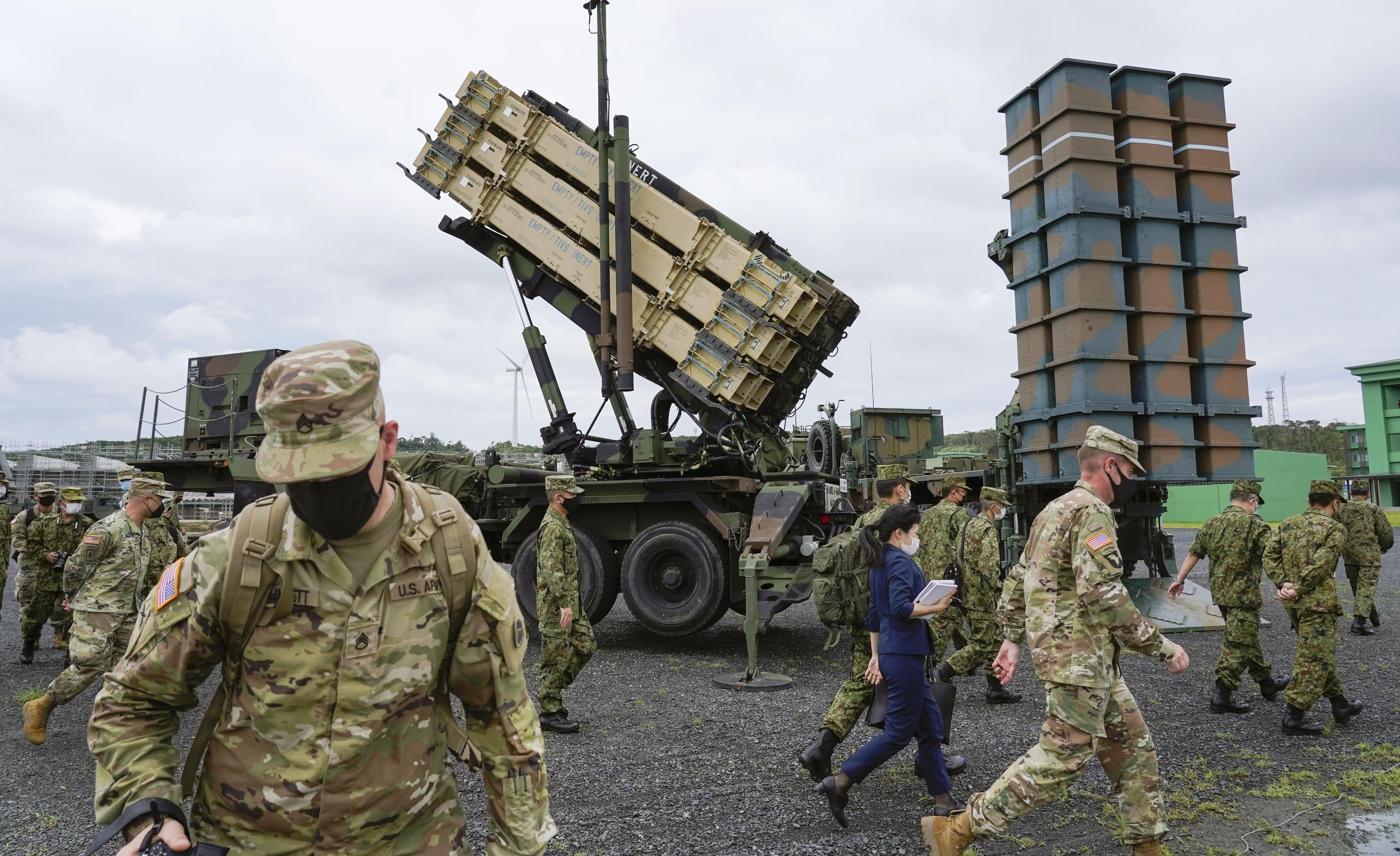
Lethal equipment exports are currently limited to countries with which Japan has established security agreements—reportedly numbering around 17.
Among the most in-demand items are PAC-3 MSE interceptors used in Patriot air defense systems. Global demand for these interceptors has surged due to the need to counter ballistic missile threats, particularly in the context of Russia’s war against Ukraine and recent conflicts in the Middle East.
Japan has already supplied such interceptors to the United States, and the revised policy could allow broader redistribution to other allied nations.
Japan also produces its own air defense systems, including the short-range Type 11 and the medium-range Type 03 systems. These platforms could help address ongoing shortages in ground-based air defense, with countries such as the Philippines previously expressing interest.
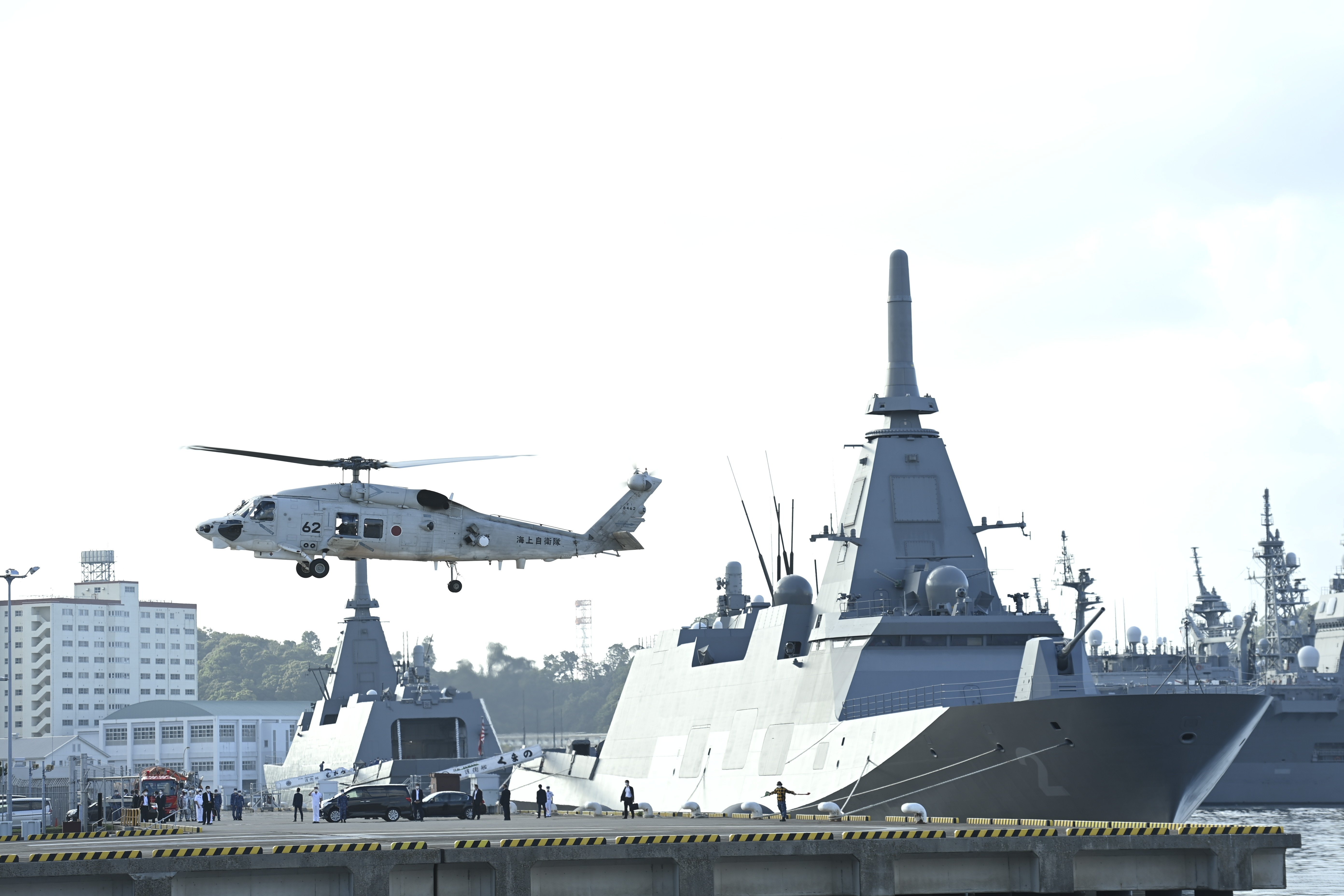
In the naval domain, Japan’s Mogami-class frigates are emerging as a key export product. Defense Express notes that Australia has already ordered three such vessels, with plans to expand the fleet to up to eleven ships, marking one of Japan’s largest defense export deals to date.
Japan’s aerospace sector may also play a role. The country is participating in the Global Combat Air Programme (GCAP), a sixth-generation fighter initiative alongside the United Kingdom and Italy.
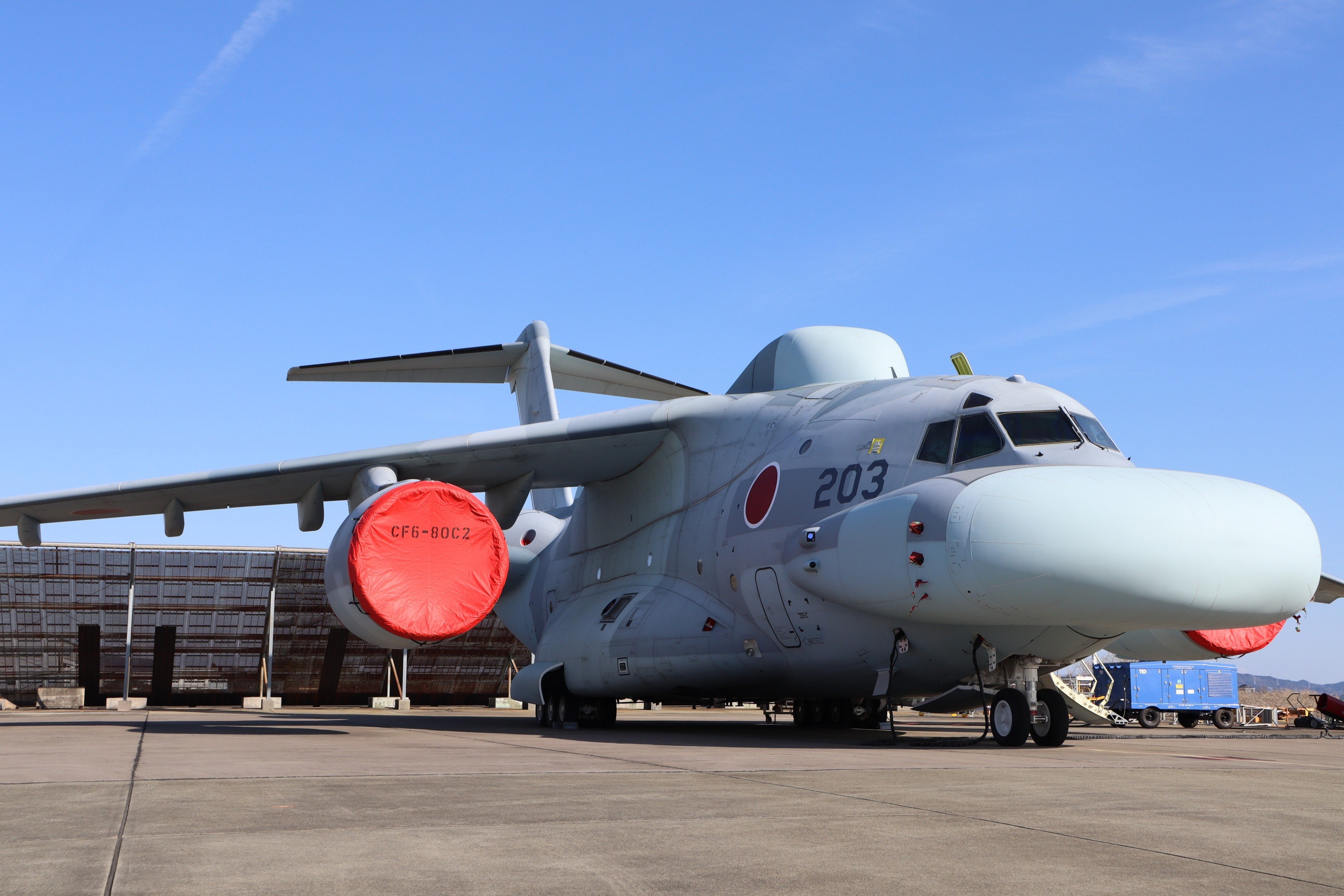
Eeasing export restrictions is considered essential for enabling international cooperation and supply chains tied to the program. Additional aviation assets include electronic warfare aircraft such as the Kawasaki EC-2 and maritime patrol aircraft like the Kawasaki P-1.
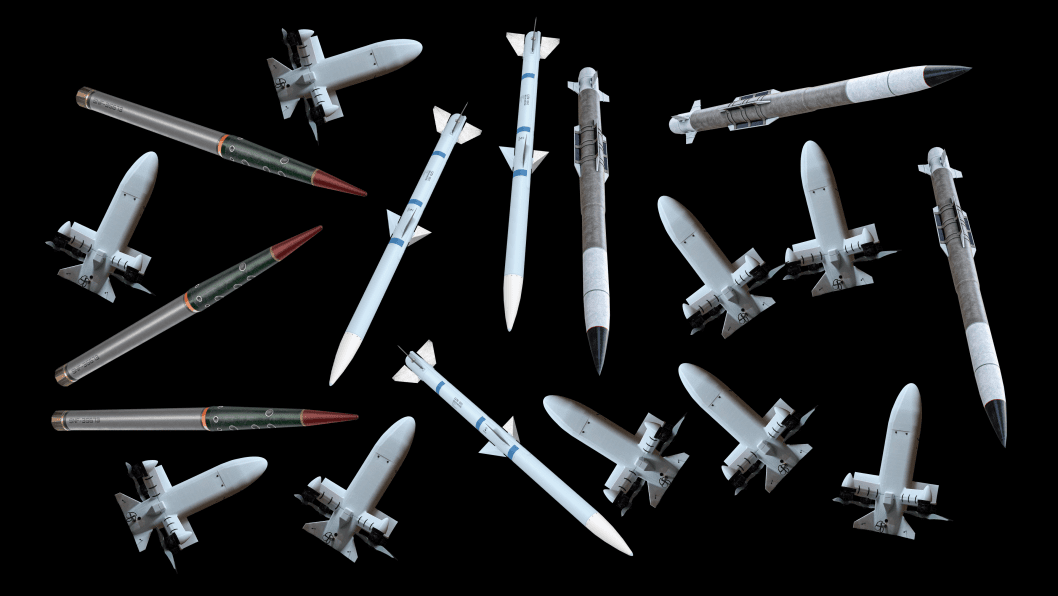
Japan maintains an extensive missile development program, including low-observable and long-range systems, some of which are expected to reach ranges exceeding 1,000 to 2,000 kilometers. However, Defense Express reports that such capabilities are likely to remain restricted under international export controls.
Ground systems remain part of Japan’s defense portfolio, including main battle tanks, wheeled armored vehicles, and both towed and self-propelled artillery systems. At the same time, their export potential may be limited due to strong competition in these segments, according to the outlet.
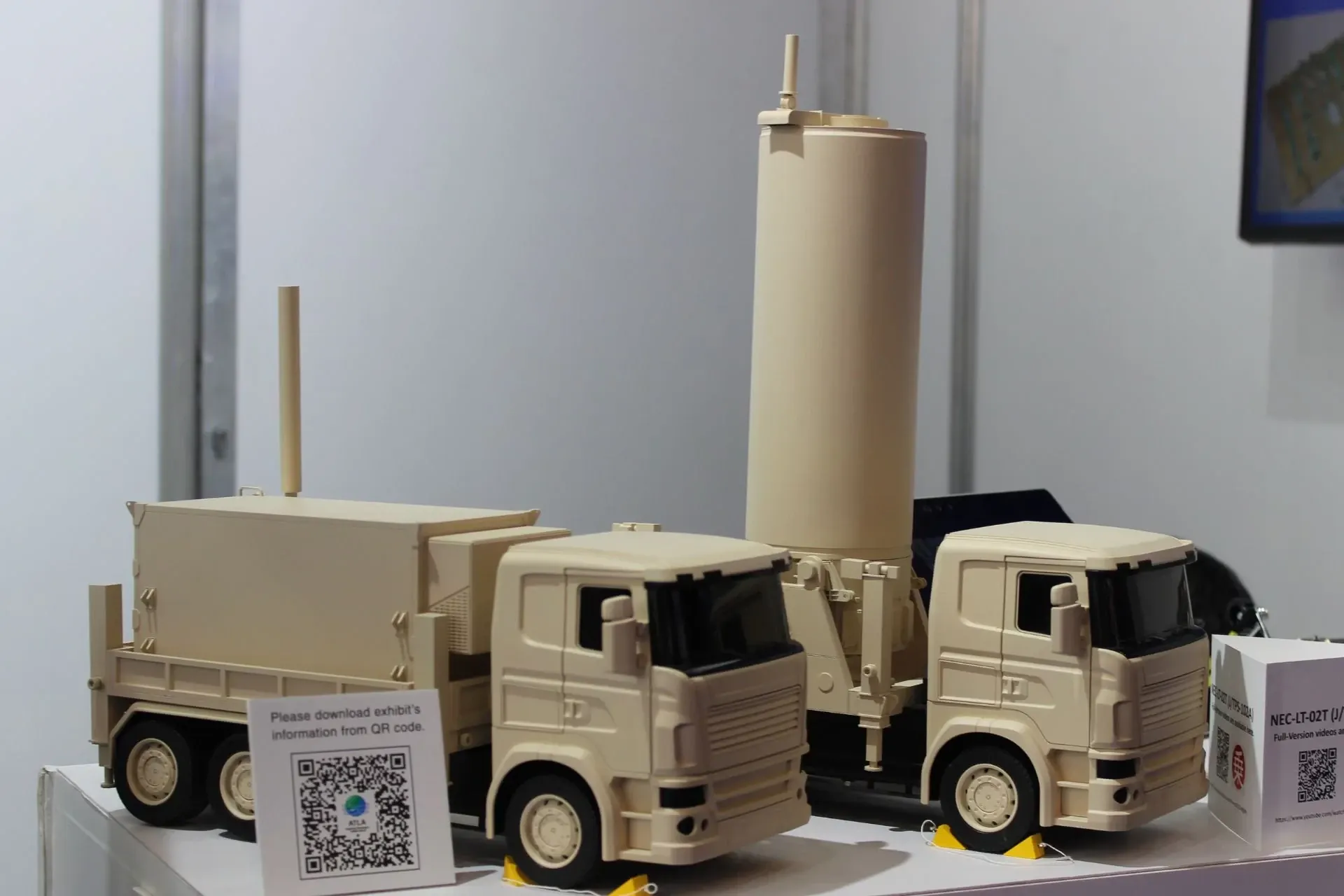
Non-lethal systems—particularly radar technologies—are also expected to play a role in Japan’s expanded export strategy. Defense Express highlights radar models such as the NEC LR-02T, which have already been exported to countries like the Philippines since 2014.
The policy shift reflects broader global demand for defense equipment as countries accelerate rearmament efforts. Japan is positioning itself to supply key capabilities across air defense, naval systems, aviation, and surveillance technologies.
Despite these changes, direct arms exports to Ukraine remain restricted under current rules, as Japan continues to prohibit transfers of lethal equipment to countries actively engaged in war. However, the outlet notes that exceptions could be considered under strategic circumstances, particularly if formal security agreements are established.
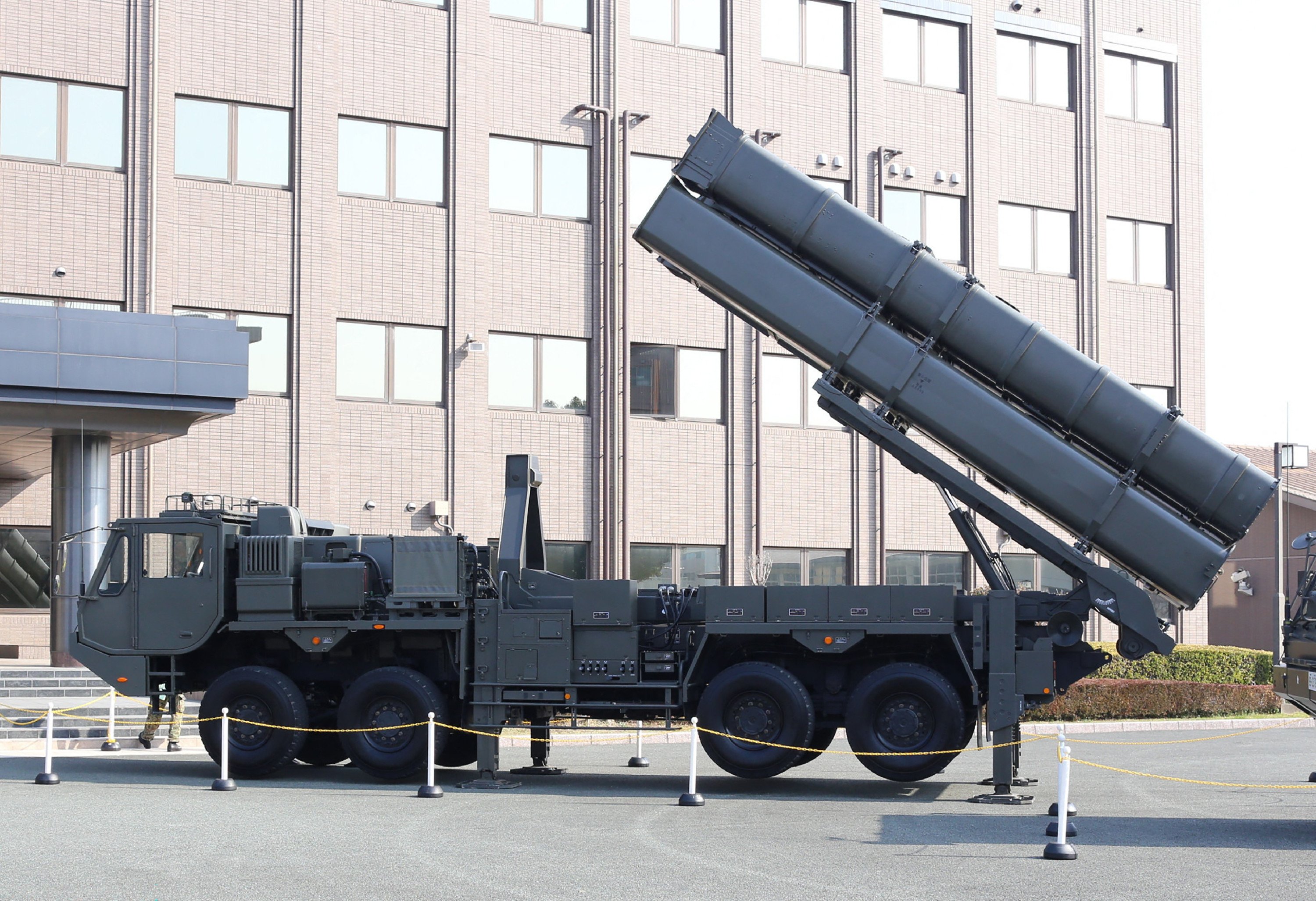
Earlier, Japan began deploying its first domestically developed stand-off strike systems, including the Type-25 surface-to-ship missile and a high-speed gliding projectile with a range of up to 1,000 km, marking a shift toward long-range counterstrike capabilities.
Discuss this article:
-9a7b3a98ed5c506e0b77a6663f5727c5.png)


-c439b7bd9030ecf9d5a4287dc361ba31.jpg "Photo of Katherina Popilnichenko")