- Category
- Latest news
Kupiansk Isn’t Taken—Russia Just Keeps Losing Men In a Pipe
 Prefer U24 Media on Google
- Authors




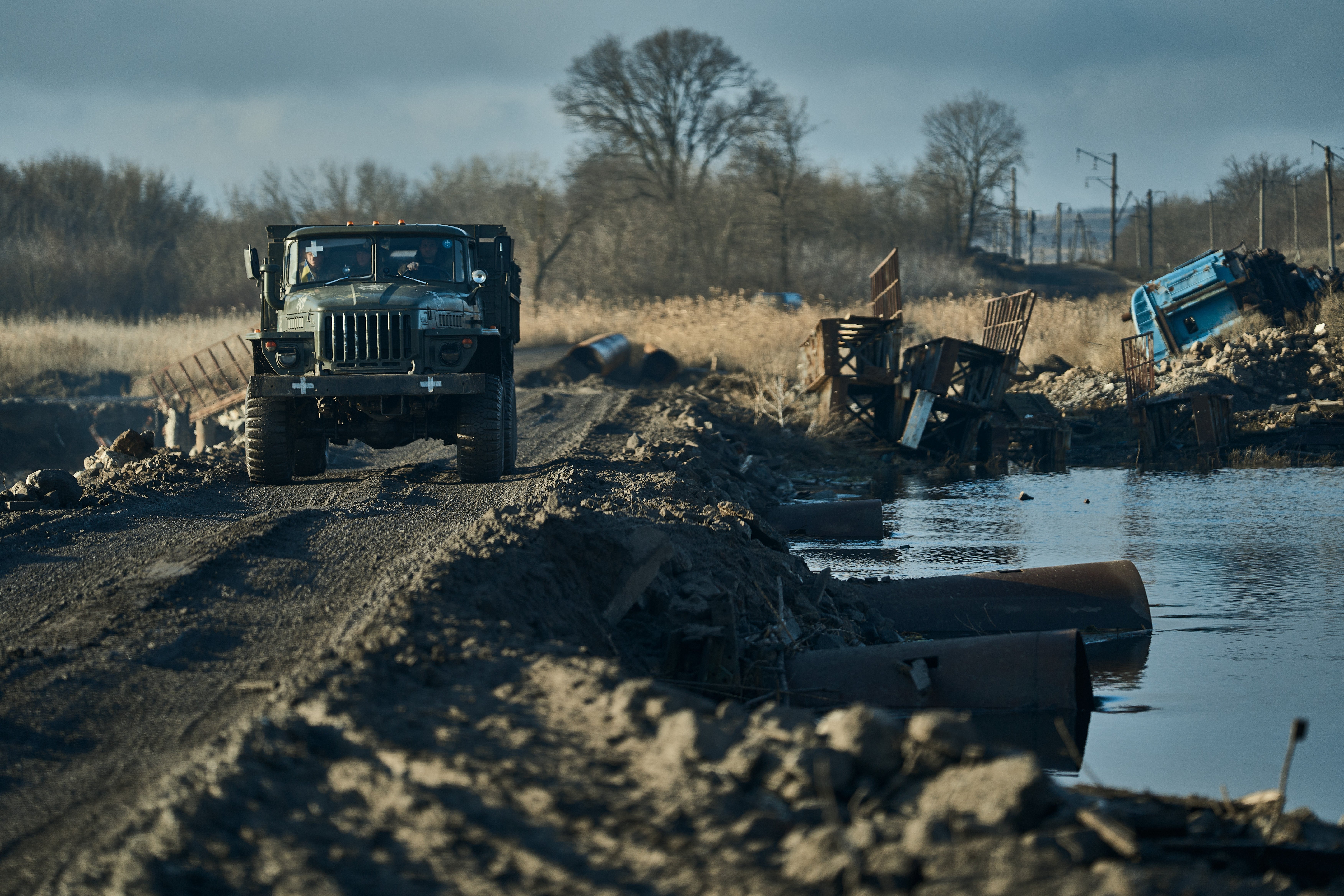
Ukrainian forces have driven most Russian troops out of Kupiansk, with fewer than 100 Russian soldiers believed to remain, hiding in basements and ruined buildings in parts of the city.
Yet Russian commanders continue sending reinforcements into the area through an aging gas pipeline that runs beneath the Oskil River, according to The Washington Post on January 19.
We bring you stories from the ground. Your support keeps our team in the field.
Ukrainian soldiers first learned about the pipeline last summer from captured Russian troops. At the time, Ukrainian units were close to losing Kupiansk and urgently requested better-trained reinforcements.
Those units arrived, and by late September, Ukrainian forces launched a counteroffensive that largely cleared the city by December—around the same time Putin invited foreign journalists to Kupiansk and declared it “fully under our control.”
Armed with intelligence about the pipeline, Ukrainian forces identified its exit points and blocked Russian attempts to move troops across the river. Despite heavy losses, Russian commanders have continued using the same route.
“If they have anything, it’s manpower,” said a lieutenant colonel from Ukraine’s 13th Operational Brigade, “Khartiia,” callsign Abat, speaking to The Washington Post. “I use drones. They use people.”
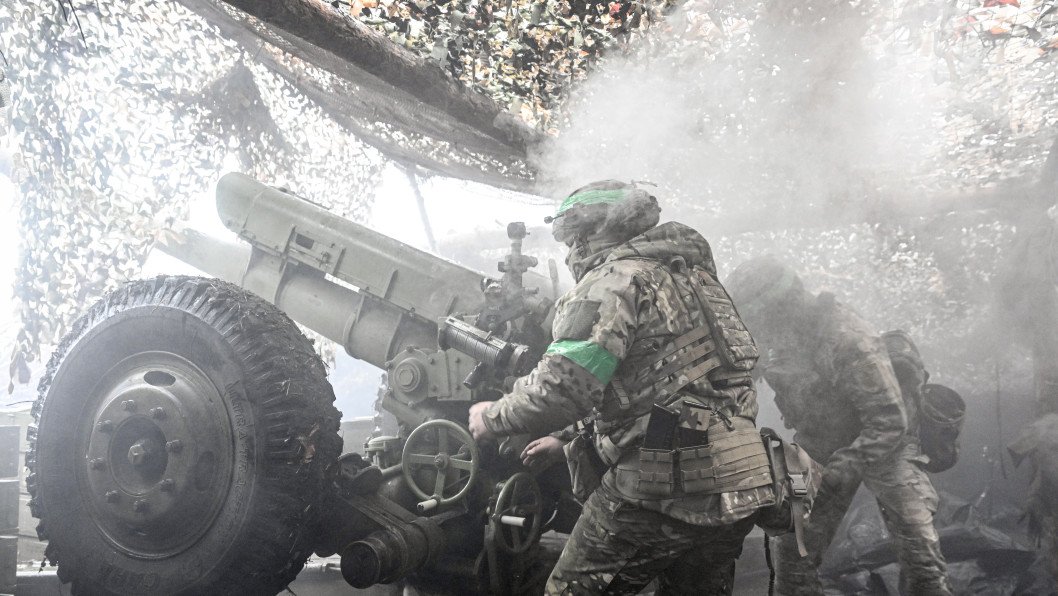
“They send them through the pipeline just to test us,” he added. “If they send 10 men, maybe two make it out.”
Ukrainian drone crews now monitor every known pipeline exit. Washington Post reporters embedded with the operators witnessed repeated strikes on Russian soldiers emerging from the pipe.
Ukrainian commanders say the troops crawl roughly 15 kilometers through the pipeline, sometimes using electric scooters while crouched inside the confined space. Some soldiers have emerged showing signs of chemical poisoning.
Anton Shmyhal, commander of the 1st Battalion of Ukraine’s 429th Achilles Unmanned Systems Brigade, told The Washington Post that his unit studied pipeline schematics and destroyed nearby shelters to prevent Russian troops from taking cover after exiting.
-6359eca46c72bde40a90abaaadd6eaa8.png)
In November, Shmyhal ordered drone strikes on underwater sections of the pipeline, dropping explosives from the air.
For nearly two weeks afterward, no Russian soldiers emerged, forcing Moscow’s troops to attempt river crossings on makeshift rafts. Eventually, Russian forces built new entry points, and pipeline infiltration resumed.
Ukrainian commanders estimate fewer than 100 Russian troops remain in Kupiansk. But the city is large, and searching for them in basements could take months, said Vitalii, a commander with the Achilles unit. Russian drones continue to operate overhead, while new assault groups repeatedly attempt to cross the river or infiltrate through the pipeline.
-25da26ff70e06c5257e2e1744f7e9f39.png)
Still, Vitalii described Ukraine’s success in Kupiansk as “an obvious, significant, and visible victory,” noting that Ukrainian forces have prevented Russia from bringing heavy equipment into the city and confined remaining troops to an area of roughly one square kilometer.
Earlier, Ukrainian troops regained control of the Kupiansk City Council building and raised the national flag over it, marking a symbolic and strategic milestone in the ongoing counteroffensive in the Kharkiv region.
Discuss this article:





-c439b7bd9030ecf9d5a4287dc361ba31.jpg "Photo of Katherina Popilnichenko")