- Category
- Latest news
Lithuania Cracks Down on Foreign Security Threats, Banning 1,721 Belarusian and Russian Nationals
 Prefer U24 Media on Google
- Authors


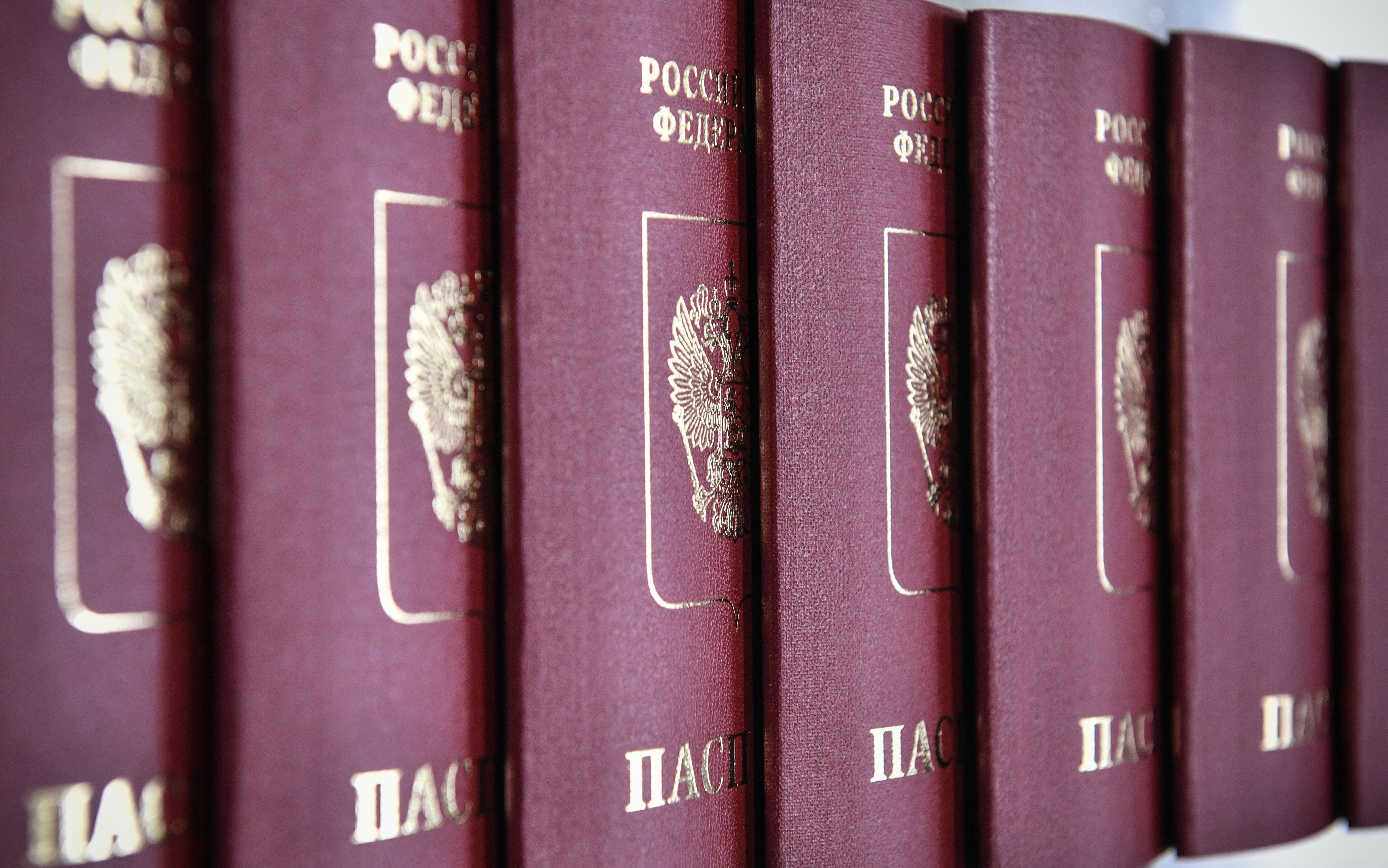
In 2025, Lithuania's authorities identified 1,721 citizens of Belarus and Russia as threats to the country's national security, public order, or public health.
This was reported by Current Time on January 21, citing the Migration Department of Lithuania’s Ministry of Internal Affairs.
We bring you stories from the ground. Your support keeps our team in the field.
Among those identified were 1,634 Belarusian nationals, nearly three times the number from 2024, which was 598. Last year, 391 Belarusians were refused residence permits on their first application, 1,023 had their requests for permit renewals denied, and 214 had their valid permits revoked.
The remaining individuals considered a security threat were Russians, totaling 87. In 2024, such decisions were made regarding 125 Russian nationals. In the previous year, 14 Russians were refused initial residence permits, 28 had their permit extensions rejected, and 13 had their existing residence permits canceled.
As a result, all those deemed security threats have been banned from entering Lithuania.
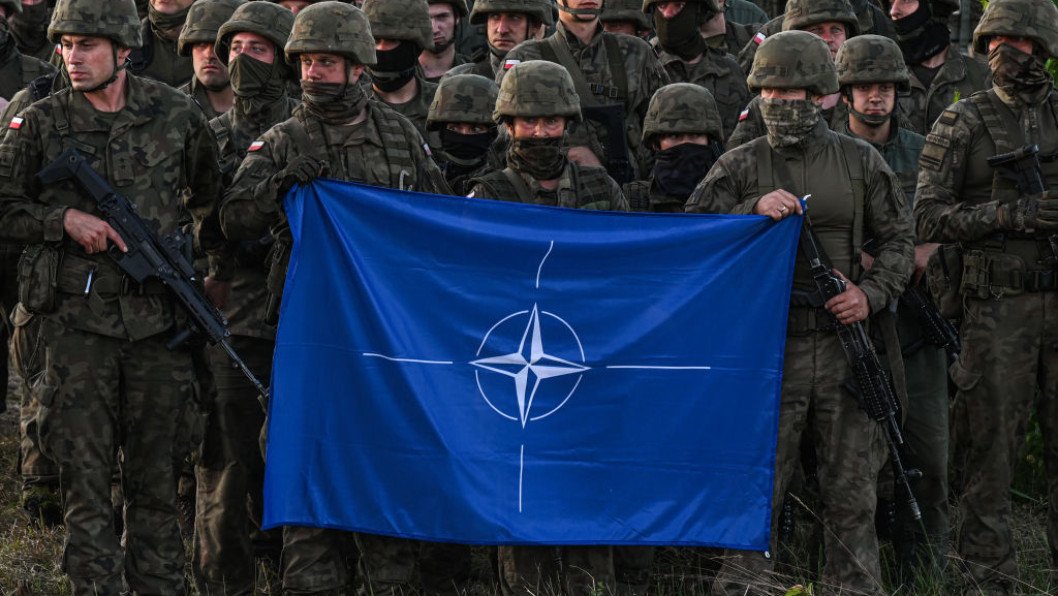
Additionally, according to Current Time, Lithuania has passed a law restricting Russians from traveling to Russia and Belarus more than once every three months, with exceptions for those involved in international cargo or passenger transportation.
Lithuanian intelligence agencies, which have pushed for stricter residency conditions for citizens of Russia and Belarus, believe that Russia’s FSB and Belarus’s KGB often recruit individuals who frequently travel back to their home countries from Lithuania.
In related developments, Russia has reportedly advanced its timeline for potential military action against European countries, moving its readiness plans from 2030 to as early as 2027, according to Kyrylo Budanov, the Head of the Office of the President.
Budanov indicated that the Kremlin's primary focus in such an eventuality would be the Baltic states, specifically naming Lithuania, Latvia, and Estonia as the most likely initial targets.
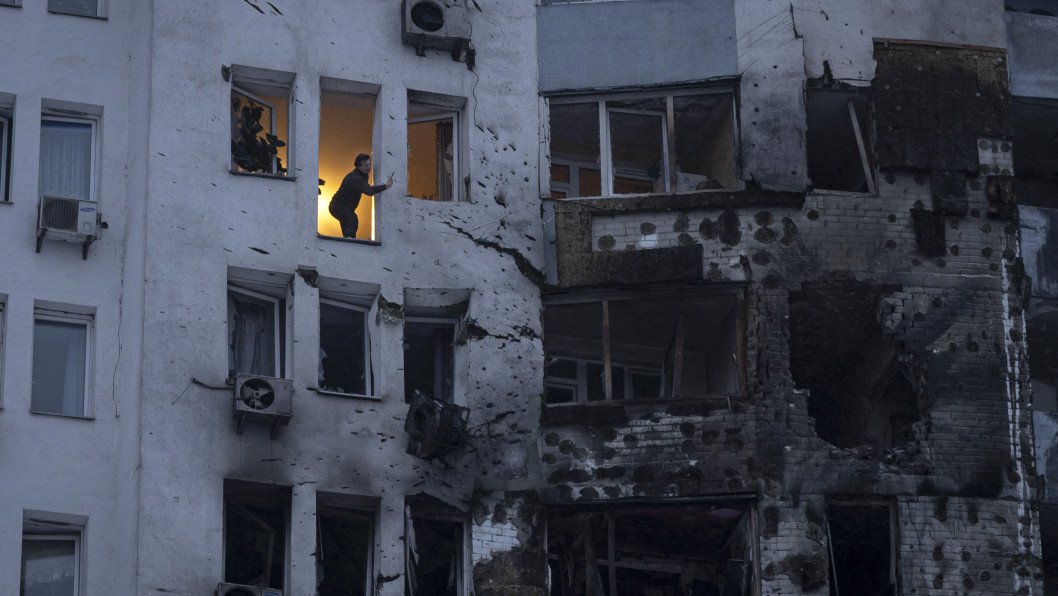
“According to the original plan, Russia was supposed to be ready to begin operations in 2030. Now, the plans have been adjusted and revised to bring the deadline forward to 2027,” Budanov said.
He also emphasized that Russia's strategic approach is not simply driven by immediate tactical needs but is heavily influenced by long-standing imperial ideologies. In his view, Moscow believes that expansion is crucial to maintaining its empire, viewing the West as weakened, indecisive, and vulnerable.
Earlier, Ukraine became a key focus of Lithuania's revised National Security Strategy for 2026, according to an analysis released by Ukraine’s Foreign Intelligence Service.
The draft strategy, developed by the Lithuanian Ministry of National Defense, clearly outlines that European security cannot be ensured without a sovereign, independent, and secure Ukraine, fully integrated into the Euro-Atlantic community.
Discuss this article: