- Category
- Latest news
Lithuania Unveils Three-Layer Defense System on NATO’s Eastern Flank
 Prefer U24 Media on Google
- Authors

-bc3a858c02559a87d18a891021688075.jpeg "Photo of Yuto Ichikawa")
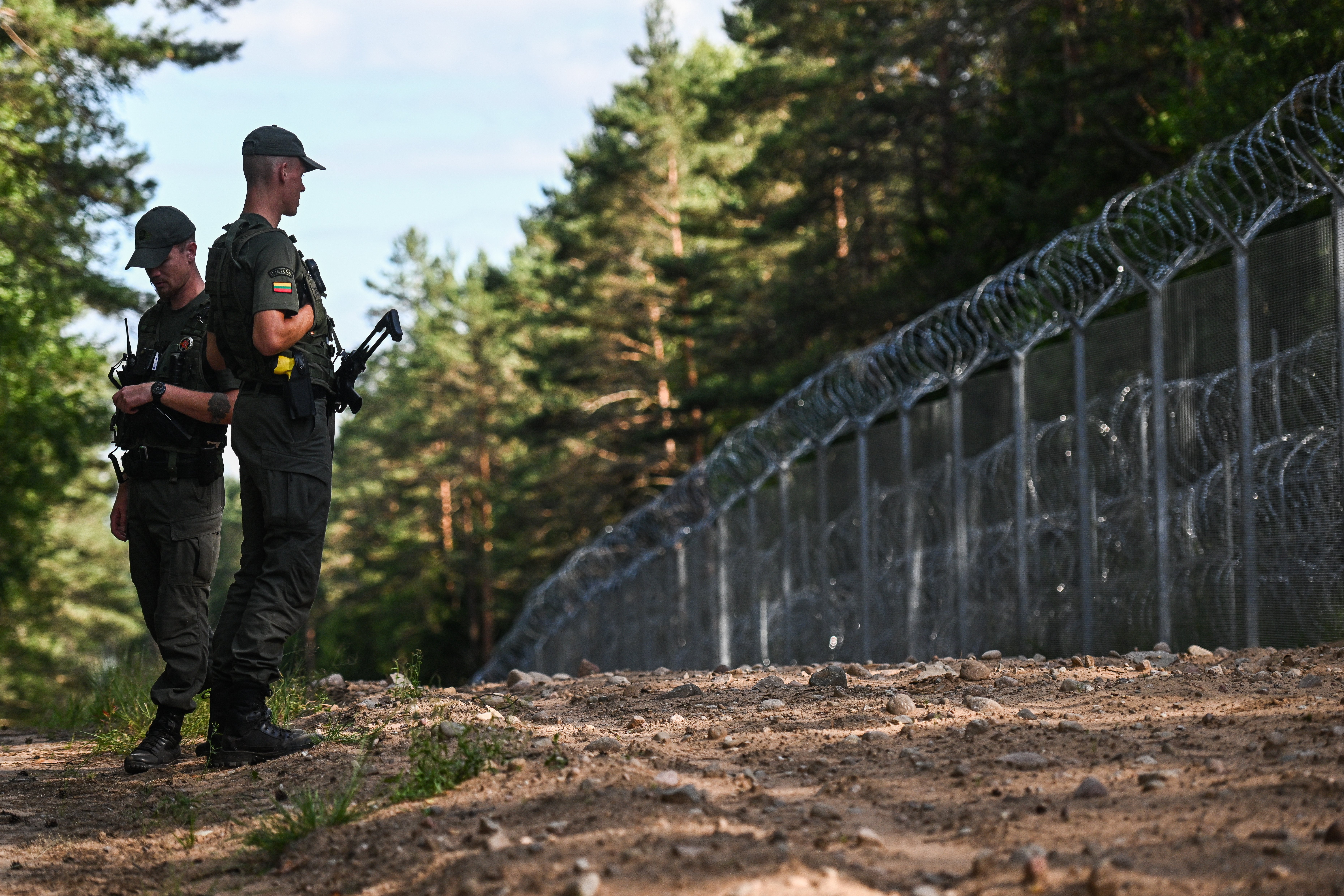
Lithuania has launched an ambitious plan to fortify its border with Belarus and Russia’s Kaliningrad exclave, creating a three-echelon defense system designed to delay, disrupt, and repel any potential invasion, according to the Ministry of National Defence of Lithuania, reported by Army Recognition on August 22.
🇱🇹 Lithuania is shifting from individual counter-mobility measures to a unified 3-echelon defence line – giving greater depth, stronger control & full NATO/EU integration at our frontier. pic.twitter.com/qgd4VXYKCZ
— Lithuanian MOD 🇱🇹 (@Lithuanian_MoD) August 14, 2025
The first echelon is a hardened denial zone stretching up to five kilometers from the frontier—will feature anti-tank ditches, prefabricated concrete obstacles, razor wire, minefields, and fortified infantry positions equipped with Javelin and Spike-LR2 anti-tank missiles.
The second echelon, set 10 to 15 kilometers behind the border, will be a maneuver disruption zone. Pre-rigged bridges, mined culverts, and engineered chokepoints will slow invading forces, while Lithuanian mechanized infantry supported by Boxer infantry fighting vehicles, artillery, and German-made PzH 2000s carry out ambushes and counterattacks.
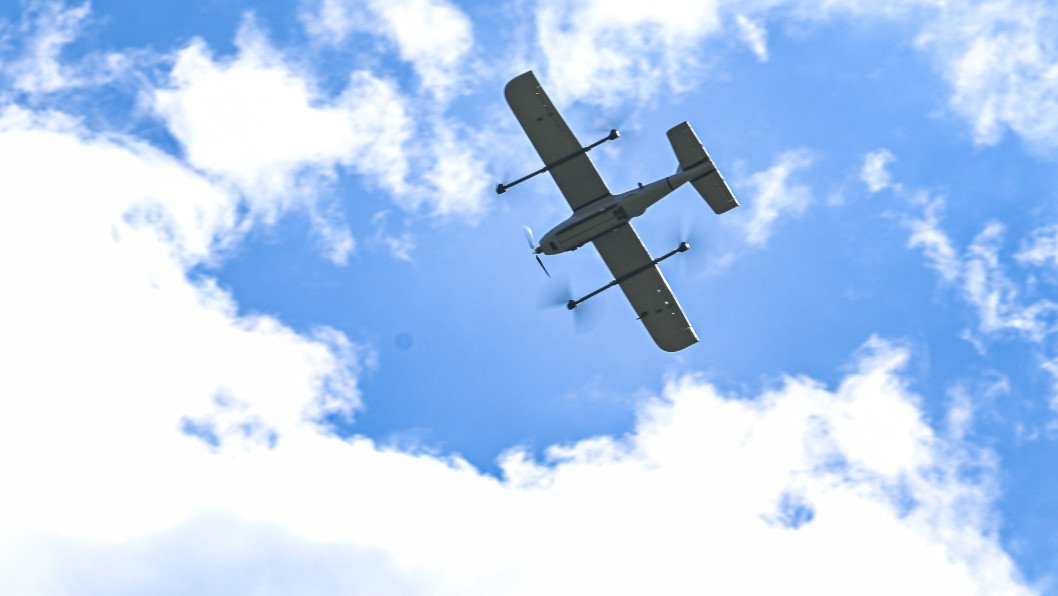
The third echelon will serve as the final disruption zone before cities and key installations, designed for rapid conversion of civilian infrastructure into defensive positions. Mobile HIMARS launchers, electronic warfare systems, and loitering munitions such as Switchblade 600 drones will provide long-range and flexible strike options.
The project reflects a dramatically altered security environment in the Baltic region since Russia’s invasion of Ukraine in 2022.
Lithuania has been one of Kyiv’s staunchest supporters—donating armored vehicles, anti-tank systems, and training thousands of Ukrainian troops—while also hosting NATO battlegroups led by Germany.
With defense spending now exceeding 3.1 percent of GDP, Vilnius is investing heavily in infrastructure, advanced weapons, and joint Baltic defense initiatives with Latvia, Estonia, and Poland.
NATO officials see the fortified line as a crucial safeguard for the Suwałki Gap, the narrow corridor linking the Baltics to Poland that analysts consider one of NATO’s most vulnerable pressure points.
Construction will begin in late 2025 in high-priority zones, including the Suwałki corridor, with engineering and logistics support from Germany, Denmark, and the Czech Republic.
Live-fire drills simulating border incursions and defense operations are scheduled for early 2026 under the multinational Iron Shield exercise.
Earlier this month, Lithuania intensified calls for stronger NATO protection amid escalating Russian provocations. Lithuanian officials urged NATO Secretary General Mark Rutte to take immediate action to bolster the country’s air defense capabilities after multiple Russian drones violated Lithuanian airspace, Foreign Minister Gabrielius Landsbergis said in a post on X on August 5.
Discuss this article: