- Category
- Latest news
NASA Readies First Crewed Moon Mission Since 1972
 Prefer U24 Media on Google
- Authors

-c439b7bd9030ecf9d5a4287dc361ba31.jpg "Photo of Katherina Popilnichenko")
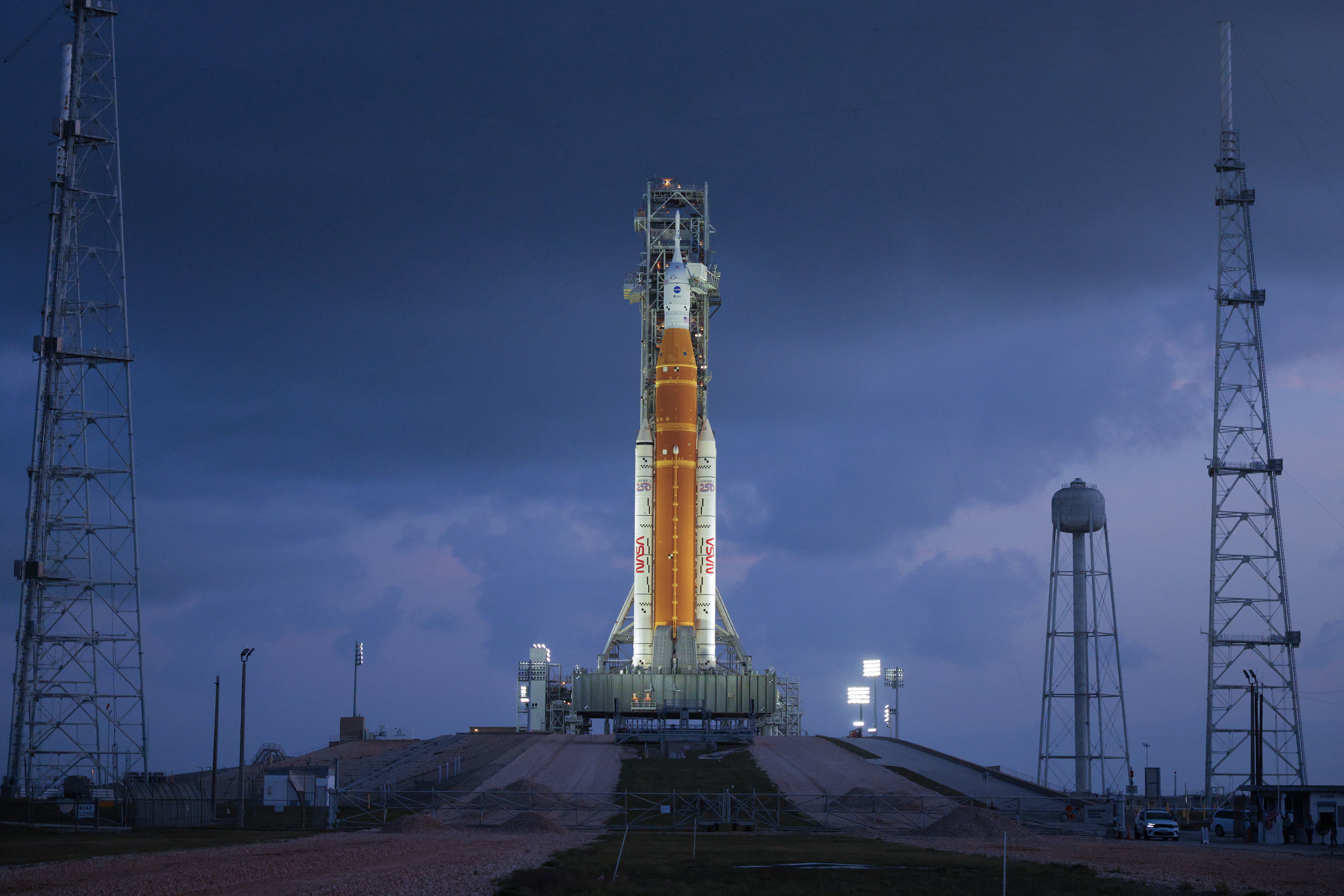
NASA’s Space Launch System (SLS) rocket and the Orion spacecraft for the Artemis II mission are now positioned at Launch Pad 39B at the Kennedy Space Center in Florida.
This test flight will send a crew of four on a 10-day mission around the Moon, marking the first time humans have traveled to lunar orbit since the Apollo 17 mission in 1972.
We bring you stories from the ground. Your support keeps our team in the field.
The mission is scheduled to lift off at 6:24 PM EDT on Wednesday, April 1 (01:24 AM Kyiv time on Thursday, April 2).
The crew includes Commander Reid Wiseman, Pilot Victor Glover, Mission Specialist Christina Koch, and Canadian Space Agency astronaut Jeremy Hansen.
Their journey is designed to test the critical systems and technologies required for future lunar landings under the Artemis III project, as well as eventual human missions to Mars.
Current weather reports indicate an 80% chance of favorable conditions for the launch. If a delay occurs, NASA has additional launch windows available through April 6.
The Artemis II mission has faced several previous delays, including a scrubbed attempt in early February 2026 due to a launch test issue and a subsequent delay in March caused by a helium supply malfunction.
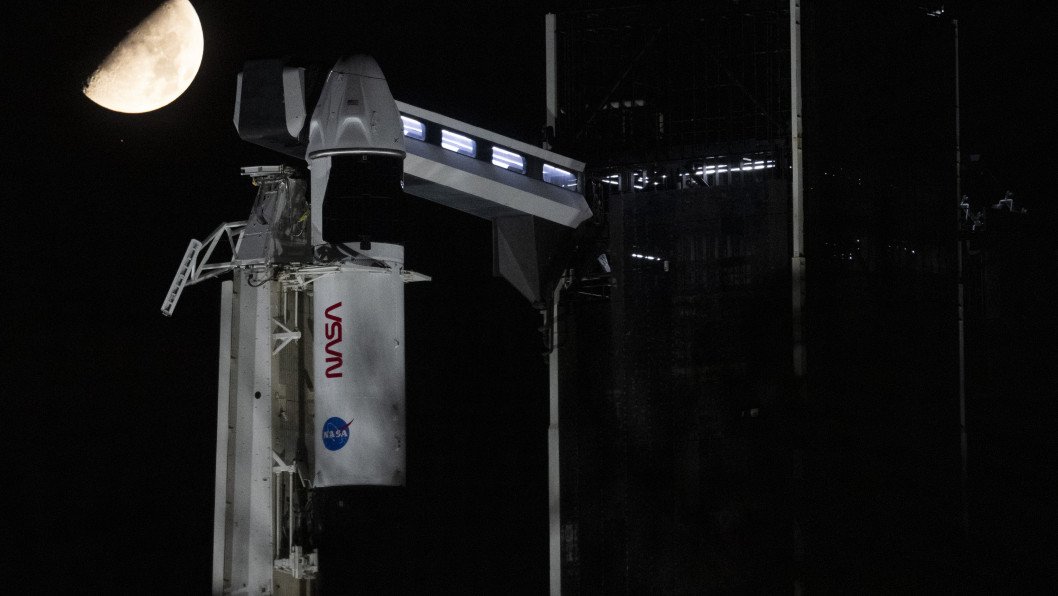
This mission follows the successful uncrewed Artemis I flight in November 2022. During that 25-day mission, the Orion spacecraft tested safety and flight systems while orbiting the Moon to ensure they were ready for a human crew.
In late 2025, the European Space Agency (ESA) approved a record $25.6 billion budget, marking a historic shift toward space militarization.
For the first time, member states funded the European Resilience from Space (ERS) program, a dual-use system designed for military-grade surveillance, navigation, and secure communications.
As part of this agreement, Germany maintained its position as the agency's largest contributor, securing a commitment that a German astronaut would be the first European to join NASA’s Artemis lunar missions.
Discuss this article: