- Category
- Latest news
New Energy Law to Synchronize Ukraine With European Power Grid
 Prefer U24 Media on Google
- Authors

-c439b7bd9030ecf9d5a4287dc361ba31.jpg "Photo of Katherina Popilnichenko")
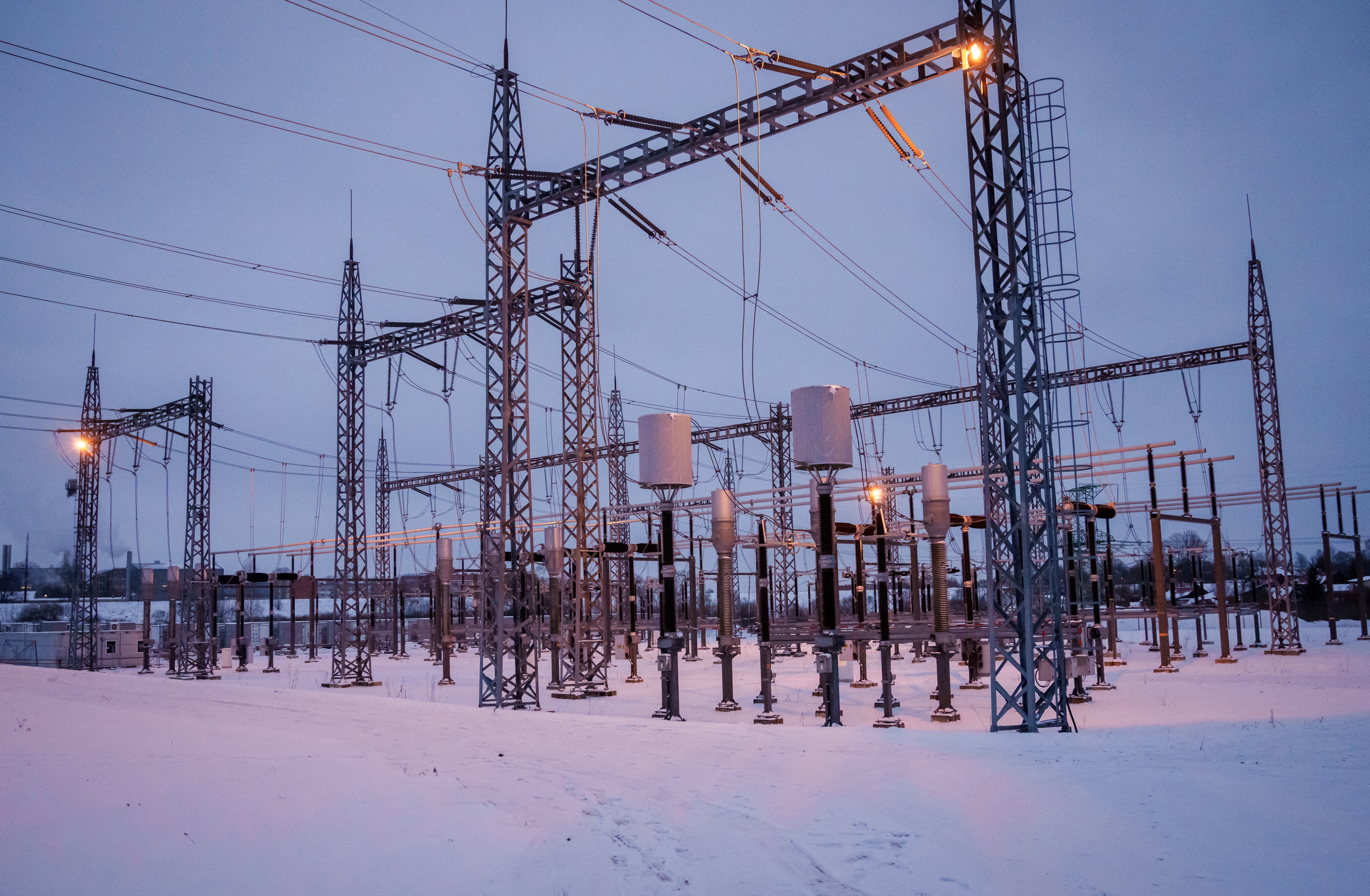
Ukraine’s parliament, the Verkhovna Rada, has passed a new law to merge Ukraine's energy markets with those of the European Union.
Law No. 12087-d was officially confirmed by the press service of the Parliament on April 7.
We bring you stories from the ground. Your support keeps our team in the field.
The formal title of the document is the "Law of Ukraine on the implementation of European Union law and the integration of energy markets, increasing the security of supply and competitiveness in the energy sector."
The primary goal is to create a legal framework allowing Ukraine’s electricity market to operate within the European Union’s internal energy market.
A key feature of the law is the introduction of "market coupling." This mechanism will align the trading of electricity "day-ahead" and within the same day across Ukrainian and European trading zones. This ensures that electricity prices and volumes are coordinated and consistent between the two regions.
The law also adopts the European model for managing risks in the electricity sector and sets up systems to ensure there is enough power capacity available.
It introduces new ways to manage energy supply and demand, such as aggregation, which allows smaller energy sources to be grouped together. It also gives more control over when and how much electricity is used by consumers.
Furthermore, the legislation ensures that the Ukrainian energy grid meets the standards of ENTSO-E, the European network of transmission system operators. This alignment is intended to guarantee that the system remains secure and fully compatible with European Union countries.
The final version of the law was passed after lawmakers considered 47 amendments. In total, 1,358 amendments had been submitted for review during the legislative process.
Previously, the Baltic States moved to achieve full energy independence by deciding to sever their ties with the Russian-controlled power grid.
Operators from Lithuania, Latvia, and Estonia formally notified Russia and Belarus that they would not extend the BRELL agreement.
This agreement had kept their systems synchronized with the Integrated Power System since the Soviet era.
To prepare for this transition, the operators planned to synchronize with the Continental Europe Synchronous Area after conducting isolated operation tests. This shift was accelerated in response to Russia’s full-scale invasion of Ukraine, aiming to enhance energy security and finalize a definitive break from the Russian energy sector.
Discuss this article:

-72b63a4e0c8c475ad81fe3eed3f63729.jpeg "Photo of Cyril Barabaltchouk")
-111f0e5095e02c02446ffed57bfb0ab1.jpeg "Photo of Roman Kohanets")