- Category
- Latest news
Nuclear Cruiser Admiral Nakhimov Exposes Russia’s 40-Year Naval Gap With The US Navy
 Prefer U24 Media on Google
- Authors


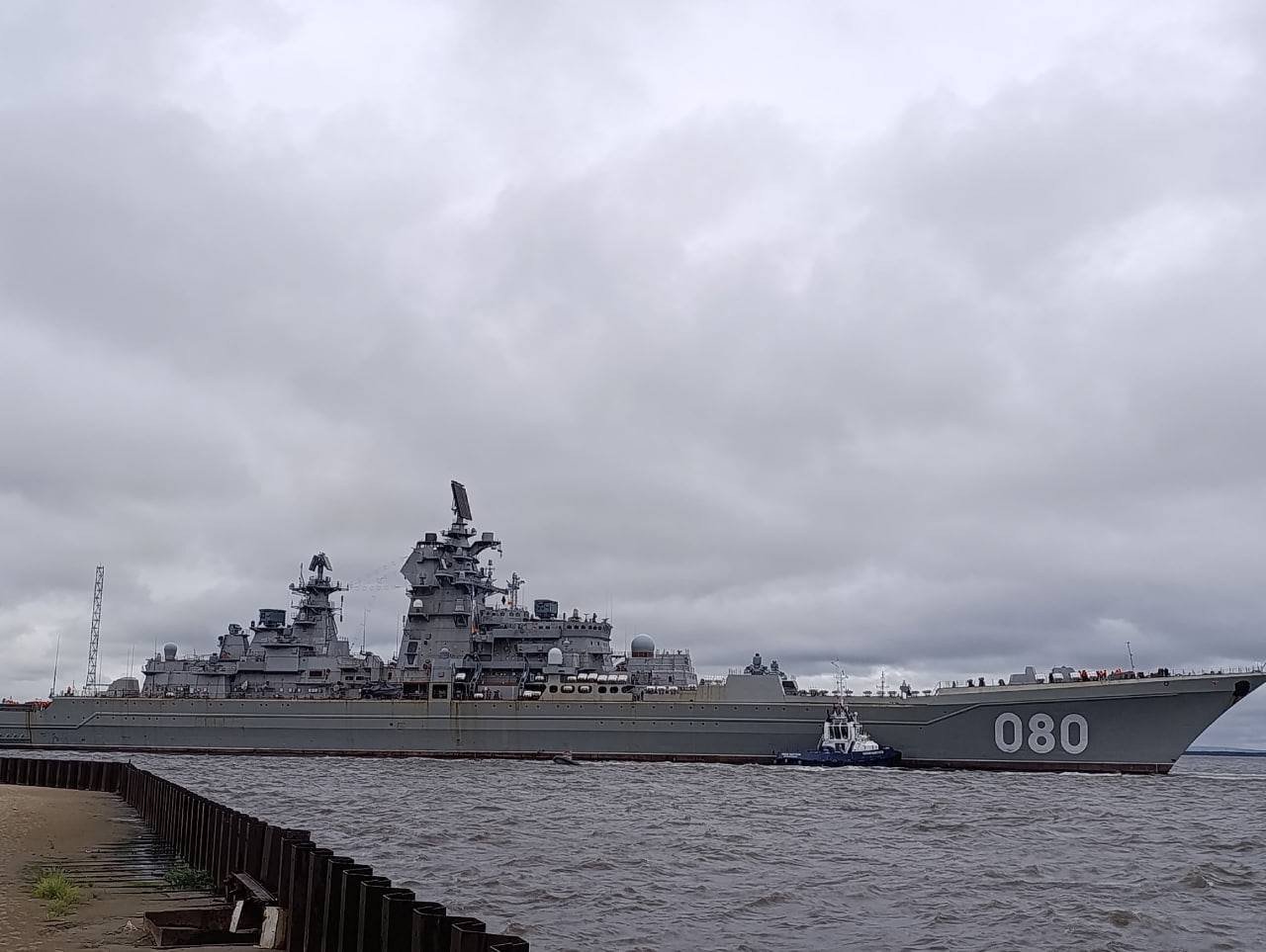
Russia’s plans to return the nuclear-powered missile cruiser Admiral Nakhimov to service in 2026 would mark the completion of a modernization effort intended to provide the vessel with long-range land-attack capabilities comparable to those introduced by the United States in the 1980s.
According to Defense Express on February 16, the upgraded cruiser—originally commissioned as Kalinin under the Soviet Union—has completed the first phase of sea trials.
We bring you stories from the ground. Your support keeps our team in the field.
The outlet reports that the modernization includes the installation of 80 universal vertical launch cells capable of firing Kalibr and Oniks cruise missiles, enabling strikes against both surface and land targets.
The ship entered repairs in 1997, but the process later evolved into a large-scale modernization program, Defense Express reports. The cruiser belongs to the Soviet-era Project 1144 Orlan class, originally conceived in the 1960s in Leningrad as a large anti-submarine vessel.
Over time, the design expanded into a 24,100-ton heavy nuclear-powered missile cruiser equipped with anti-ship, anti-submarine, and air-defense systems.
🇷🇺⚓️📈💰 Russia spent $5B upgrading the nuclear battlecruiser Admiral Nakhimov. Strategic asset or strategic liability?
— Russian Forces Spotter (@TiaFarris10) February 13, 2026
[THREAD] pic.twitter.com/gOk1ZFW4uU
The vessel’s original primary strike weapon was the P-700 Granit anti-ship missile, designed to target carrier strike groups at distances of up to 500 kilometers. Air defense relied on the naval version of the S-300F system.
However, as Defense Express notes, several of these systems were still under development when construction began in the 1970s, meaning the ship reached its planned combat configuration only years after it was laid down.
According to Defense Express, while the Soviet Union was advancing Project 1144, the US Navy introduced a different model of naval warfare based on the Aegis combat system and the Mk 41 Vertical Launch System.
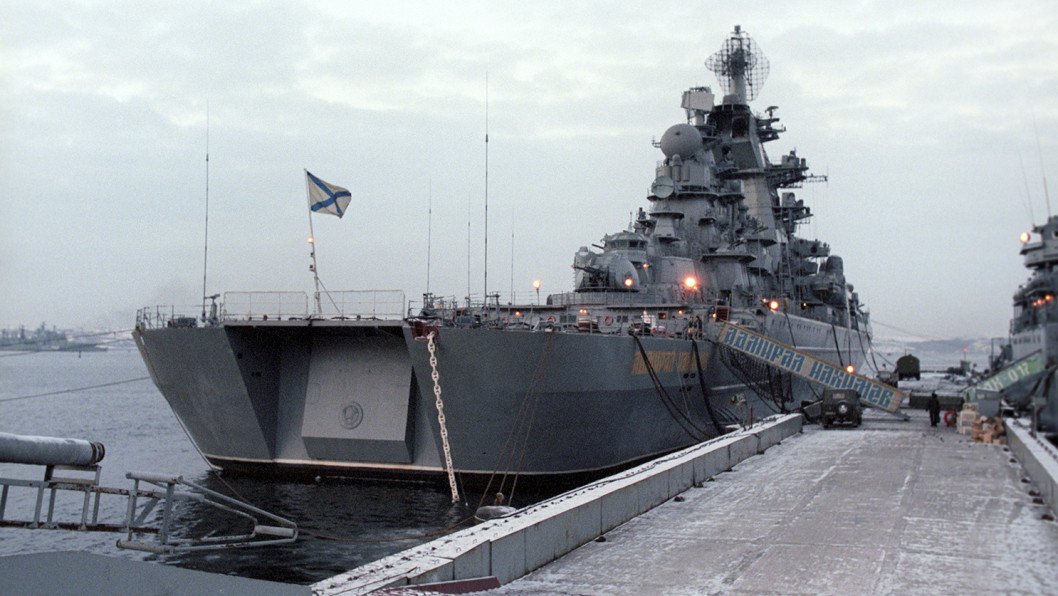
USS Ticonderoga entered service with Aegis in 1983, and USS Bunker Hill became the first in its class equipped with the Mk 41 launch system in 1986. These cruisers were capable of launching Standard surface-to-air missiles as well as Tomahawk cruise missiles for long-range precision strikes against land targets.
Defense Express reports that Ticonderoga-class cruisers carry up to 122 vertical launch cells while displacing approximately 9,800 tons. By comparison, the modernized Admiral Nakhimov is expected to field 80 launch cells despite a displacement of roughly 23,750 tons.
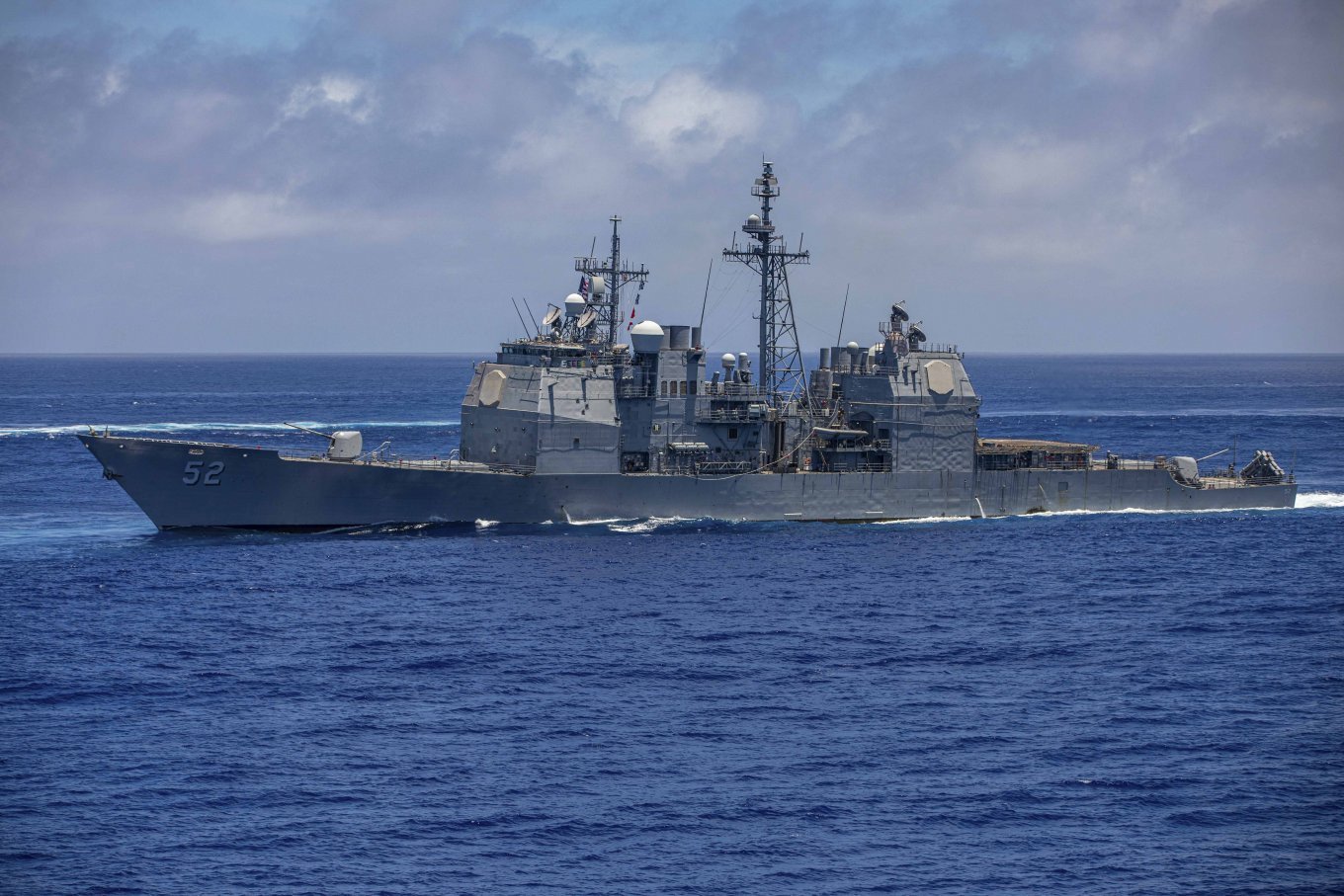
The Soviet Union collapsed before resolving the technological and structural limitations of the Project 1144 cruisers. Russia later resumed development of ships equipped with universal launch systems, launching the Project 22350 frigate Admiral Gorshkov in 2010 with the UKSK 3S14 vertical launch system. Work to retrofit Admiral Nakhimov with the same system began in 2013.
If the cruiser reenters service in 2026, it would represent the completion of a multi-decade effort to equip a Soviet-designed heavy cruiser with long-range land-attack capabilities similar to those fielded by the US Navy in the mid-1980s, according to Defense Express.
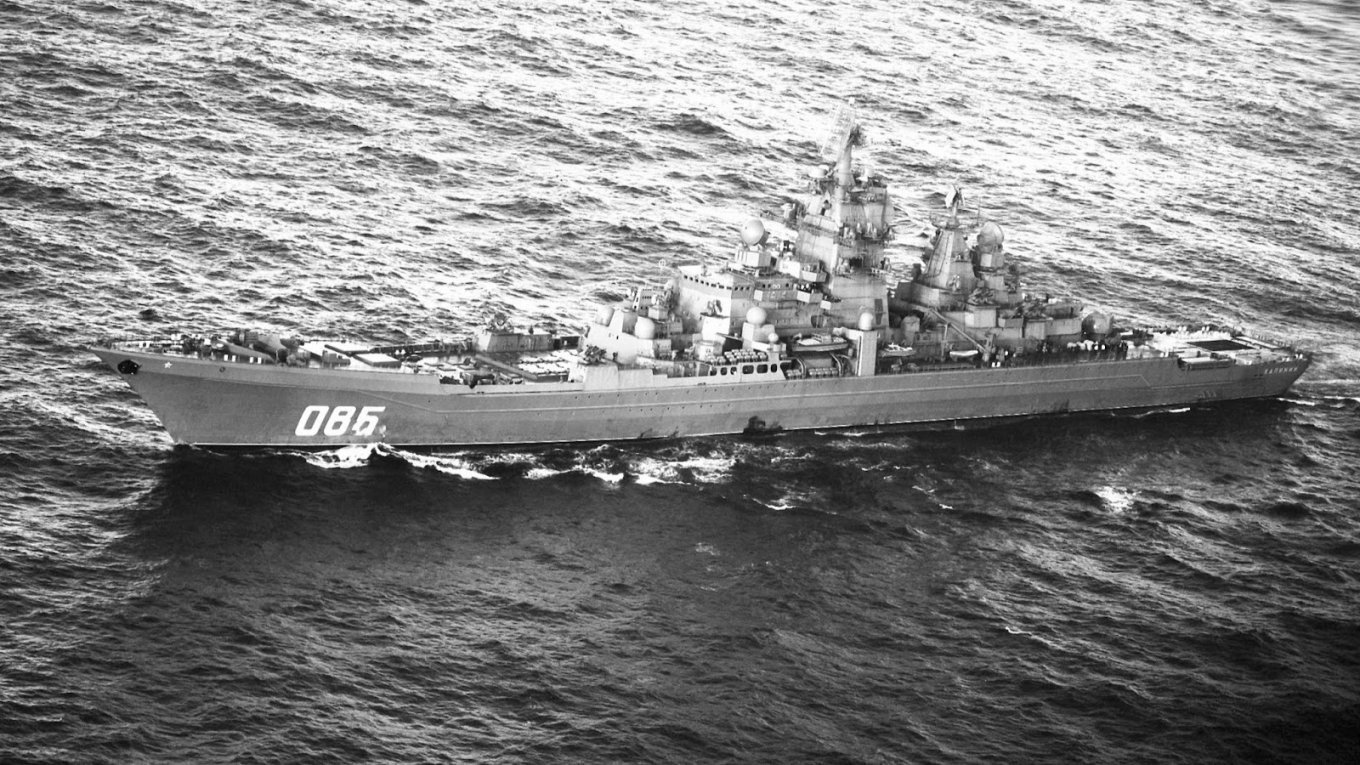
The outlet also notes that during the extended modernization period, naval warfare has evolved, including the increased role of unmanned systems in maritime operations.
Earlier, Army Recognition reported that Russia is preparing to retire its only aircraft carrier, Admiral Kuznetsov, following years of refit delays, on-board fires, and mounting technical issues. The decision effectively ends Russia’s ability to conduct fixed-wing carrier operations, underscoring the collapse of its ambitions to remain a blue-water naval power.
Discuss this article:
-4a56a6b482ec132402c16ef6fcabf9a2.png)