- Category
- Latest news
Ukraine Turned Russia’s $5 Billion Modernized Nuclear Warship Into Dead Weight
 Prefer U24 Media on Google
- Authors


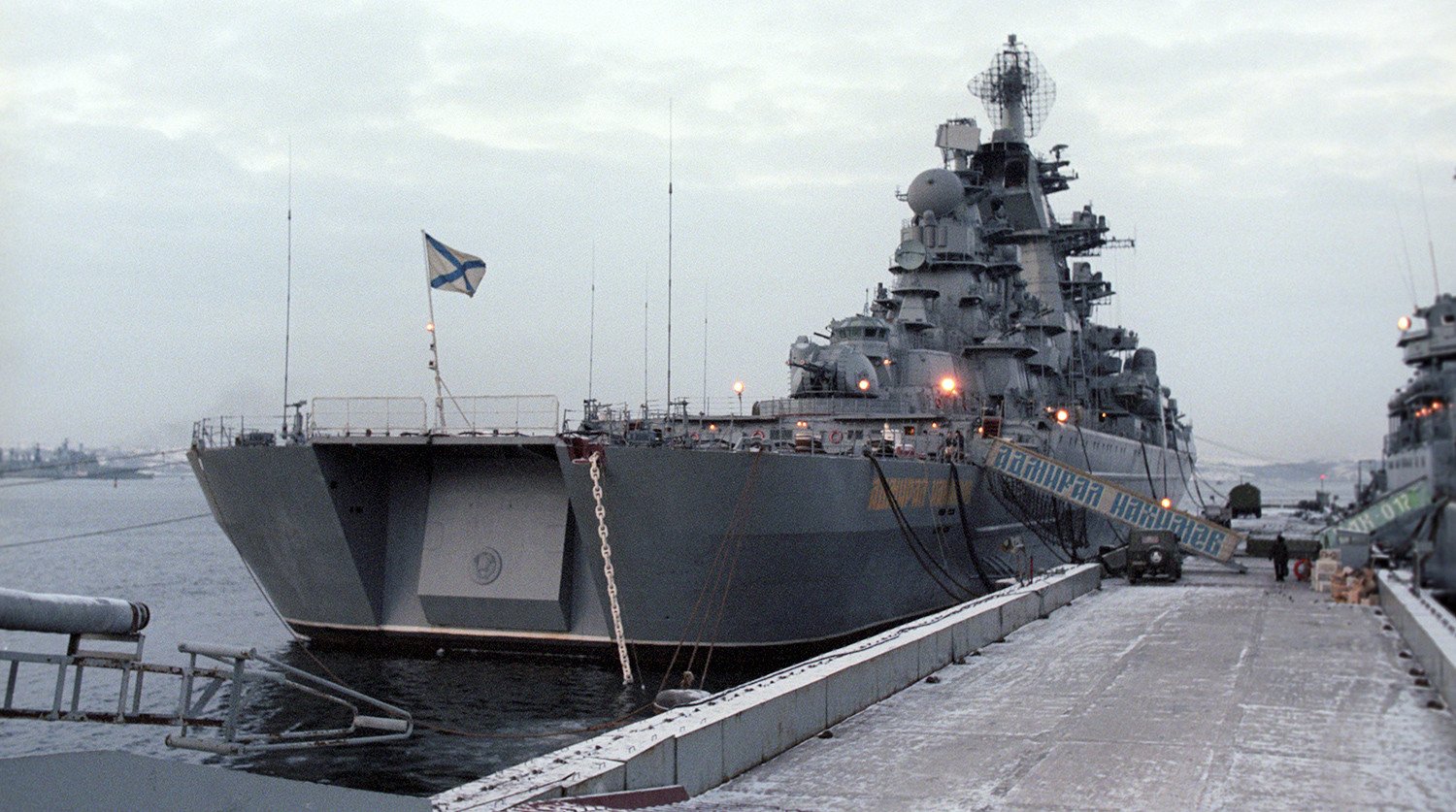
Ukraine’s use of low-cost naval and aerial drones has raised new questions about the operational value of Russia’s most heavily upgraded surface combatant—the nuclear-powered missile cruiser Admiral Nakhimov.
According to Defense Express, the long-delayed modernization of the Soviet-era warship has cost over $5 billion and spanned nearly two decades.
We bring you stories from the ground. Your support keeps our team in the field.
Despite its enhanced missile loadout and air defense systems, analysts suggest it is now a vulnerable asset in an era dominated by drone warfare.
The Admiral Nakhimov, a Project 1144 Orlan-class cruiser, entered overhaul in 1997. After years of delays, it has only recently returned to sea trials. Its refurbishment includes 80 universal launchers capable of firing Kalibr, Oniks, and Tsirkon cruise missiles, as well as upgraded long-range air defense systems.
Today, the Project 11442M Kirov-class heavy nuclear-powered missile cruiser Admiral Nakhimov after repair and modernization went to sea for factory sea trials.
— Massimo Frantarelli (@MrFrantarelli) August 18, 2025
📸🎥Alekseeva/Aristovahttps://t.co/WS9nujMe60 pic.twitter.com/7j9PqKKvIe
But as naval analyst H. I. Sutton writes in Navy News, these improvements may not translate into battlefield effectiveness. “Even before the drone era, concentrating this much firepower in a single hull was questionable. Now it’s even more debatable,” Sutton notes.
Ukraine’s development of mass-produced maritime drones—both surface and subsurface—as well as loitering munitions and aerial strike drones, has transformed the nature of naval combat.
These small, inexpensive systems have proven capable of penetrating Russian defenses and damaging or sinking high-value vessels.
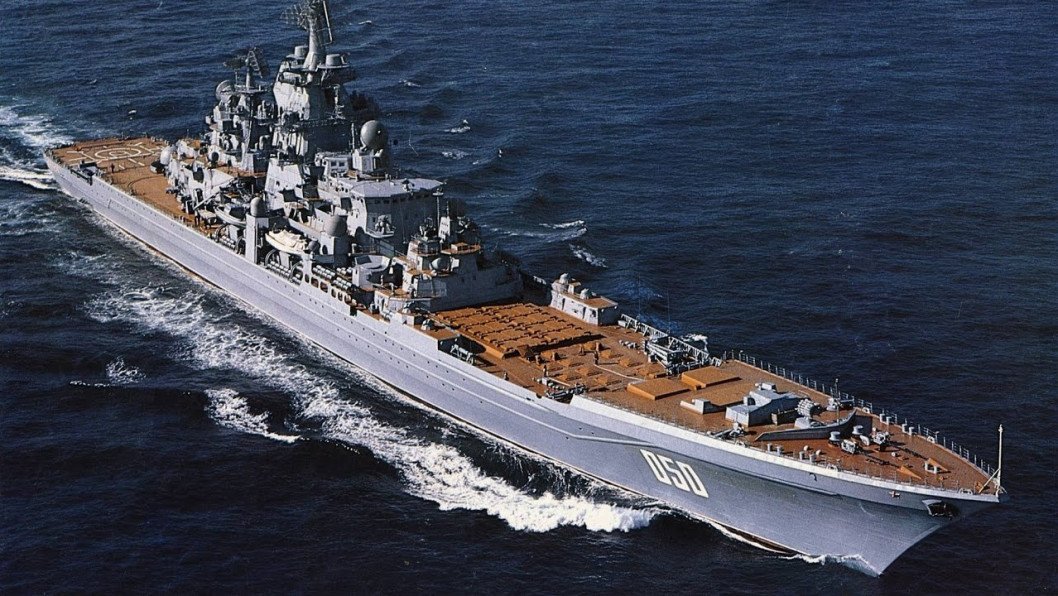
This shift means that platforms like the Admiral Nakhimov could be overwhelmed not by large fleets, but by swarms of drones. Sutton argues that even a single drone penetrating defenses could “strategically affect the course of the war”—a far more efficient return on investment than costly missile ships.
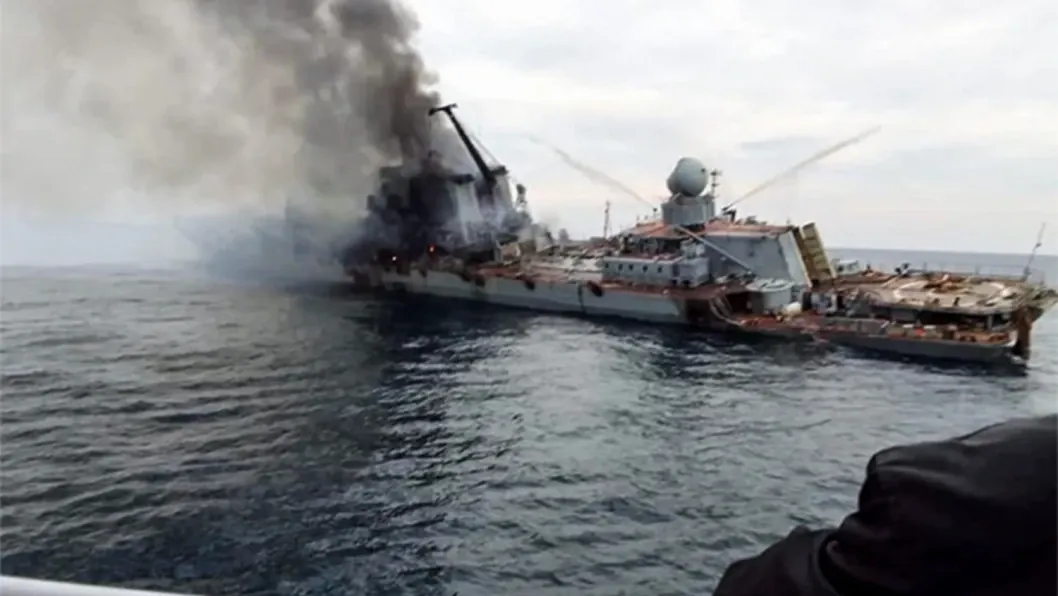
Russia’s Black Sea Fleet flagship, the missile cruiser Moskva, was sunk by Ukrainian Neptune missiles in 2022, highlighting the vulnerability of large warships without adequate point defense and damage control capabilities. Sutton suggests the funds allocated to Admiral Nakhimov might have been better spent on survivability measures such as fire suppression and compartmentalization.
The Admiral Nakhimov now appears to serve more as a symbol of naval prestige than as a functional deterrent. Sutton likens its modernization program to “a vanity project,” where visual presence and parade participation may outweigh real combat utility.
The changing dynamics of naval warfare—driven by the growing role of drones—are calling into question the viability of traditional capital ships. Ukraine’s emphasis on asymmetric maritime strategies may serve as a template for future naval doctrine, particularly for nations facing larger adversaries with conventional fleets.
Earlier, Army Recognition reported that Russia is preparing to retire its only aircraft carrier, Admiral Kuznetsov, following years of refit delays, on-board fires, and mounting technical issues. The decision effectively ends Russia’s ability to conduct fixed-wing carrier operations, underscoring the collapse of its ambitions to remain a blue-water naval power.
Discuss this article:
-4a56a6b482ec132402c16ef6fcabf9a2.png)


-c439b7bd9030ecf9d5a4287dc361ba31.jpg "Photo of Katherina Popilnichenko")


