- Category
- Latest news
Over 400,000 Tonnes of Ukrainian Grain Stolen by Russia Through Berdiansk Port, Investigation Finds
 Prefer U24 Media on Google
- Authors


-111f0e5095e02c02446ffed57bfb0ab1.jpeg "Photo of Roman Kohanets")

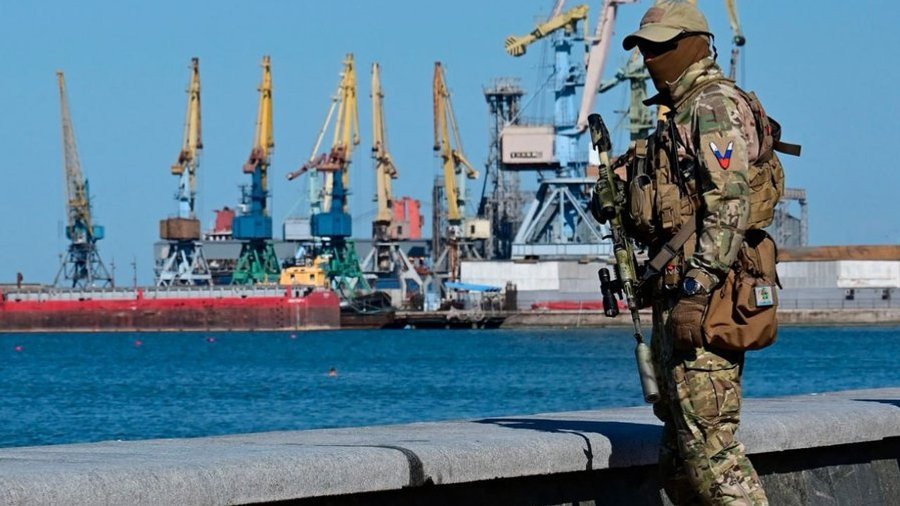
Over the past eighteen months, Russian forces and their proxies have shipped more than 400,000 tonnes of Ukrainian grain and other agricultural products out of the occupied port of Berdiansk—valued at approximately $110 million—using a fleet of at least 20 vessels and falsified export documentation, according to an investigation by KibOrg and NGL.media teams published on July 15.
Since early 2024, dozens of letters obtained by the hacktivist group KibOrg show that a Russian agricultural firm based in occupied Crimea instructed its Berdiansk affiliate to load grain onto ships under the supervision of “Baltic Control Novorossiysk,” a company operating under the logo and name of Denmark’s Baltic Control but legally owned by Russian businessman Alexander Shalimov.
Investigators traced the shipments to Baltic Control, a global inspection firm founded in 1980 and acquired by France’s Apave Group in 2023. Despite listing a Russian office on its website as late as October 2022, the Danish parent company removed any mention of a Russian affiliate only after the full-scale invasion of Ukraine.
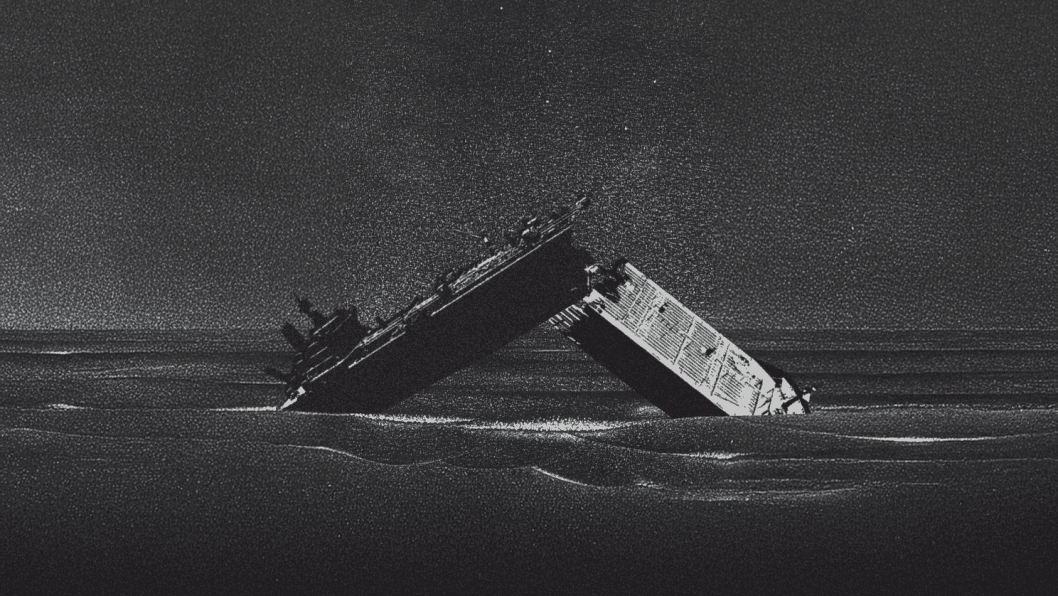
Nonetheless, Baltic Control’s 2021–2022 annual report still listed “Baltic Control Novorossiysk” as a related company, and current Russian corporate records show Russian citizen retaining majority ownership without any formal change after February 2022.
According to internal port documents, grain was certified for “domestic use” in Russia by Baltic Control inspectors who “never asked to see the stowage plan or the loading manifests,” in the words of a former employee speaking on condition of anonymity.
Investigators, acting on information provided to the KibOrg group by SeaKrime, also learned that Russian operators exploit a loophole in port customs procedures to hide the true loading point.
“If a port has no customs checkpoint (as is the case in Berdyansk), the voyage is registered as cabotage and the vessel calls at a port with full services,” explained Kateryna Yaresko of SeaKrime.
“The Russians issue documents indicating that the port of loading is Temryuk or Kavkaz. In this way, the fact that the grain was actually loaded in Berdyansk is concealed,” she stated.
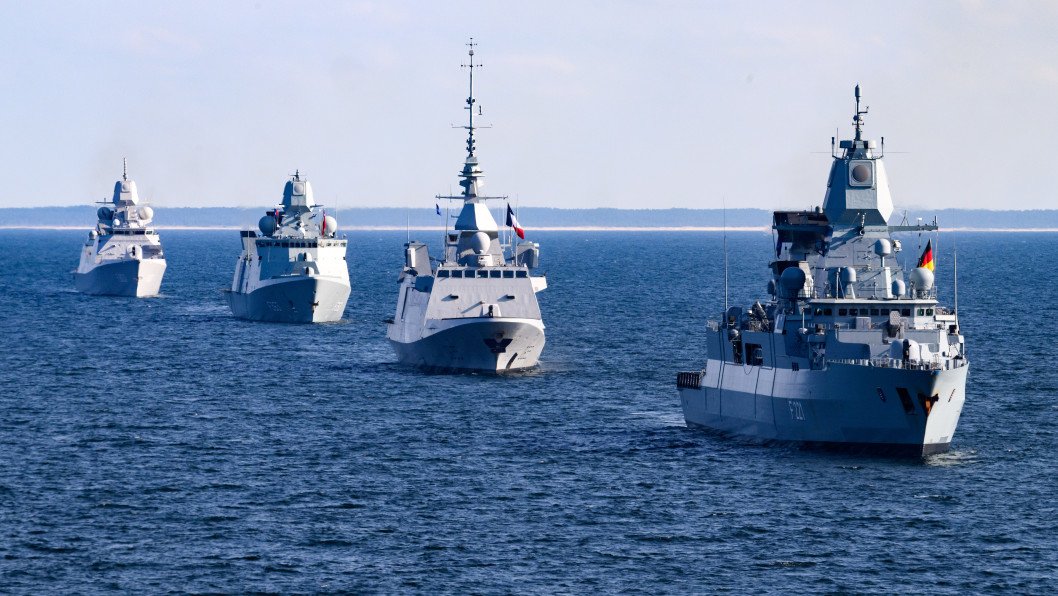
Once rubber-stamped, the vessels sailed to transfer points in the Kerch Strait before exporting to destinations including Turkey, Bangladesh and others flagged by Ukrainian military intelligence as recipients of looted Ukrainian grain.
Commercial data shows key buyers of Russian wheat in recent months include Egypt, Turkey and Bangladesh, underscoring how these illicit shipments have blended into global markets.
Satellite imagery from April 27, 2024, commissioned by Defense Intelligence of Ukraine, shows one of the implicated vessels—the Leonid Pestrikov—being loaded with grain at Berdiansk under the watch of Baltic Control Novorossiysk.
“According to President Volodymyr Zelenskyy, Denmark is one of the leaders in supporting our state. However, private entities continue cooperating with the aggressor state, violating Ukrainian legislation and international law,” said Kateryna Rashevska, a lawyer at the Regional Human Rights Center, in a statement provided to KibOrg.
“The policy of non-recognition, which all states are obliged to follow in the context of aggression against another state, specifically requires informing one’s own citizens of the ban on cooperating with the occupying state in occupied territories. Private entities also have a responsibility to avoid harm and not participate in activities that support occupation and/or human rights violations,” she added.
Earlier, a Dryad Global analysis found Russia’s shadow tanker fleet has more than tripled since early 2022, swelling from under 100 to between 300 and 600 vessels by early 2025 as Moscow employs disabling identifications systems, flag changes and opaque ownership to evade Western sanctions and move oil untracked.
Discuss this article:


-c439b7bd9030ecf9d5a4287dc361ba31.jpg "Photo of Katherina Popilnichenko")