- Category
- Latest news
President Sandu Finalizes Moldova Exit From Post-Soviet Bloc
 Prefer U24 Media on Google
- Authors

-c439b7bd9030ecf9d5a4287dc361ba31.jpg "Photo of Katherina Popilnichenko")
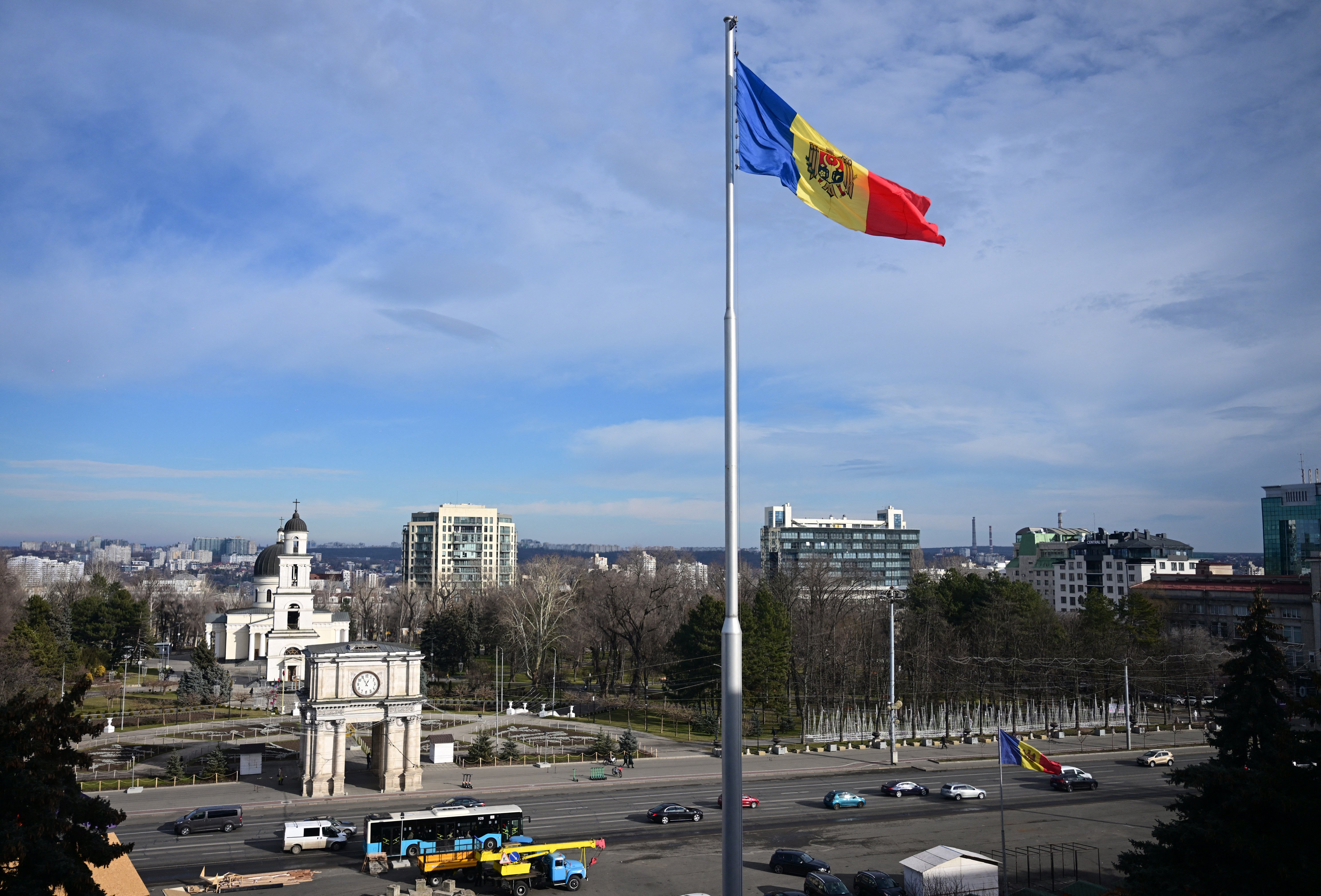
President Maia Sandu has signed decrees officially withdrawing Moldova from the Commonwealth of Independent States (CIS), according to NewsMaker on April 8.
We bring you stories from the ground. Your support keeps our team in the field.
The signed decrees involve the termination of the Agreement on the Establishment of the CIS, its accompanying protocol, and the Charter of the Commonwealth.
The Moldovan government began the legal process of leaving the CIS in January 2026. On April 2, the Moldovan parliament finalized the termination of the founding agreement and all related documents and statutes.
Supporters of the initiative stated that leaving the organization will save Moldova approximately $168K every year. In total, Moldova has already ended around 70 different agreements with the organization.
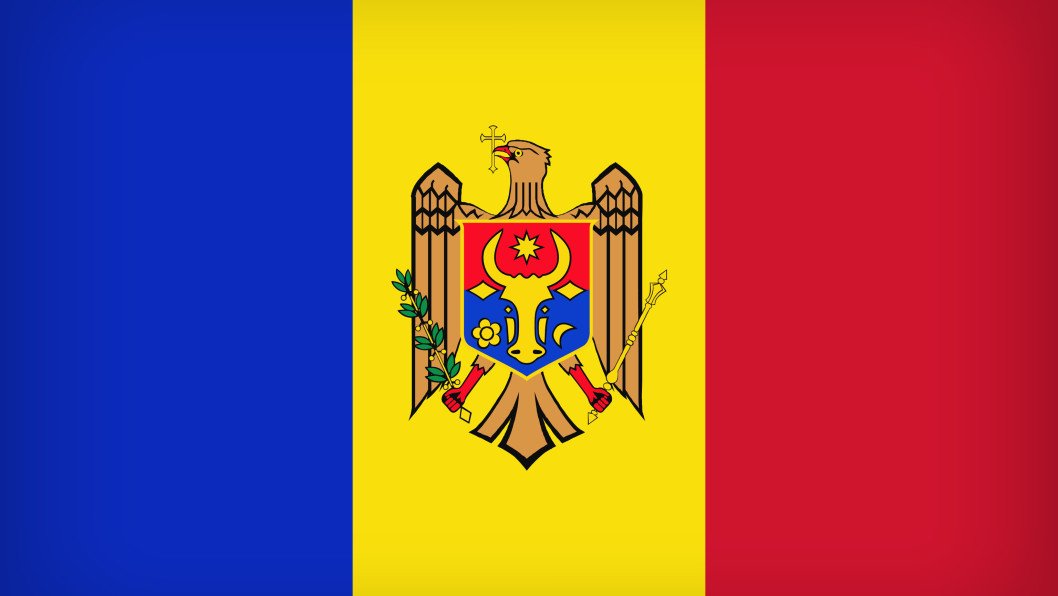
The Commonwealth of Independent States (CIS) is a regional intergovernmental organization formed in 1991 following the dissolution of the Soviet Union. It was originally established to maintain economic, political, and security ties among former Soviet republics.
While it was intended to facilitate a "civilized divorce" between the newly independent states, critics have long viewed the organization as a tool for Russia to maintain influence over its neighbors.
Moldova’s decision to exit the CIS is a strategic move to sever its final formal ties with the Russian-led bloc. The process accelerated significantly following Russia’s full-scale invasion of Ukraine, which Moldovan leadership viewed as a fundamental violation of international law and regional security.
By leaving the organization, Moldova is aiming to solidify its path toward European Union membership and align its legal and economic systems with Western standards. Additionally, officials noted that membership had become a financial burden, providing little practical benefit while requiring annual fees.
Earlier, Moldova dismantled a cross-border network that had trained individuals in secret camps in Bosnia and Serbia for Russia-backed destabilization operations targeting France and Germany.
According to reports from April 2026, participants were trained to operate drones, handle incendiary devices, and evade law enforcement during protests. Investigators suggested that the country served as a testing ground for tactics intended for broader use across Europe.
At the same time, Moldova offered to share its expertise in countering Russian disinformation and illicit finance with other European nations.
Discuss this article:




-72b63a4e0c8c475ad81fe3eed3f63729.jpeg "Photo of Cyril Barabaltchouk")
-111f0e5095e02c02446ffed57bfb0ab1.jpeg "Photo of Roman Kohanets")