- Category
- Latest news
Romanian Pro-Russia Vloggers Praised Moscow—Until the FSB Came for Them
 Prefer U24 Media on Google
- Authors

-111f0e5095e02c02446ffed57bfb0ab1.jpeg "Photo of Roman Kohanets")
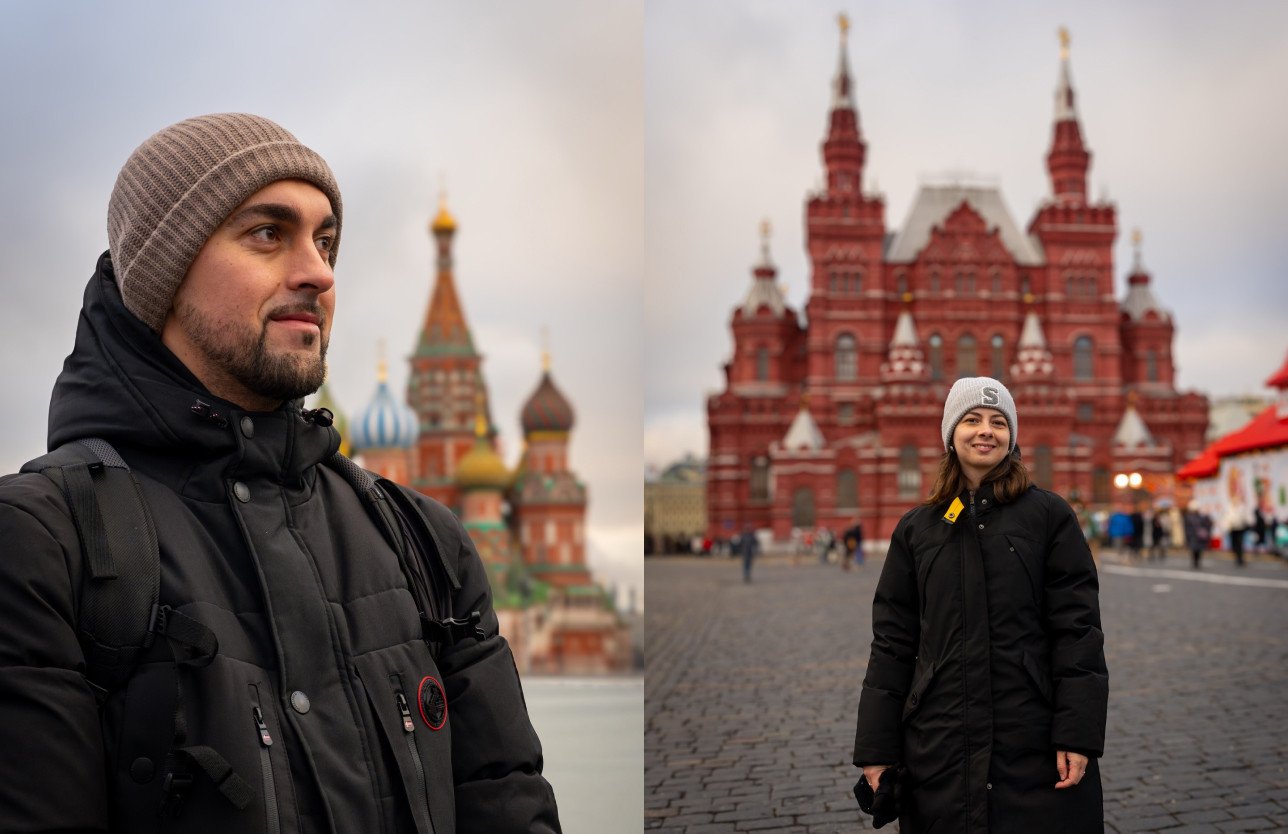
Two Romanian travel vloggers published dozens of hours of videos praising life in Russia during a month-long trip before later saying they were detained by the FSB, stripped to their underwear, and expelled from the country, according to Digi24 on February 13.
Digi24 identified the pair as Cristi and Denisa and said they spent more than 30 days filming in Russia, repeatedly highlighting what they described as clean streets and low prices and posting videos with titles such as “This is the RUSSIA that TV doesn’t want you to see! Clean streets and low prices” and “We reached the real Russia, not what you are shown on TV.”
We bring you stories from the ground. Your support keeps our team in the field.
In footage reviewed by Digi24, the pair also visited a Romanian family living in Ulyanovsk and echoed disparaging comments about foreign media.
Digi24 quoted one host as saying “It’s a complete lie” when asked whether life in Russia matched how it was portrayed on Romanian television, and the video included the phrase “There is freedom here,” according to the outlet.
-75927b6cdbd6a2bae75db91d57457680.jpg)
Libertatea reported separately that the two were stopped and questioned by Russia’s Federal Security Service at an airport in Vladivostok on a later visit and were given a 50-year entry ban, while Digi24 said the pair said they were detained, forced to undress to their underwear, and then expelled.
The case has drawn attention as Russia tightens state control over digital communications while promoting state-backed alternatives, moving to fully block Meta’s WhatsApp and encourage users to switch to a state-supported messenger.

The Digi24 report said the pair relied on phones and filming equipment to produce long-form travel videos and publish them on foreign social platforms that are restricted in Russia, underscoring the gap between what visitors can record and what Russian users can access without workarounds.
Russia, meanwhile, sought to steer travel flows toward domestic destinations through state-backed tourism promotion, including a “Discover Russia” branding push highlighted by the organizers of the country’s “Let’s Travel!” tourism forum, as Moscow works to grow internal tourism.
Earlier, it was reported that Russian authorities escalated internet censorship by removing YouTube and WhatsApp from the country’s National Domain Name System as part of a tightening “sovereign internet” approach.
Discuss this article:

-c439b7bd9030ecf9d5a4287dc361ba31.jpg "Photo of Katherina Popilnichenko")