- Category
- Latest news
Russia Allegedly Paid Moldovan Priests to Launch Telegram Campaign Against EU, Says Reuters
 Prefer U24 Media on Google
- Authors

-111f0e5095e02c02446ffed57bfb0ab1.jpeg "Photo of Roman Kohanets")
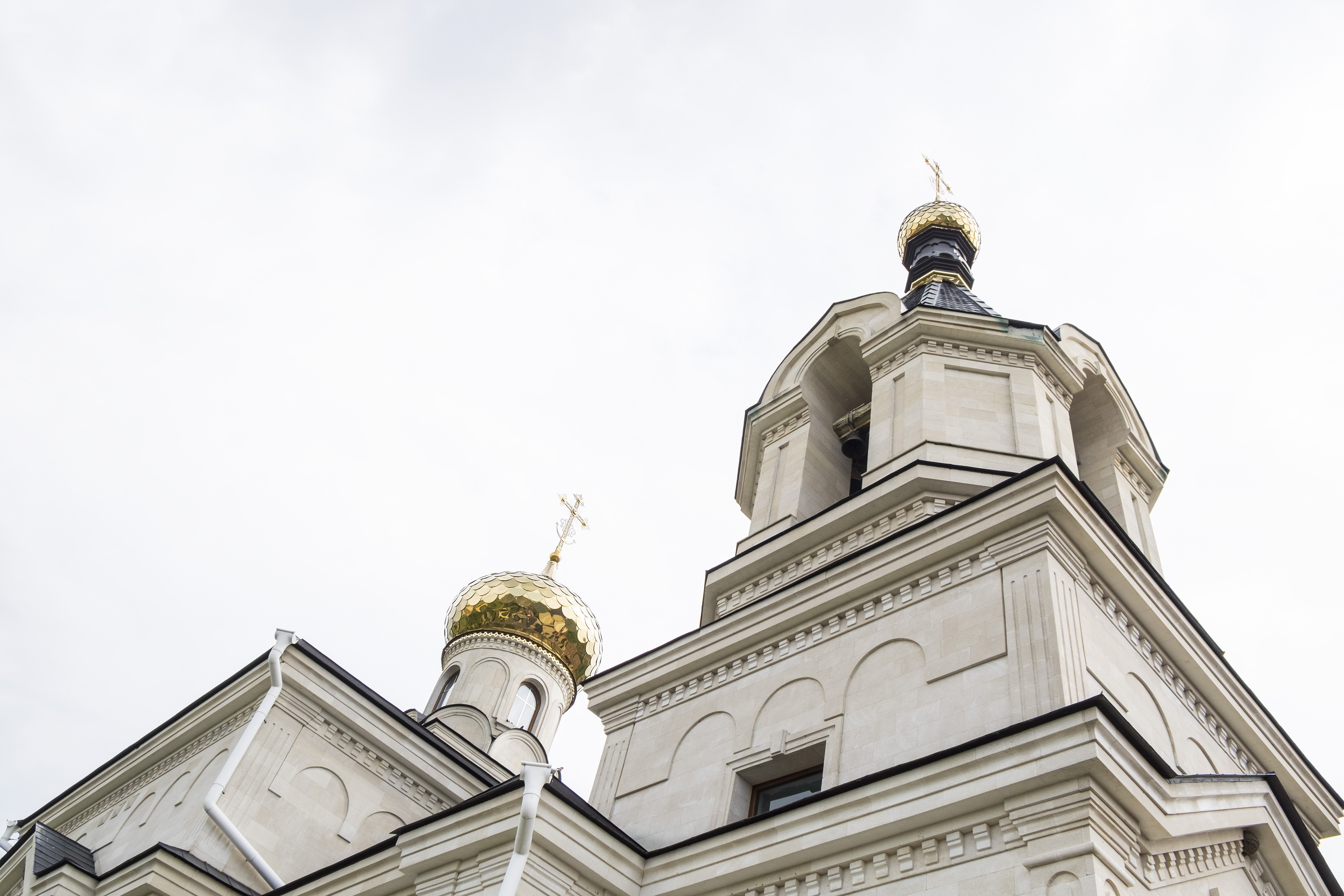
Russia financed pilgrimages for Moldovan Orthodox priests and provided them with debit cards later loaded with cash in exchange for campaigning against closer ties with the European Union, according to a Reuters investigation published on September 26. Moldovan officials say the effort represents the use of religion itself as a political weapon.
Priests interviewed by Reuters said they joined all-expenses-paid trips to Moscow in 2024, where they received lectures emphasizing unity with Russia and vouchers worth about $120 to spend in church shops.
Father Mihai Bicu, one of the clerics, said that before returning home he and others were handed debit cards from Russian state lender Promsvyazbank, later credited with about $1,200 each. In return, they were instructed to establish parish Telegram channels to discourage voters from supporting Moldova’s pro-Western government.
-01d02dc01535117120d2e1505d298539.png)
Nearly 90 new channels appeared after the pilgrimages, pushing synchronized messages warning that European integration would erode “traditional family values” and threaten religious freedom.
“The most immoral feature of Russian electoral interference in elections in Moldova is the use of the most trusted institution: the Church,” said Stanislav Secrieru, national security adviser to President Maia Sandu.
He accused Moscow of “recruiting and training priests during so-called pilgrimages in order to turn religion into a weapon.”
Archbishop Marchel, a leading voice in Moldova’s church, rejected accusations of foreign interference, describing the trips as pilgrimages and the bank cards as a means to buy religious items.
However, he also reiterated his opposition to European integration, stating: “It’s the worst sin. To cultural, Christian Europe, I say yes. To gay Europe, I say no.”

The allegations come ahead of Moldova’s parliamentary elections this weekend, where President Sandu’s party faces the risk of losing its majority amid sustained claims of Russian-backed disinformation and influence campaigns.
Earlier, it was reported that a Russian disinformation network called “Matryoshka” launched a large-scale fake-news campaign against Moldova on social media, pushing narratives against President Maia Sandu and falsely alleging plans to take over the Orthodox Church.
Discuss this article:


-c439b7bd9030ecf9d5a4287dc361ba31.jpg "Photo of Katherina Popilnichenko")