- Category
- Latest news
Russia Complains German AI-Powered HX-2 Drones Are Now Hunting Targets Deep Behind the Frontline
 Prefer U24 Media on Google
- Authors


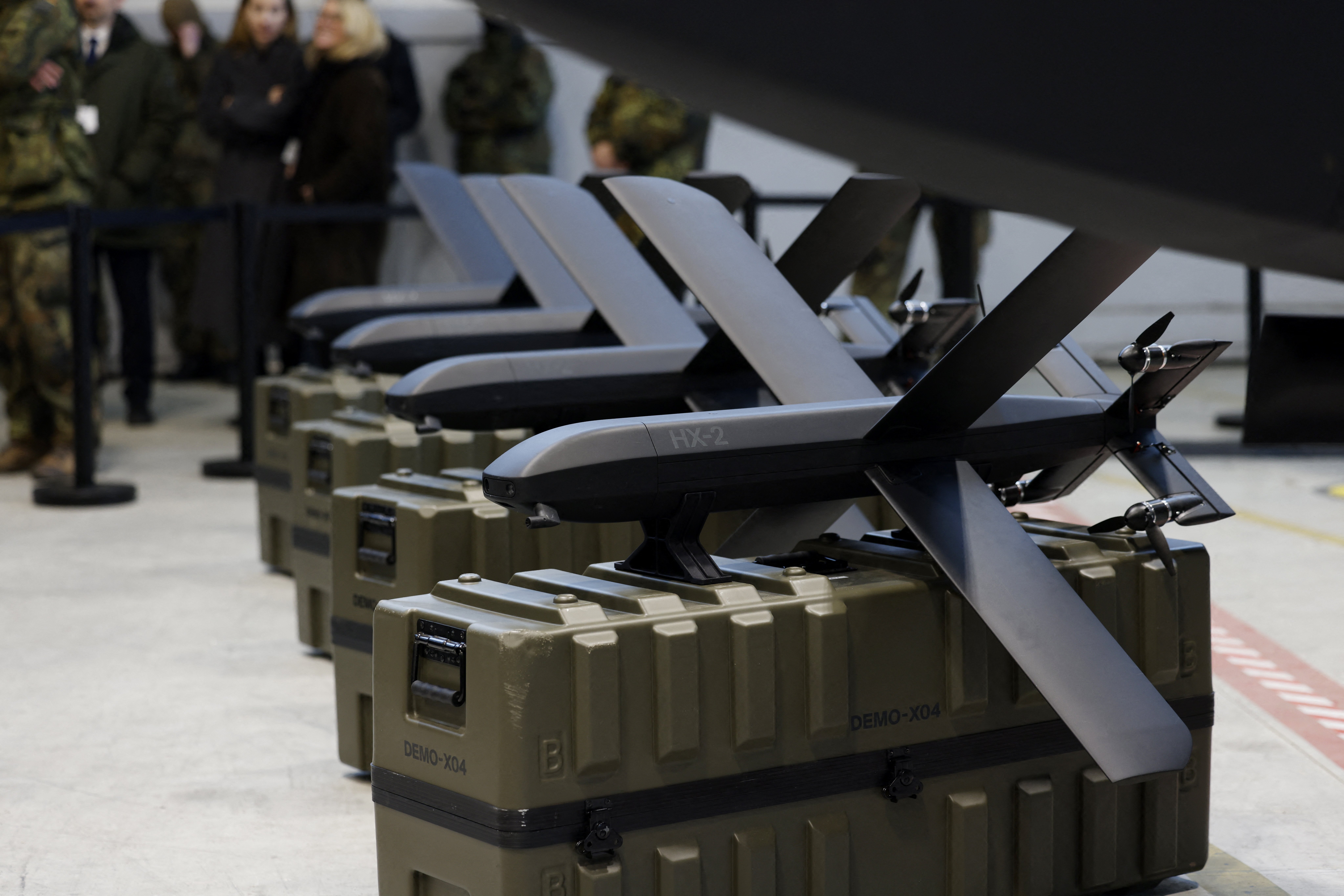
Russian forces are reportedly coming under attack from HX-2 strike drones developed by defense technology company Helsing, marking what appears to be the combat debut of the new AI-enabled loitering munition on several sectors of the front.
Images showing debris believed to belong to the drone were published by the Russian Telegram channel “Razrabotchik BPLA,” according to Ukrainian defense media outlet Militarnyi on March 2.
We bring you stories from the ground. Your support keeps our team in the field.
Russian sources claim the HX-2 is being used to strike targets located behind frontline positions rather than directly on the battlefield.
“They are hitting repair crews and road network installation teams in the relative rear,” Russian forces said, describing the attacks.
Plans to supply the HX-2 to Ukraine first became public in 2025, when Helsing announced it would manufacture 6,000 strike drones for Ukrainian forces as part of a large-scale effort to expand autonomous battlefield capabilities.
Over the past few months Helsing’s next-generation loitering munition HX-2, has been tested by soldiers across four different countries in military-led field tests. The strike drone is autonomous with a human on the loop, and compatible with different warheads. pic.twitter.com/u9PtvuH85R
— Helsing (@HelsingAI) November 10, 2025
The HX-2, unveiled in late 2024, features a distinctive X-shaped wing and tail configuration designed to improve stability and maneuverability during high-speed terminal attacks. The drone is intended to engage armored vehicles, artillery systems, engineering infrastructure, and other military targets.
Weighing approximately 12 kilograms, the drone is powered by four electric motors mounted in the rear section and can reach speeds of up to 220 kilometers per hour. Helsing states the loitering munition has an operational range of up to 100 kilometers, suggesting it carries a warhead weighing several kilograms.
According to the developer, the HX-2 incorporates artificial intelligence technologies that allow it to maintain a high degree of autonomy even in environments heavily affected by electronic warfare systems. This capability is intended to improve strike reliability against targets protected by jamming or signal disruption.
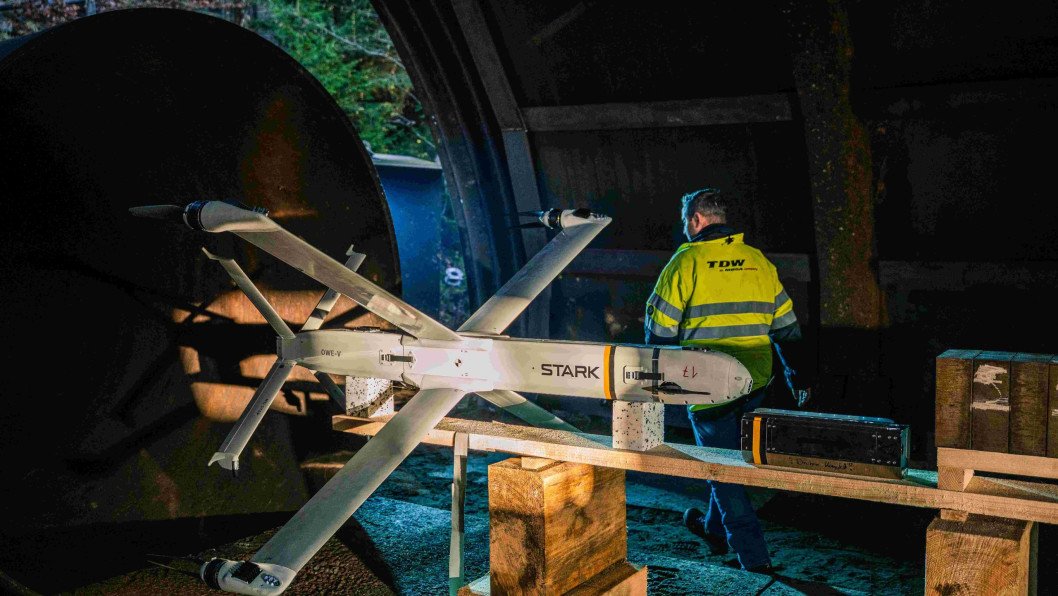
Another key feature is swarm capability, enabling multiple HX-2 drones to coordinate attacks as a group while executing a shared combat mission.
Earlier, reports emerged that Ukraine halted new purchases of HX-2 strike drones developed by German defense startup Helsing following operational setbacks observed during battlefield deployments.
Discuss this article:
-9bd5e1532102621f8fb1c4ba871a3171.png)


-c439b7bd9030ecf9d5a4287dc361ba31.jpg "Photo of Katherina Popilnichenko")


-72b63a4e0c8c475ad81fe3eed3f63729.jpeg "Photo of Cyril Barabaltchouk")

-111f0e5095e02c02446ffed57bfb0ab1.jpeg "Photo of Roman Kohanets")